WASHINGTON / RIYADH — September 21, 2026. President Donald Trump ordered the Pentagon to prepare airstrikes on Yemen’s Houthis after a Thursday call with Saudi Crown Prince Mohammed bin Salman, commanders approved targets and bombs were loaded — then by Sunday he pulled the mission back “for now,” the New York Times reported via Gulf News, as Riyadh confirmed its first ballistic-missile intercept aimed at the capital in this conflict and U.S. officials weighed opening a second front while the Iran war is still unresolved.
The near-strike sequence reveals how thin the margin is between signaling and ignition. Inner-circle scepticism about fighting Houthis while the Iran campaign continues helped brake the loaded aircraft. Trump told Fox News the United States is still communicating with the Houthis and that they had agreed not to fight the U.S., a reference to a 2025 Oman-mediated understanding under which the group largely avoided American ships. That channel apparently mattered more on Sunday than the Thursday impulse to answer Saudi urgency with bombs already hung on wings. The episode also shows how personal leader calls can move targeting cycles faster than formal strategy reviews.
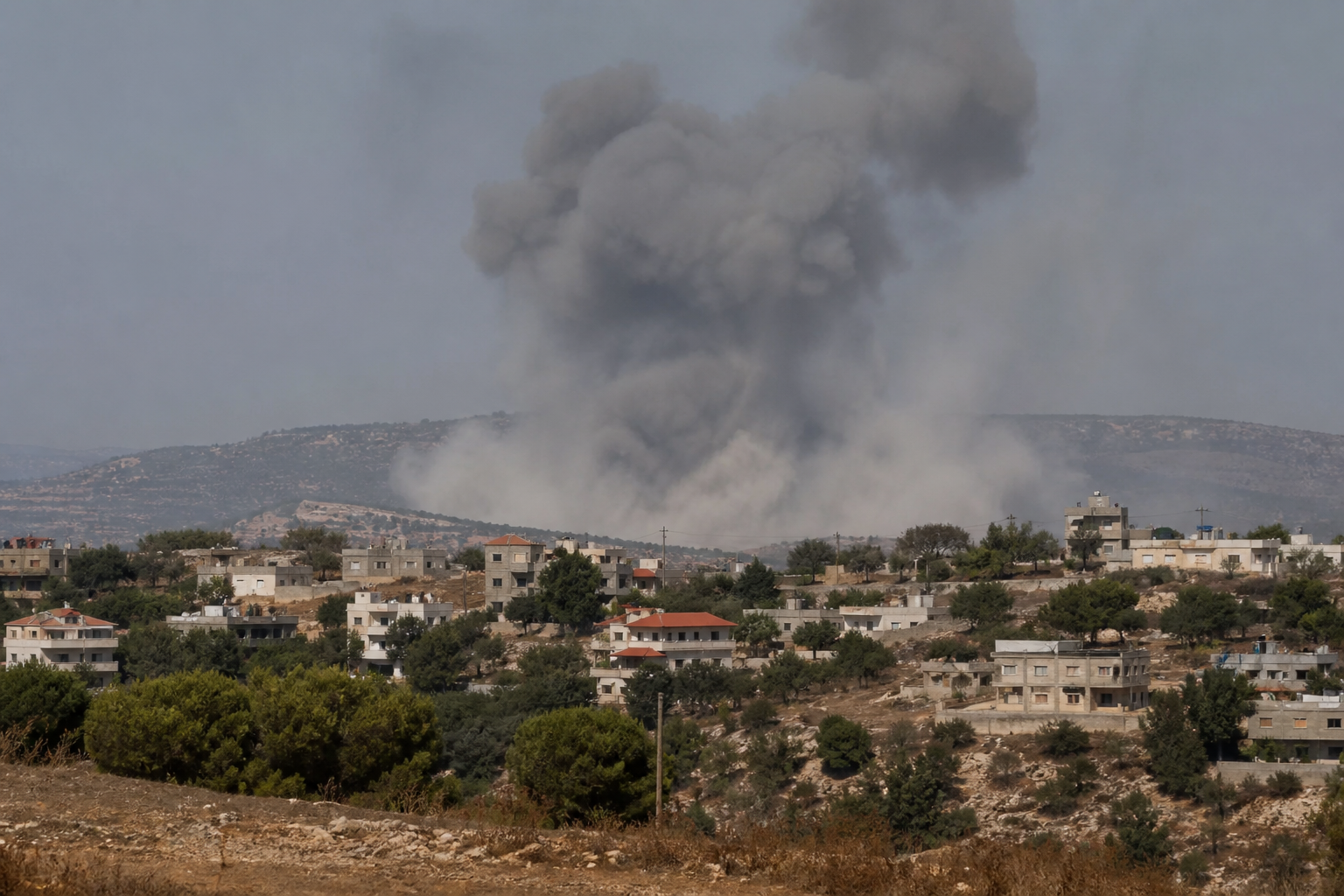
Saudi Arabia’s weekend intercept was not abstract. Coalition statements described a ballistic missile oriented toward Riyadh, with smoke reported near the King Khalid International Airport fuel depot area; the Houthis claimed strikes on sensitive sites and Aramco-related targets, while the coalition said that particular missile caused no casualties. Houthis also fired toward Yanbu, extending pressure along the Red Sea coast they still dominate, including islands that watch Bab el-Mandeb. For a kingdom already low on interceptors and seeking help from France, the United Kingdom, Pakistan and Egypt, according to Associated Press reporting, a capital-directed ballistic shot is a stockpile emergency as much as a prestige insult.
The dual-chokepoint problem is now explicit. Hormuz commodity traffic remains a fraction of pre-war norms under the Iran war; Bab el-Mandeb and the Red Sea remain under Houthi coastal and island control. A U.S. president fighting Iran while pausing Houthi strikes is choosing sequence, not peace. The prior U.S. campaign in 2025 hit roughly eight hundred to more than one thousand targets before a May halt; restarting that tempo now would reopen magazine, basing and escalation questions Trump’s advisers clearly do not want stacked atop Hormuz contingencies. Halting “for now” keeps the option alive without paying the second-front cost this week.
Markets and Gulf capitals will read the U-turn as conditional. If Houthi missiles keep testing Riyadh and Yanbu, the loaded-bomb precedent makes another Trump order easier to imagine. If Oman’s channel and the non-fight understanding hold, Washington can claim communication worked better than munitions. Neither outcome removes Saudi interceptor scarcity or the reality that two chokepoints can squeeze energy and shipping together. Iran’s shadow sits over both: Houthi pressure serves Tehran’s wider disruption toolkit even when U.S. bombs stay on the rack.
What the Sunday pullback measures is bandwidth politics. Bombs loaded then stood down show how fast MBS urgency can move the Pentagon and how fast Iran-war caution can reverse it. Riyadh’s first capital ballistic intercept of this round shows why the urgency was real. Until interceptor stocks recover, Hormuz traffic normalizes or the Oman channel produces durable Houthi restraint, Trump’s “for now” will remain the operative phrase — a pause measured in news cycles, not a settlement measured in safe skies over the airport fuel farm.