Iran Says It Can Reopen Hormuz in Seven Days if U.S. Eases Pressure
A senior Iranian official told Reuters Tehran can reopen Hormuz within seven days if the U.S. lifts its blockade, and Pezeshkian will not meet Trump.
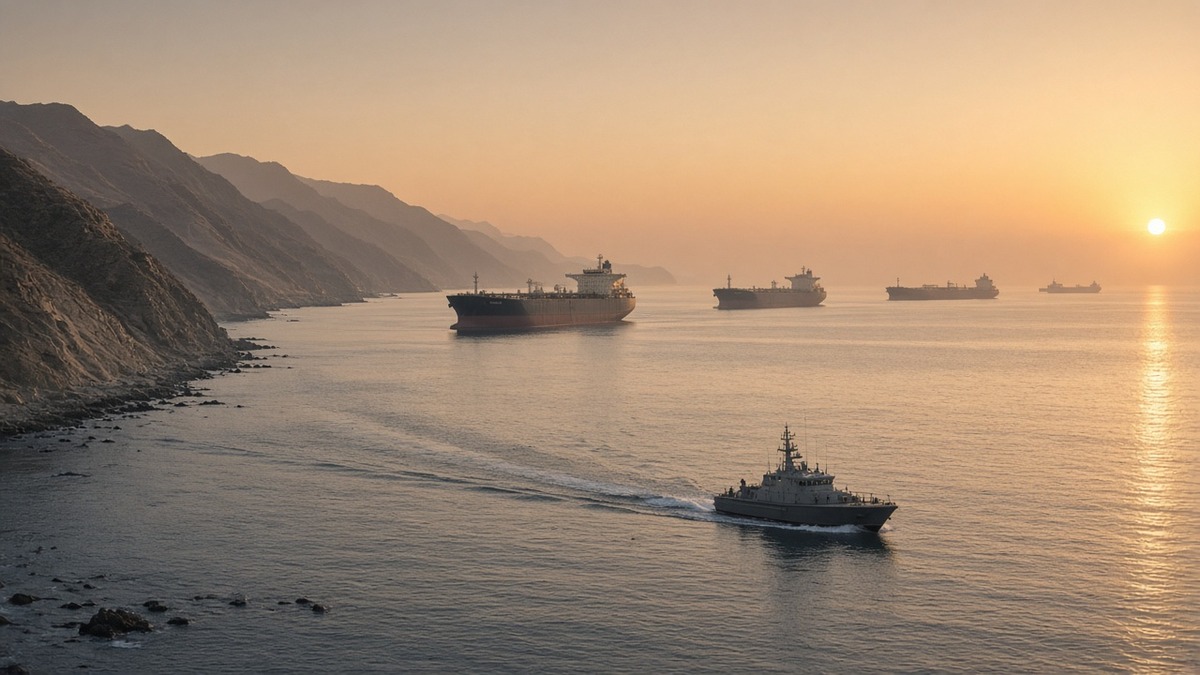
TEHRAN / NEW YORK — September 22, 2026. A senior Iranian official told Reuters that Tehran can reopen the Strait of Hormuz within seven days if the United States eases military pressure and lifts its blockade on Iranian ports — and that President Masoud Pezeshkian will not meet President Donald Trump at the United Nations General Assembly, a sharp update from yesterday’s framing that Trump was open to a leaders’ encounter as Iran’s delegation left for New York.
Speaking on condition of anonymity, the official said Washington must announce diplomatic intent officially and agree a timeline before any Hormuz reopening. The proposal, according to the same account, was delivered to the United States through mediators on September 16. Iran’s UNGA delegation in New York was described as holding full authority to negotiate via those channels. Pezeshkian left Tehran for New York on Tuesday morning, keeping civilian leadership visible at the General Assembly even as the bilateral meeting track was closed from Tehran’s side.
The seven-day reopen offer is leverage dressed as a schedule. Hormuz remains the central economic instrument of a war that began in late February after U.S.-Israeli strikes; commodity crossings have run far below pre-war norms for months, and Iranian hard-liners have framed closure as unfinished business until American commitments appear. Tying reopening to eased military pressure and a lifted port blockade converts a chokepoint into a sequenced bargain: announce intent, set dates, then restore traffic. Markets will price the Reuters leak as optionality, not as a done deal, until an official U.S. statement matches the mediators’ channel.
Monday’s diplomatic temperature had been warmer. Trump told Fox News he would “probably be open” to seeing Pezeshkian; Iranian conditions circulated through Qatar and Turkey mediation, and visas for Pezeshkian and Foreign Minister Abbas Araghchi cleared a procedural hurdle. Tuesday’s Reuters readout flips that script on the meeting while leaving the Hormuz timeline alive. The distinction matters: Tehran is saying it will talk through mediators and an empowered UNGA team, but not put Pezeshkian across a table from Trump under current pressure. That is a rejection of optics, not necessarily of bargaining substance.
Military Warnings Shadow Tehran’s Offer
Context from Sunday still hangs over the offer. Iran’s Khatam al-Anbiya Central Headquarters warned that its intelligence picture showed the United States preparing to resume strikes, promising retaliation against U.S. bases and regional “helpers.” Trump, in the same news cycle, stayed in “deciding mode” on force, economic pressure or a deal, including wipe-out vocabulary that Gulf capitals and energy traders both register. A seven-day Hormuz reopen conditioned on eased military pressure is therefore also an attempt to raise the cost of any second U.S. wave before UNGA speeches harden into orders.
The military balance around the Gulf still shapes every diplomatic sentence. U.S. and partner naval presence, Iranian coastal missiles and the unfinished fight over port access mean a seven-day reopen clock is only as real as escort rules and insurance markets allow. If Washington announces intent without easing the force posture Tehran calls “military pressure,” the clock will not start. If Tehran pockets an announcement and keeps selective interference, traders will treat the Reuters leak as another false dawn. UNGA week is useful theater for both tests; it is not a substitute for written timelines and verified traffic.
What Tuesday’s Reuters leak measures is a compressed choice for Washington. Accept a public diplomatic announcement and timeline, and Tehran claims it can restore Hormuz traffic inside a week while Pezeshkian speaks without a Trump bilateral. Refuse, and the strait stays a pressure instrument beside Khatam headquarters warnings and blocked ports. Gulf mediators, tanker insurers and Asian refiners will watch for an official U.S. intent statement rather than another anonymous channel. Until that statement appears — or until strikes resume — Hormuz will trade on seven-day promises, no-meeting clarity and the same unfinished war that made the chokepoint a bargaining chip in the first place.
Sources
- Reuters: Iran ready to reopen Strait of Hormuz if US eases military pressure and lifts blockade
- Al-Monitor: Iran ready to reopen Strait of Hormuz if US eases military pressure and lifts blockade
- Türkiye Today: Iran offers to reopen Hormuz within days if US eases pressure



2 Comments