Iran top negotiator Mohammad Baqer Qalibaf warned that the era of proportionate responses is over, telling state media that any further U.S. attacks on Iranian interests will draw faster, more intense, and more painful retaliation after a weekend exchange that put oil tankers and warships back at the center of the conflict.
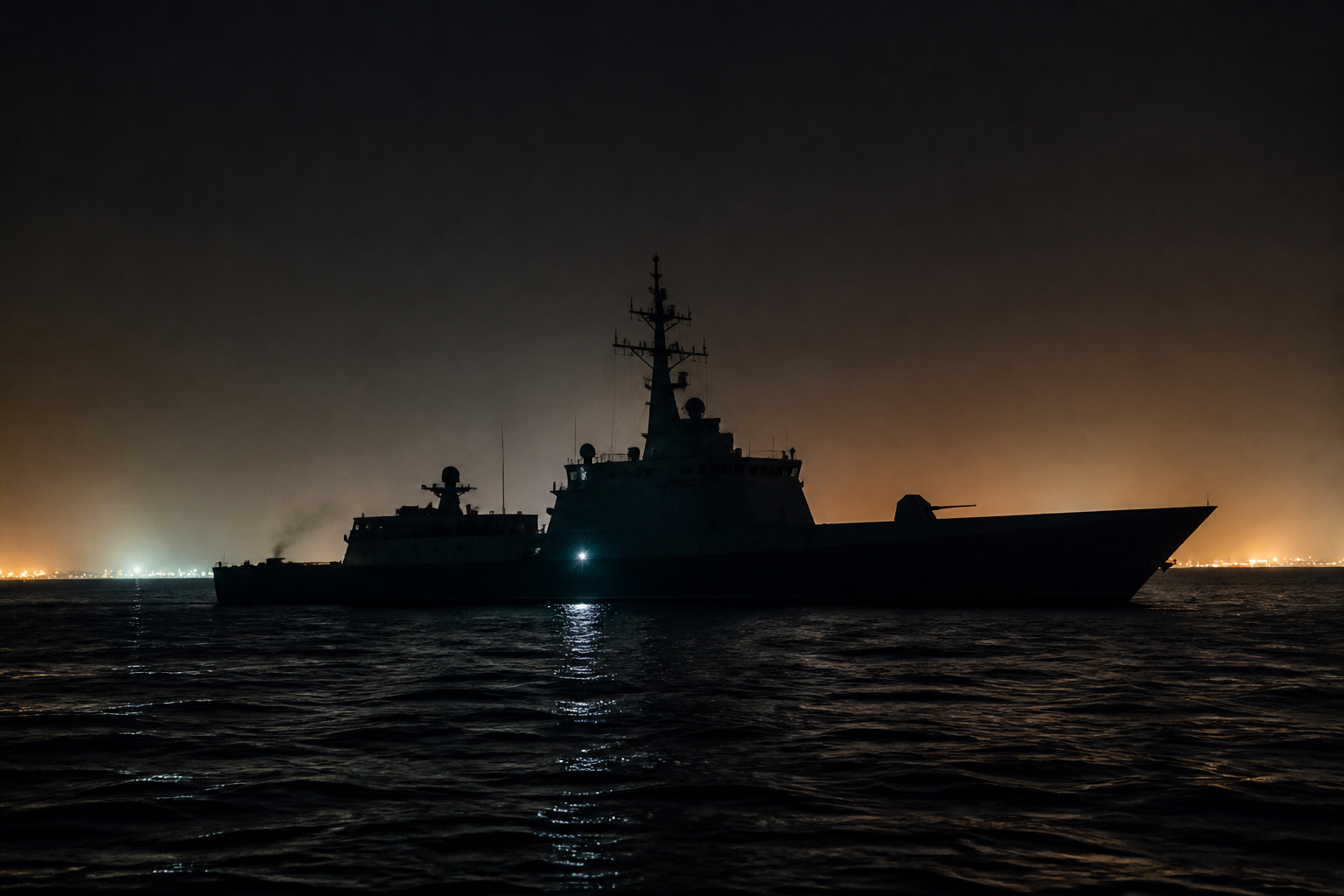
Qalibaf remarks, summarized by ABC Australia and other wires on September 7, came after U.S. Central Command described strikes that disabled two Iranian oil tankers off Kharg Island and destroyed an unladen Iranian crude tanker in the Sea of Oman. CENTCOM said the action followed Iranian ballistic missile attacks on two U.S. Navy ships.
The IRGC Navy said it had targeted three oil tankers on unauthorized Hormuz routes and three additional U.S.-affiliated vessels. A CENTCOM spokesperson called an Iranian claim of hitting a U.S. naval drone a total lie. President Donald Trump had described the conflict as small potatoes on Friday.
Qalibaf language lowers the rhetorical threshold for the next round. If Tehran abandons measured tit-for-tat, a U.S. strike on shipping can be answered with a broader menu. For insurers and Gulf hosts of U.S. forces, the weekend targets were Iranian hulls, but the geography still overlaps civilian energy routes. The immediate watchpoints are whether Iran follows the warning with a demonstrative strike.