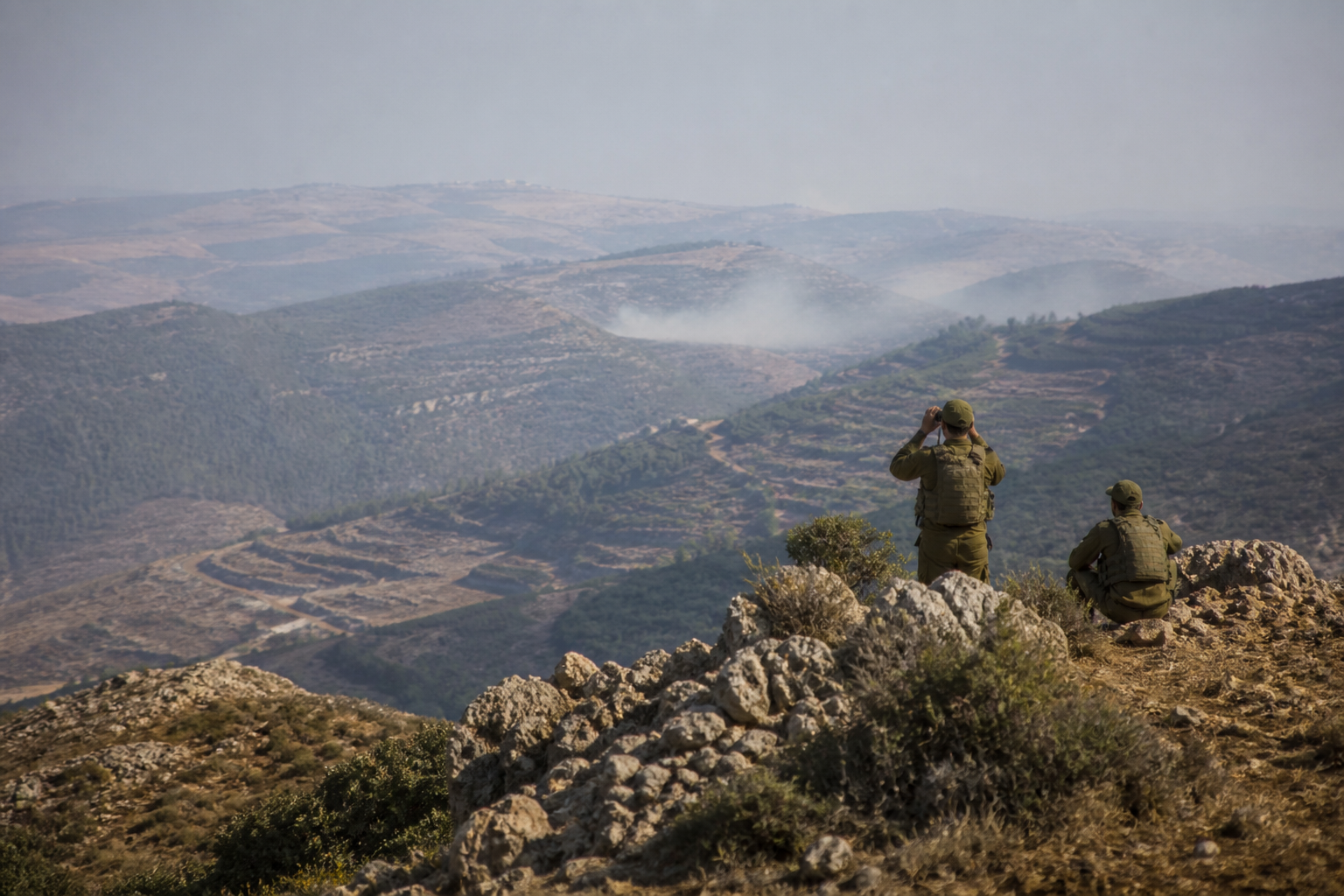
Israeli Defense Minister Israel Katz said on Friday, September 4, 2026, that the capture of the Ali Tahar ridge completes a phase of securing Israel’s declared “security zone” in southern Lebanon and vowed that Israeli forces would not leave until Hezbollah is disarmed and threats to Galilee communities are removed.
In a statement summarized by international wires, Katz said Hezbollah had used the highland to fire on Israeli targets and had built an extensive tunnel network housing command infrastructure there. The Israeli military, he said, would finish neutralizing those tunnels and hold the ridge to prevent the group from re-establishing itself. Katz added that he and Prime Minister Benjamin Netanyahu — who faces elections on October 27 — would pursue a “clear and uncompromising line” on Lebanon.
The announcement lands inside a wider regional war map. Israel has spent months calibrating how far to go against Iran-backed networks while the United States fights a parallel campaign against Tehran and while Gaza and northern-border politics remain live domestic issues. Holding ground in southern Lebanon is a different strategy from episodic strikes: it is occupation logic, with the attendant costs in casualties, international legitimacy, and Lebanese state collapse risk.
Hezbollah’s remaining capacity is the unanswered variable. Israeli officials frame Ali Tahar as proof that the group’s highland architecture can be dismantled. Critics will ask whether every seized ridge simply relocates the next firing position northward and whether a permanent security zone becomes a long-term deployment Israel cannot politically unwind before elections. Katz’s linkage of the ridge to Galilee security is meant to close that argument at home.
Lebanon policy is now inseparable from Iran policy. As Tehran absorbs U.S. economic warfare and intermittent kinetic exchanges, its Lebanese proxy becomes both a pressure valve and a liability. Israel’s bet is that territorial control and tunnel destruction can produce a quieter northern border even if Iran remains unbowed. The next weeks will show whether Ali Tahar is an endpoint or merely another highland in an unfinished northern campaign.