September 6, 2026. Iran’s Islamic Revolutionary Guard Corps Navy says it attacked an American unmanned surface vessel attempting to enter the Strait of Hormuz and targeted tankers using what it called an unauthorized route. The claims followed U.S. strikes on three Iran-linked oil carriers and represent Tehran’s effort to restore deterrence without immediately acknowledging the damage from the earlier exchange. The United States had not publicly confirmed the alleged hit on the unmanned vessel at the time of reporting.
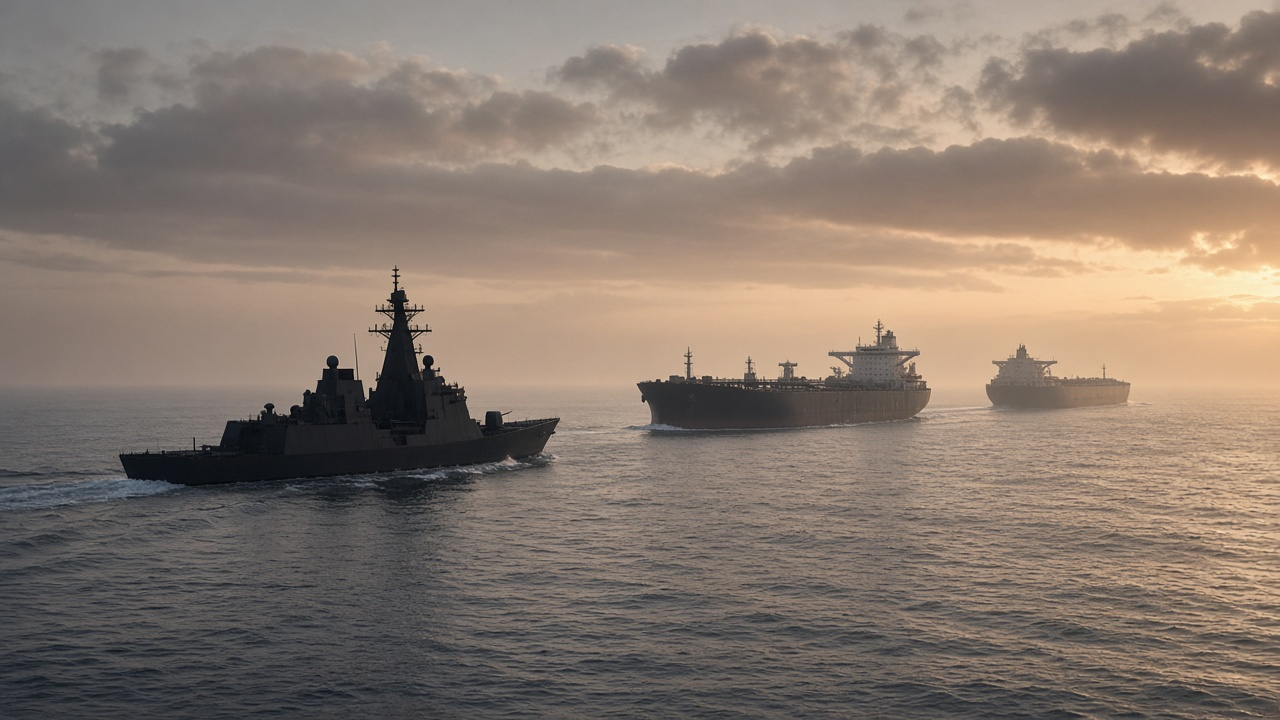
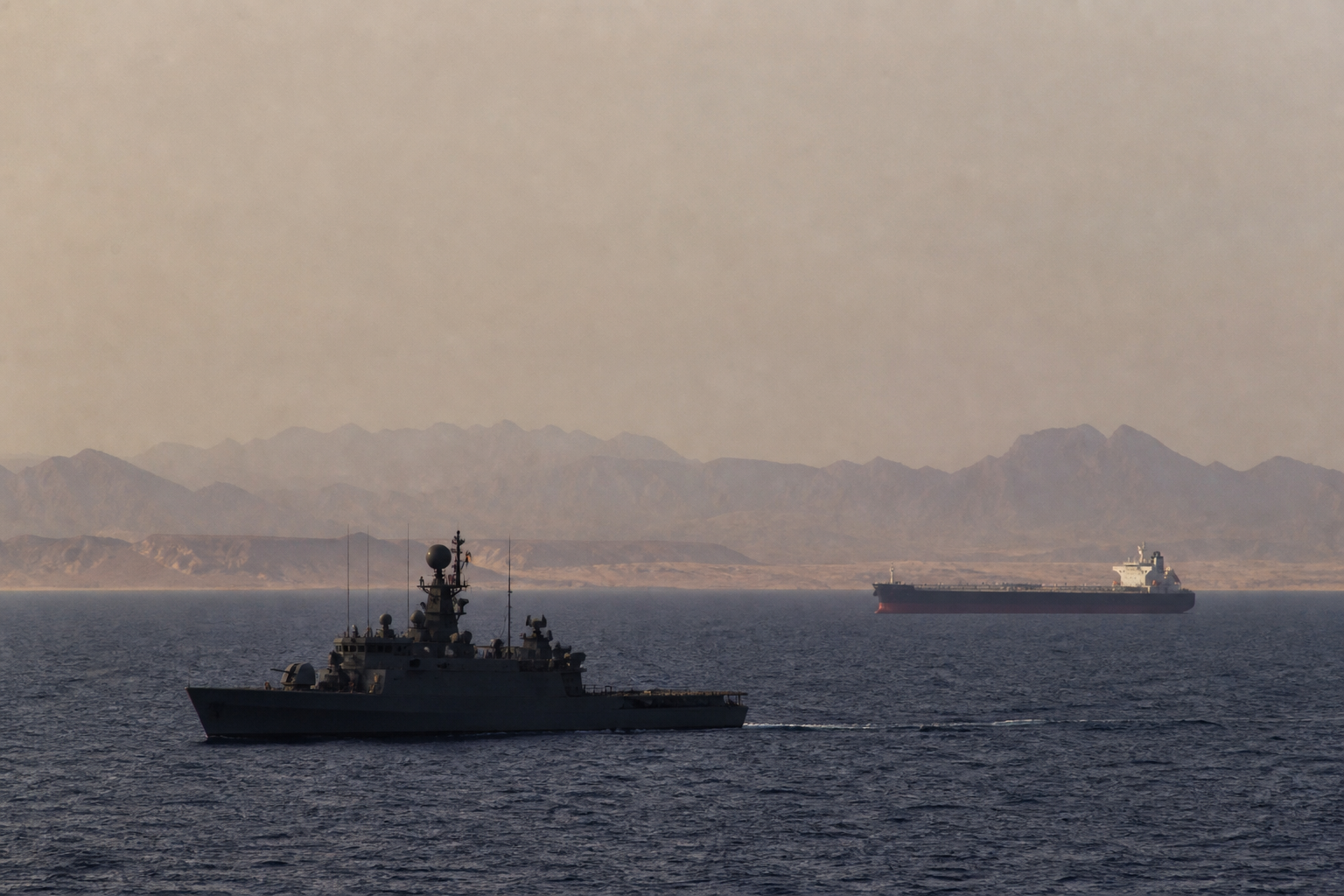
In a statement carried by Iranian state media, the IRGC said its forces targeted three oil tankers in the strait and three U.S.-linked vessels elsewhere. It did not provide details sufficient to independently verify whether the ships were struck, damaged or merely threatened. The wording matters: maritime warnings can be used to create a de facto exclusion zone even when no ship is sunk. For owners and insurers, uncertainty itself is a cost, especially when Iran says commercial traffic must use routes it approves.
The escalation began with competing accounts of the weekend’s first exchange. CENTCOM said Iranian ballistic missiles were fired toward an American carrier and destroyer, both of which evaded the attack. Iran claimed the U.S. warships were damaged and forced to retreat. Washington then disabled Downy and Stark 1 near Iranian waters and destroyed the unladen Kylo in the Gulf of Oman. Tehran’s new claims are calibrated to answer that strike while keeping the focus on navigational control rather than a direct attack on another manned U.S. warship.
That calibration may not hold. Unmanned vessels are useful precisely because they can probe a threat environment without putting sailors in the first line of danger, but they also lower the political threshold for contact. A drone hit, warning shot or collision can trigger a response before commanders agree on what happened. The same is true of tankers: a boarding attempt, mine scare or missile near-miss could transform a coercive maritime campaign into a fight over the safety of global commerce.
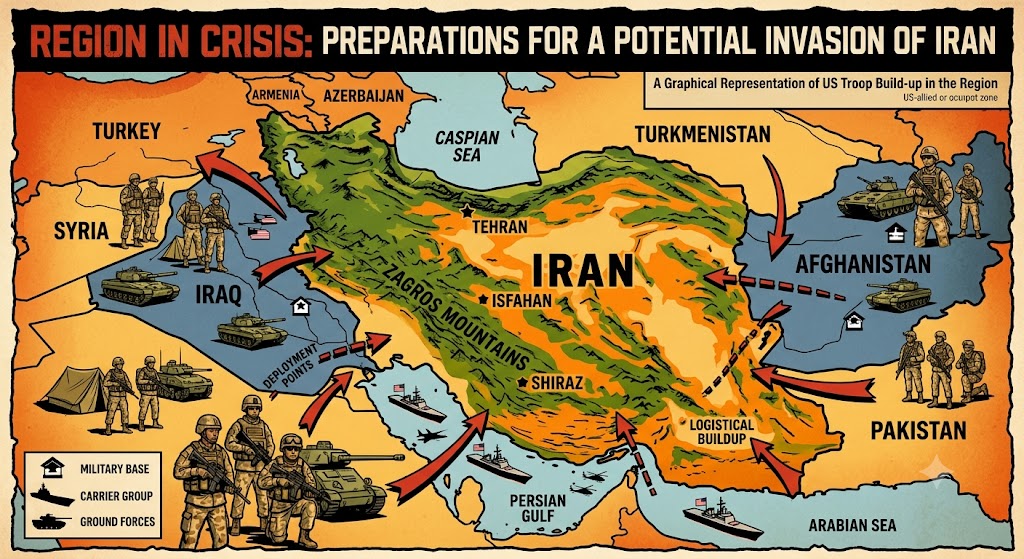
The immediate objective for both sides is to define rules without conceding them. Iran wants to show that Hormuz cannot be policed by the United States alone. Washington wants to keep a military presence and prevent the strait from becoming an Iranian-controlled toll gate. Unless a channel establishes predictable warnings and protected transit, every vessel becomes a moving test of credibility. The danger is not just that one side intends a wider war; it is that the waterway can manufacture one through miscalculation.