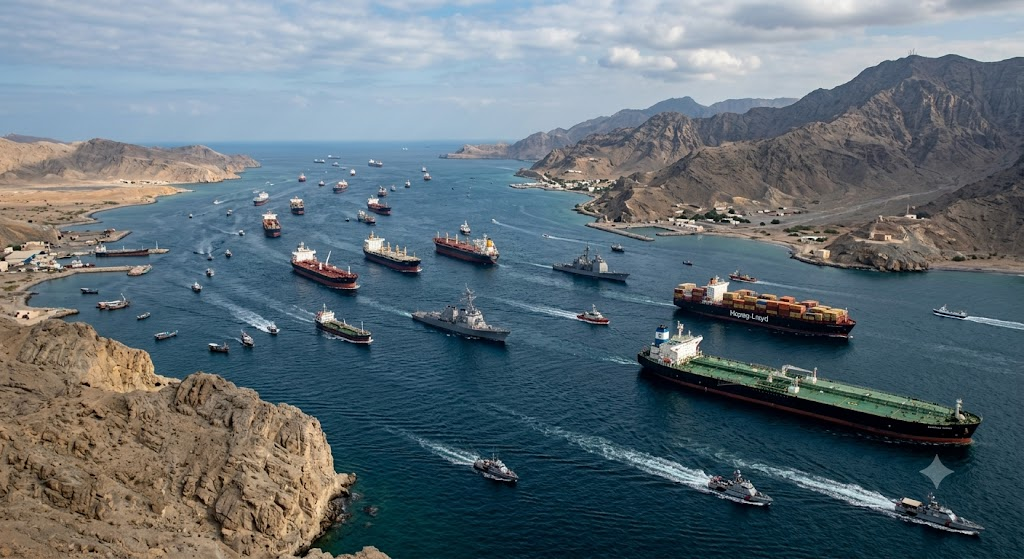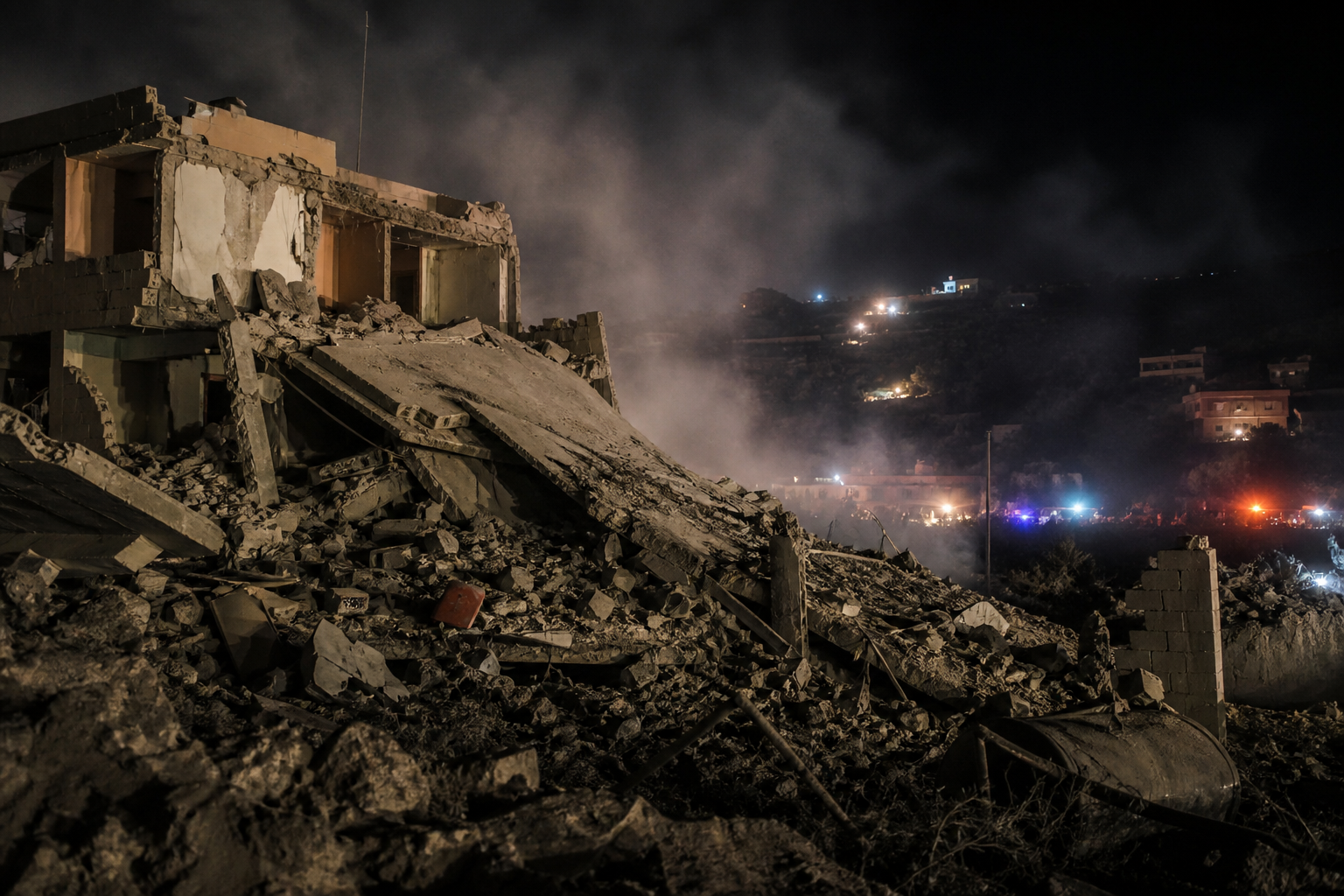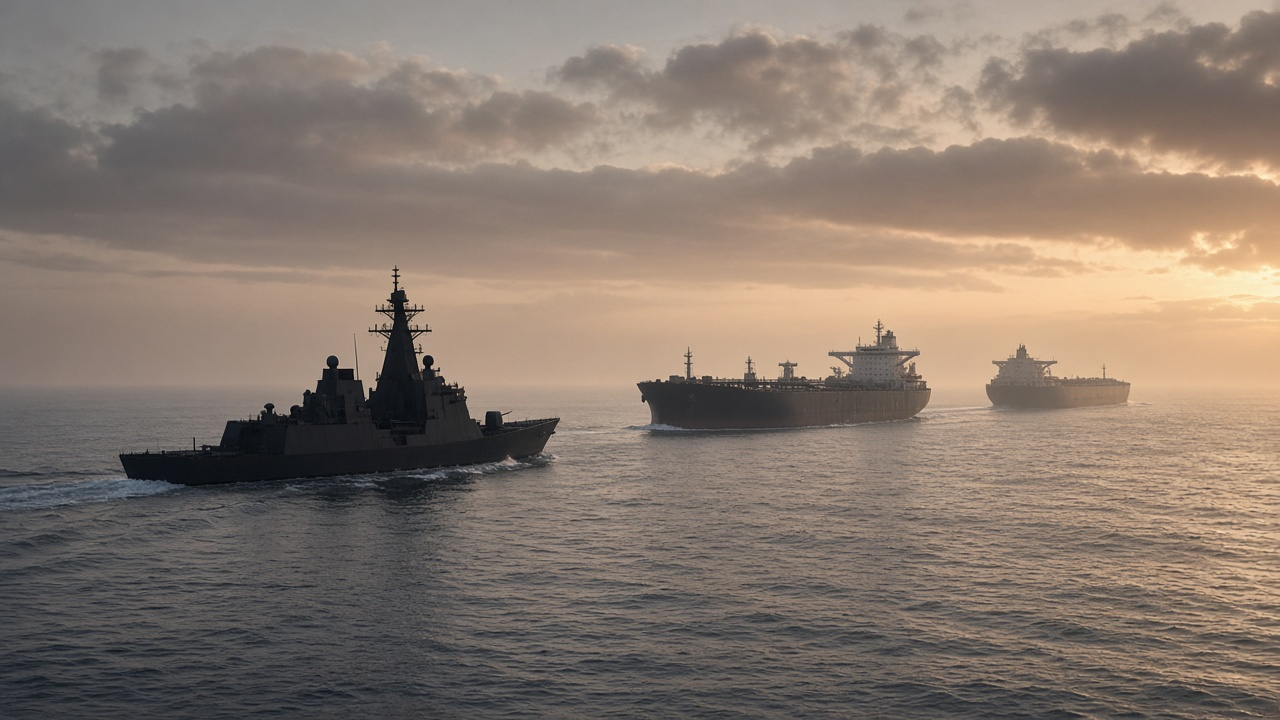
TAMPA — September 14, 2026. U.S. Central Command said American forces had redirected 101 commercial vessels to enforce the naval blockade of Iranian ports as of September 13, lifting the diversion tally from the 96-ship figure CENTCOM cited only days earlier. The command framed the count as compliance enforcement rather than a kinetic scorecard, without naming individual hulls, flags, or destinations. The blockade was reimposed in July after U.S.–Iran talks collapsed, and it now sits alongside escort efforts along Oman’s coast that Washington presents as proof oil can still move.
Independent tracking snapshots circulating Monday told a thinner story. Preliminary weekend data cited by regional wires showed roughly four vessels exiting the Gulf through Hormuz and about ten entering—still well below a recent ten-day average near fifteen and far from pre-war norms. Iran continues to assert that it controls unauthorized lanes and has warned ships against routes Tehran has not blessed, even as President Donald Trump publicly insists the strait is being reopened. That rhetorical gap—White House openness claims versus single-digit AIS days—is now the market’s daily briefing.
Operationally, 101 diversions are a policy instrument with cumulative bite: every redirected tanker is one less hull feeding Iranian port revenue and one more data point for insurers pricing war-risk. Strategically, the number also advertises U.S. persistence after months of IRGC corridor threats, USV claims, and mutual tanker strikes. The constraint is saturation. Diversion works until floating storage, Red Sea workarounds, and substitute barrels fill the gapor until a parallel Bab al-Mandab shock and Saudi pipeline outage turn one chokepoint crisis into a systemwide squeeze. Monday’s 101 is therefore both a CENTCOM milestone and a reminder that blockade arithmetic alone does not reopen a contested funnel.