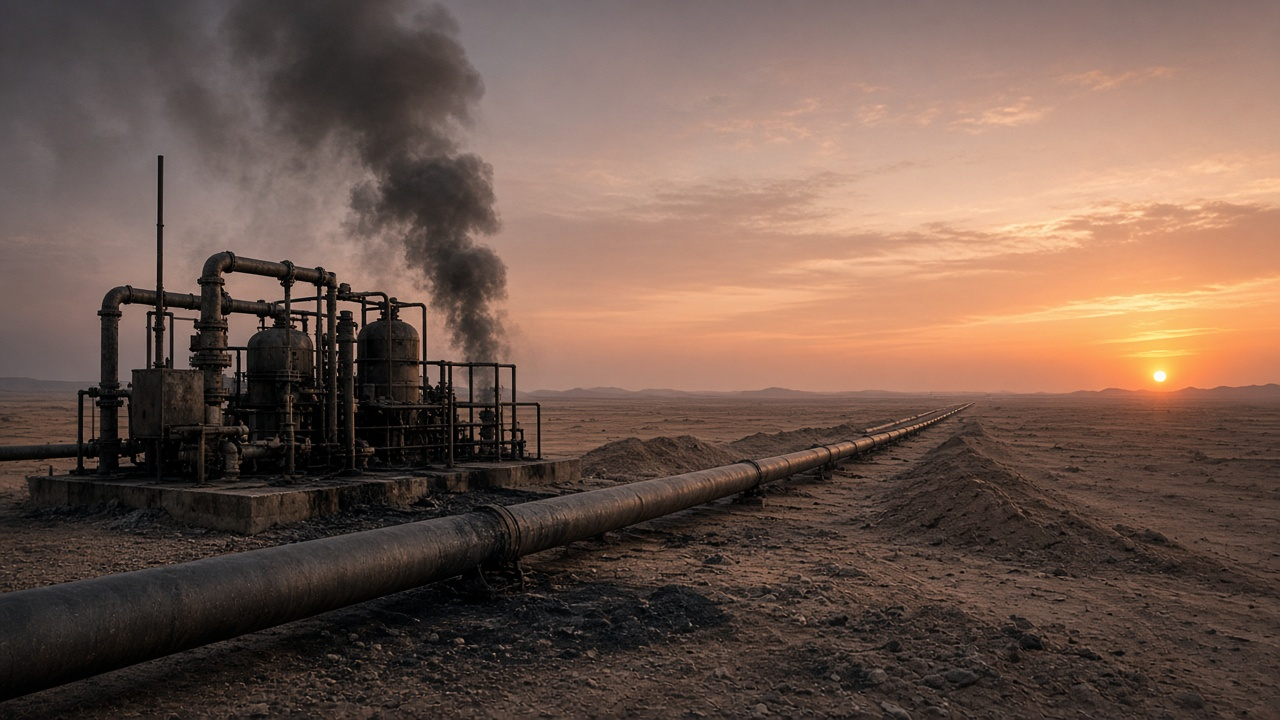
RIYADH — September 14, 2026. Saudi Arabia’s East-West crude pipeline remained shut after drone attacks originating in Iraq’s Maysan province struck facilities in the Riyadh and Medina regions late last week, removing a wartime workaround that had been moving roughly four million barrels a day—about four percent of global supply—toward the Red Sea port of Yanbu. The Energy Ministry called the closure a precaution while specialized teams assessed damage; the Foreign Ministry reported injuries and “some damage. Satellite imagery circulated Sunday appeared to show a charred pumping station, according to Guardian and AFP/Vantor reporting.
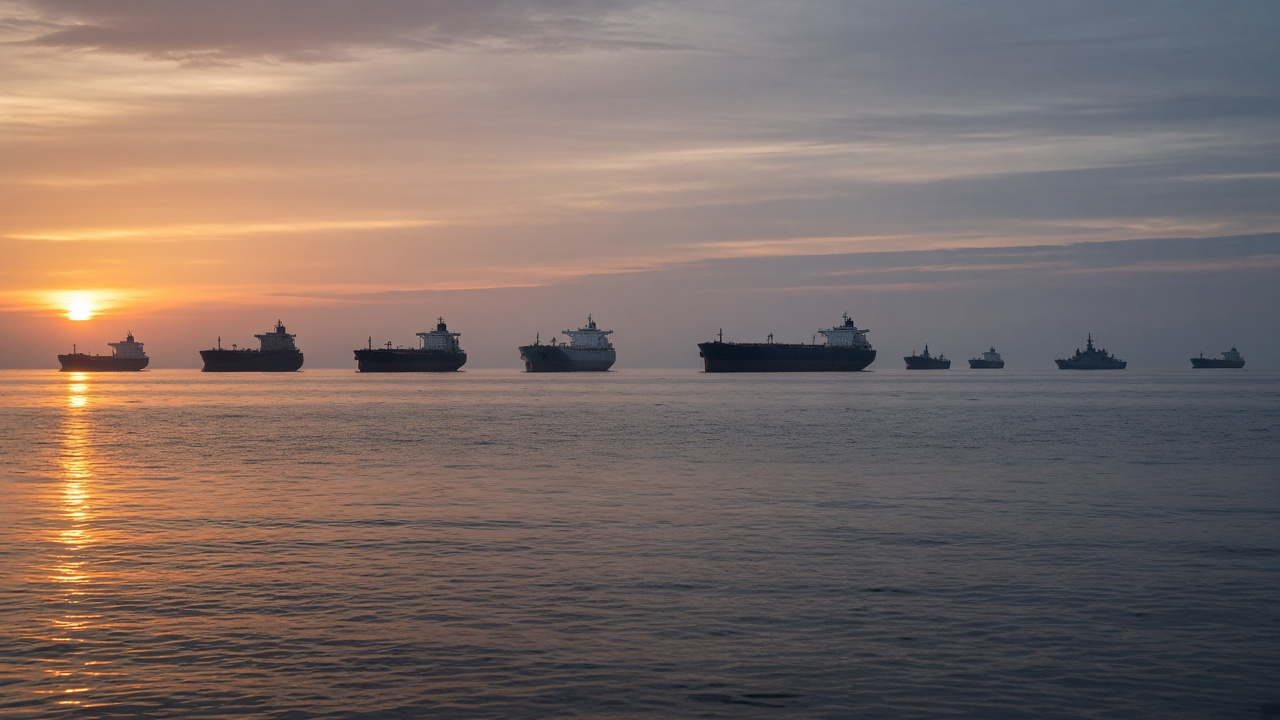
Industry sources told Reuters that Yanbu stocks could sustain exports for only five to seven days without pipeline replenishment, with additional buffers at Egypt’s Ain Sukhna and Sidi Kerir also finite. Repair timelines remain opaque, with trader estimates ranging from days to several weeks. Brent crude jumped into the high $107s and briefly approached $108 a barrel on Monday as markets priced the dual shock of Hormuz attrition and a damaged East-West artery—levels last seen in May, far above the roughly $72 pre-war February baseline.
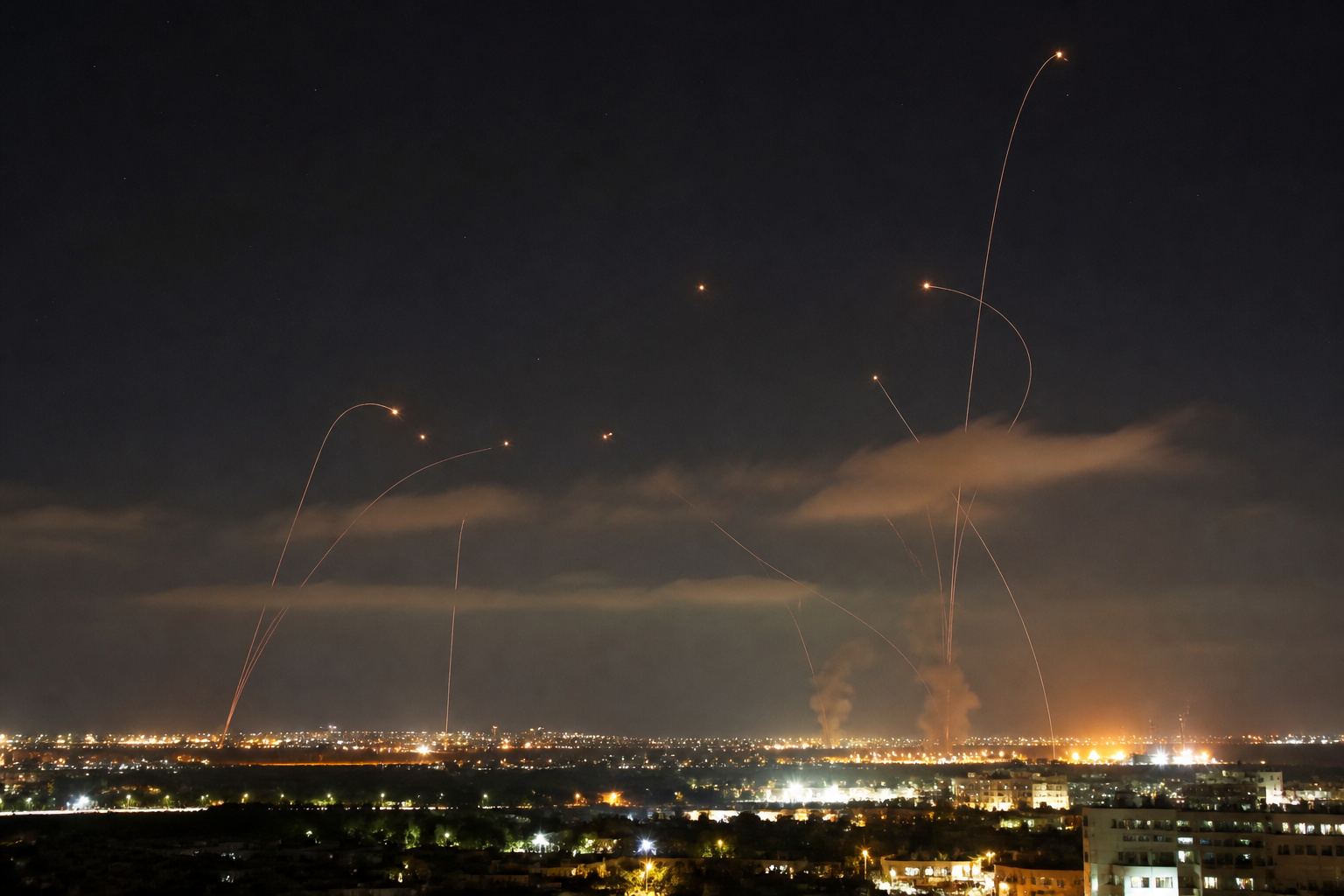
The strategic irony is sharp. Riyadh expanded East-West flows precisely because Hormuz became a war zone; Iraq-origin drones and parallel Houthi pressure on Red Sea targets now threaten the substitute. Iraqi authorities condemned the launch from Maysan and said they were investigating militia networks, while no group publicly claimed the pipeline hits. For Washington, the outage undercuts talking points that escorted Hormuz barrels are “enough. For OPEC watchers, the question is duration: if Yanbu empties before pumps restart, four percent of world supply is not a talking point—it is a missing cargo list.