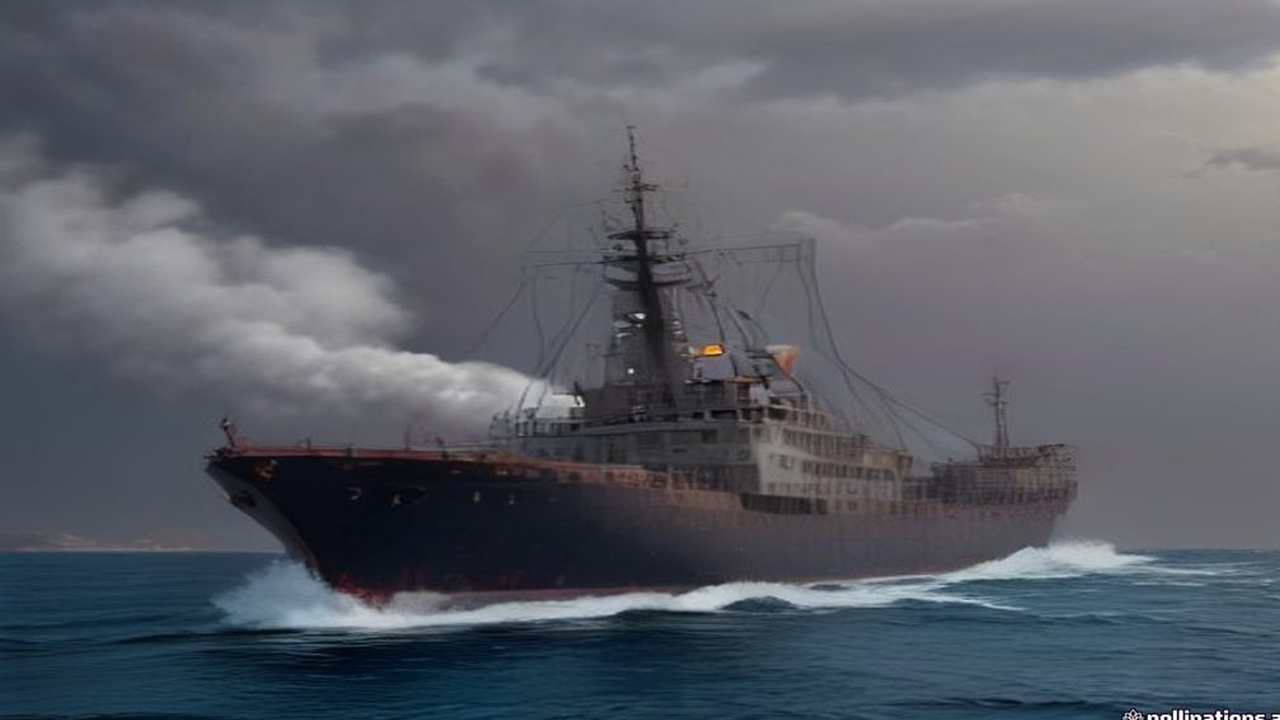
TAMPA / DUBAI — September 15, 2026. U.S. Central Command has flatly rejected an Islamic Revolutionary Guard Corps claim that a Panama-flagged oil tanker struck naval mines in the Strait of Hormuz, saying instead that the vessel — identified as the El Gaia — was hit by an Iranian missile last month and struck again by an Iranian drone over the weekend while sitting in waters off Oman.
“IRGC claims a Panama-flagged oil tanker recently struck a naval mine in the Strait of Hormuz. This is FALSE,” CENTCOM said in a statement circulated Monday and amplified into Tuesday’s news cycle. The command said the tanker was rendered inoperable by the earlier missile strike, then attacked again by drone while a regional partner began towing it. CENTCOM framed the mine narrative as “yet another example of their lies and intimidation attempts while they try to impede commercial vessels in the strait.”
Iran’s IRGC Navy offered a competing account: that El Gaia — also referred to in some Iranian media as Algaya — exploded after striking mines while using what Tehran called a forbidden or unsafe southern route through the strait. Iranian outlets cast the incident as proof that Hormuz remains under “smart control” and that commercial traffic ignoring Iranian route guidance faces lethal hazards. Those claims collide with CENTCOM’s late-August announcements that U.S. forces had cleared mines from recognized shipping lanes — a clearance Tehran has an interest in discrediting.
The human stakes are concrete. India’s Ministry of External Affairs said all 14 crew members aboard were Indian nationals; thirteen have been rescued and search operations continued for one missing sailor after the weekend projectile attack off Oman, which the United Kingdom Maritime Trade Operations centre had initially described as an unidentified projectile strike with fire. Attribution fights in Hormuz routinely outrun salvage operations: insurers, charterers, and flag states need a cause; combatants need a narrative.
Analysts at the Institute for the Study of War noted on September 14 that repeated Iranian mine claims appear designed to imply the strait still bristles with uncleared explosives even as U.S. coastal strikes have degraded IRGC radars, surveillance gear, and mine-laying systems. IRGC-affiliated Tasnim, unusually, also aired commentary questioning how much control Tehran still exerts as oil transit through the strait ticks back up — a rare public admission that the blockade and kinetic attrition are biting Iran’s primary strategic lever.
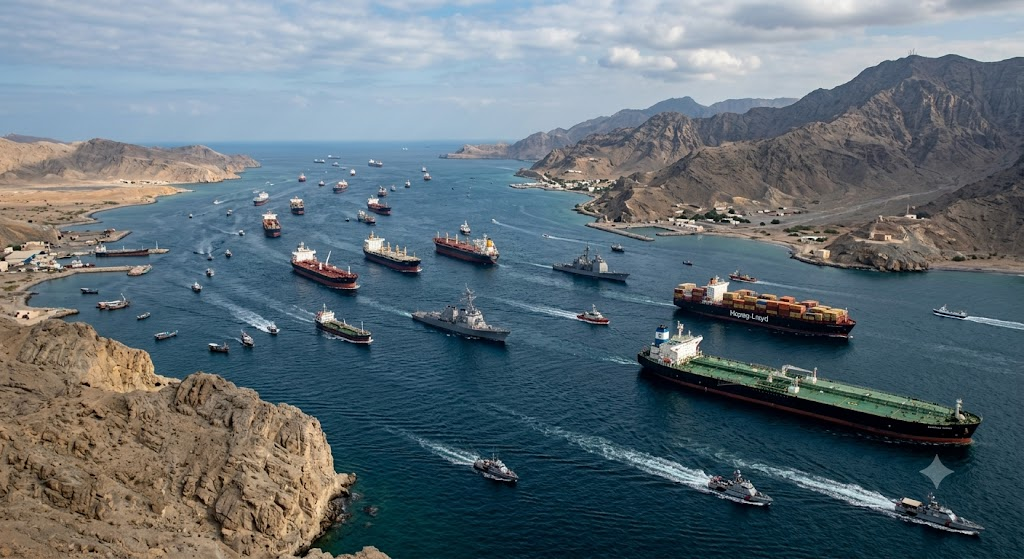
The El Gaia dispute matters beyond one hull. Every contested tanker incident raises war-risk premiums, slows AIS tracks willing to hug Oman’s coast, and feeds the information war over whether Hormuz is a mined trap, an IRGC drone alley, or a waterway the United States can gradually reopen. Washington’s message is that mines are a fiction covering deliberate Iranian attacks; Tehran’s message is that unauthorized routes remain deadly. Shipping companies must price both stories as risk until salvage forensics and a calmer strait — settle which one is true.
For now, a towed tanker, a missing Indian seafarer, and a categorical CENTCOM denial define the morning. The mine claim did not survive contact with American public messaging. Whether that changes IRGC behavior in the approaches to Hormuz is a separate, and unfinished, question.