NEW YORK / TEHRAN — September 21, 2026. President Donald Trump told Fox News he would “probably be open” to meeting Iranian President Masoud Pezeshkian at the United Nations General Assembly in New York this week, as Tehran’s delegation arrives with visas approved for Pezeshkian and Foreign Minister Abbas Araghchi and with a mediators’ list of end-of-war conditions that keep diplomacy on a separate track from the military threat rhetoric dominating Sunday’s Fox interview.
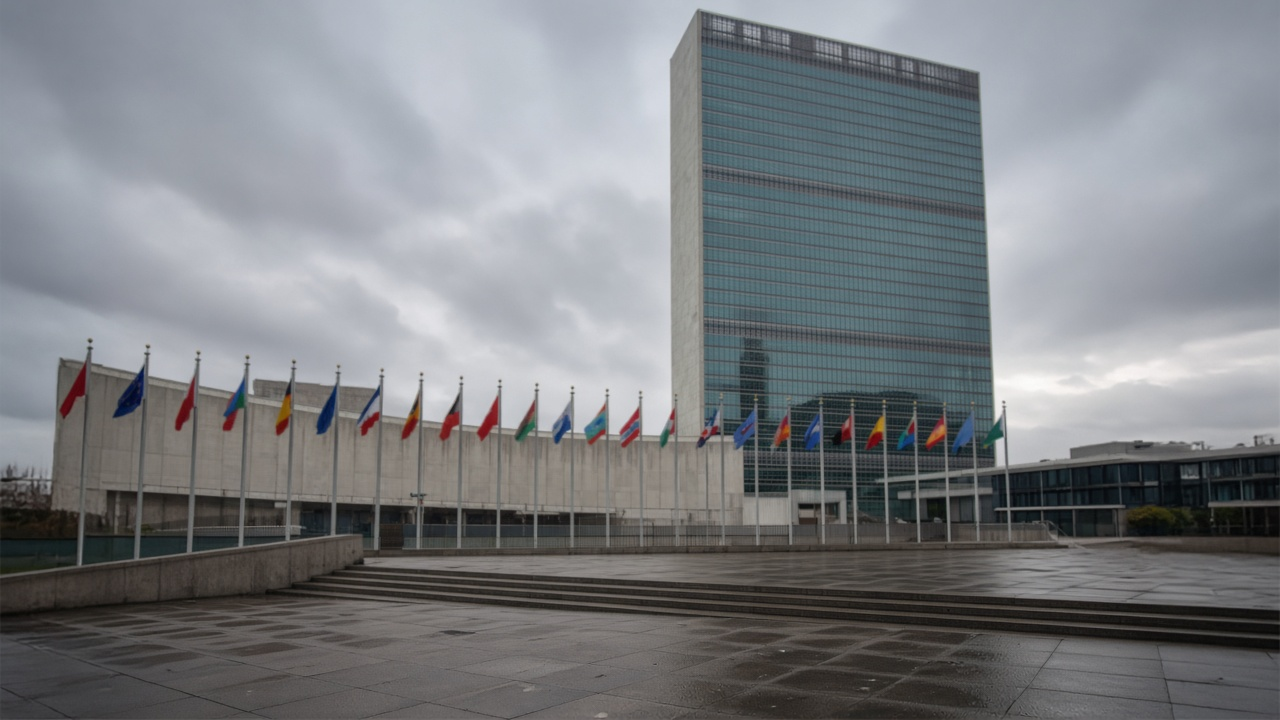
UNGA’s high-level week runs September 22–28. Trump is expected to address the assembly on Tuesday; Pezeshkian is expected around Wednesday, giving the two leaders overlapping calendars even if no bilateral is confirmed. Pezeshkian is leading the Iranian delegation and is scheduled to speak to the General Assembly — a visibility play for a wartime government that has spent months insisting it does not seek war while refusing to yield to force. The visa approvals remove one procedural obstacle that has blocked Iranian principals in prior sessions and signal that Washington, at least for this week, wants Tehran’s top civilian leadership in the room rather than only messaging through Gulf intermediaries.
Iranian conditions arrived through mediators rather than a joint communiqué. Mohsen Rezaei outlined seven demands that include ending the war on all fronts, releasing frozen assets and ending the U.S. naval blockade, according to reporting on Tehran’s mediation channels via Qatar and Turkey. Those points are maximalist enough to serve as opening positions, yet specific enough to structure talks if Trump’s “open” language becomes a meeting. Pezeshkian has repeated that Iran does not want war but will not surrender to coercion — a formula that lets him claim restraint while rejecting terms that look like capitulation at home.
Trump’s own calendar is not Iran-only. He is also meeting six Gulf Cooperation Council leaders — Saudi Arabia, the United Arab Emirates, Qatar, Bahrain, Kuwait and Oman — on the sidelines before any Iran decision, a sequence Axios reported earlier and that frames Gulf preferences as an input into whether Washington chooses escalation, freeze or bargain. Those six sit on the energy, basing and mediation geography of the conflict; their advice will not bind Trump, but it will color how markets read any Pezeshkian handshake or snub. CNBC noted Monday that markets briefly lifted on diplomacy hopes as the dual track of threat language and UNGA openness hit the wires together.
The diplomatic angle matters precisely because it is not the same story as Sunday’s wipe-out vocabulary and Khatam headquarters strike warnings. One track prices resumed bombardment and Hormuz closure. This track prices a possible leaders’ encounter, asset-release talk and blockade language at the UN. Both can be true in the same week: annihilation rhetoric for leverage, a corridor handshake for optionality. What converts talk into process is whether a meeting happens, whether Rezaei’s seven conditions become a negotiable package rather than a press list, and whether Gulf leaders leave New York aligned behind pressure, mediation or both.
Until then, UNGA week will be read as a tell. A Pezeshkian meeting that produces only photo lines will be priced as theater. A meeting that opens asset, blockade and front-wide ceasefire channels will be priced as a soft landing attempt. No meeting at all will send traders back to Hormuz vessel counts and strike warnings. For now, Trump’s “probably be open,” Pezeshkian’s presence, approved visas and Qatar-Turkey mediation keep a diplomatic lane open beside the military one — narrow, contingent and already moving markets on hope alone.