TEHRAN / WASHINGTON — September 21, 2026. Iran’s Khatam al-Anbiya Central Headquarters warned Sunday that its intelligence picture shows the United States preparing to resume strikes on Iranian territory, promising retaliation against U.S. bases and interests and branding regional “helpers” as complicit — even as President Donald Trump told Fox News he remains in “deciding mode” on whether to use military force, economic pressure, or a negotiated deal, including stark talk of blowing up or wiping out Iran if its economy is left to rot, according to CNBC and Gulf News accounts of the interview.
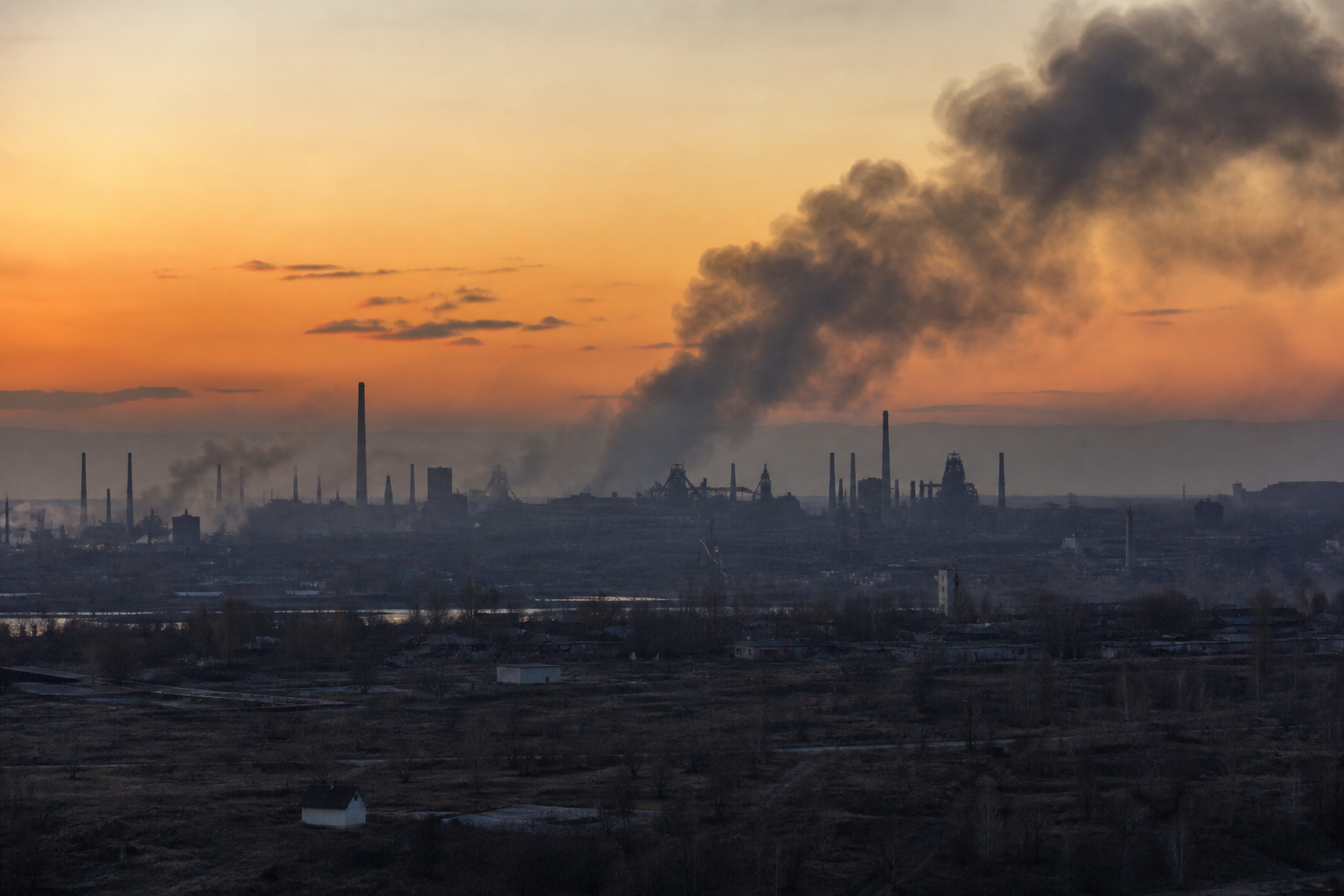
The military statement, attributed to the headquarters that coordinates Iran’s wartime joint operations, framed the alleged U.S. preparations as an imminent operational choice rather than rhetorical theater. It tied any renewed American campaign to automatic responses against facilities hosting U.S. forces and against states Tehran judges to be facilitating strikes. That language lands on Gulf capitals already managing basing politics, tanker insurance and spillover risk seven months into a war that began in late February after U.S.-Israeli strikes. For Iranian audiences, the warning is meant to show that Tehran will not absorb a second wave without cost. For Washington and its partners, it is a deterrent signal aimed at raising the price of escalation before UNGA week decisions harden.
Trump’s Fox News remarks, reported across U.S. and Gulf business wires, cast the same moment as a presidential menu rather than a single order. He described military action, economic pressure and a deal as live options while using maximalist vocabulary about Iran’s destruction if pressure fails — phrasing that markets and Tehran will both price even if no new target list has been released. Parliament Speaker Mohammad Bagher Ghalibaf struck a parallel hard line from Tehran: keep fighting, then negotiate from strength. He also insisted the Strait of Hormuz stays closed until the United States meets Iranian commitments — a formulation that keeps the chokepoint as leverage rather than a bargaining chip already spent.
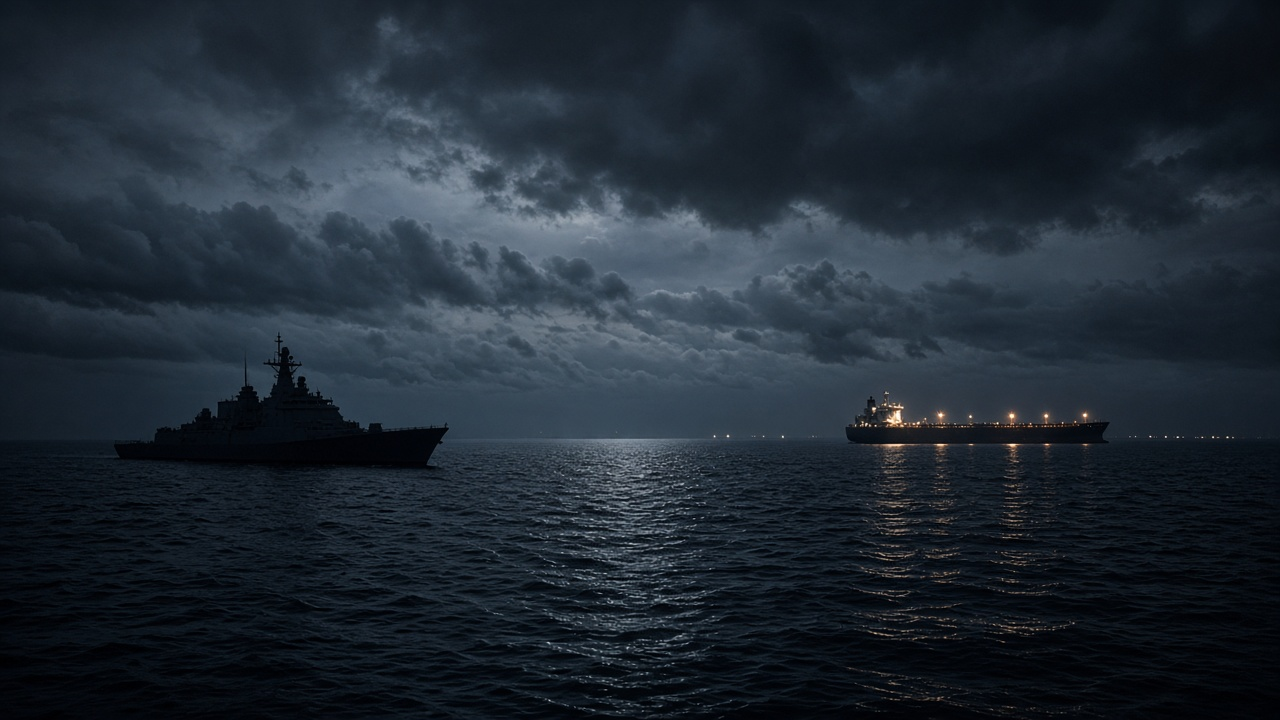
Weekend shipping data underscore why that leverage still matters. Commodity vessel crossings through Hormuz ran roughly twelve to seventeen over the weekend, compared with about thirty-five to thirty-seven the prior weekend and roughly one hundred twenty-five a day before the war, according to Al Jazeera and Reuters figures carried via Gulf News. Those numbers describe a strait that is neither fully sealed nor remotely normal. A sixty-day memorandum of understanding reached in June expired last month, leaving no formal traffic understanding in place as autumn energy demand rises. Eurasia Group has projected Brent crude in a ninety-to-one-hundred-ten-dollar band for the rest of the year if disruption persists — a range that already embeds Hormuz risk into household fuel politics from Asia to the Atlantic.
Diplomacy has not vanished under the threats. Qatar continues to mediate; Majed al-Ansari has said publicly that the United States wants an agreement. Foreign Minister Abbas Araghchi left for the United Nations General Assembly via Qatar, keeping a channel open even as Khatam headquarters warned of resumed strikes. The juxtaposition is deliberate on both sides: maximalist military language for domestic and deterrent audiences, parallel travel and mediation tracks for anyone still hunting an off-ramp before another round of bombardment.
What the Sunday exchange measures is not yet a new campaign but a compressed decision window. Tehran’s headquarters statement raises the cost of U.S. re-escalation by promising base and helper retaliation. Trump’s “deciding mode” keeps annihilation vocabulary, sanctions and a deal on the same table. Hormuz throughput near a tenth of pre-war daily norms shows the economic war is already underway. Until orders, escort rules or a mediated traffic understanding appear, the strait will trade on twelve-to-seventeen-vessel weekends, Gulf hosts will hedge basing risk, and both capitals will talk wipe-out and negotiation in the same news cycle — a posture that can flip to either resumed strikes or a temporary freeze with little public warning.