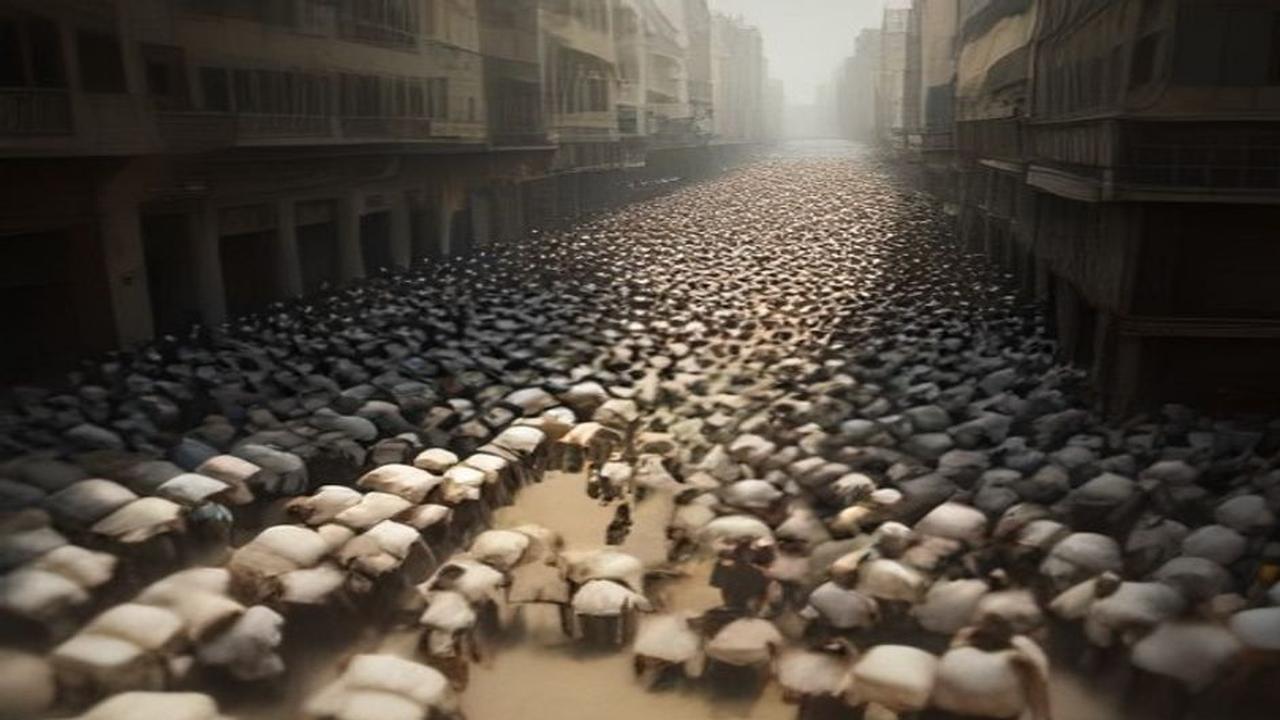
TEHRAN — September 18, 2026. Hundreds of thousands of Iranians filled downtown Tehran on Friday for a government-organized “Janfaday-e Iran” rally — the largest such demonstration since the United States and Israel opened their campaign against the Islamic Republic in February — as state media staged combat uniforms, flags and anti-aircraft hardware into a televised show of volunteer mobilization under naval blockade pressure.
The Associated Press described crowds marching in combat dress, carrying flags and pledging readiness to take up arms, with onlookers cheering and some participants trampling U.S. and Israeli flags while chanting familiar slogans. Iran’s state broadcaster estimated more than three hundred thousand people on Tehran’s streets Friday morning. Gen. Hassan Hassanzadeh, the Revolutionary Guard commander for Tehran, told state television that more than six hundred thousand people had already registered for limited military training and that more than one million were expected to take part. Newly installed Basij chief Hossein Taeb declared the volunteers ready for “full-fledged defense,” promised similar rallies in other cities, and said the trainees would become a “nightmare” for Iran’s enemies as President Masoud Pezeshkian and senior commanders watched.
The display mixed symbolism and inventory. Female Guard members sat with truck-mounted machine guns; anti-aircraft batteries rolled through the route; drones of the type used against shipping in the Strait of Hormuz were exhibited as proof that asymmetric tools remain central to Tehran’s wartime toolkit. Officials framed the volunteers as an additional layer beneath the Guard and Basij rather than a replacement for professional forces — a mass reserve for urban defense and internal control as much as for external warfighting.
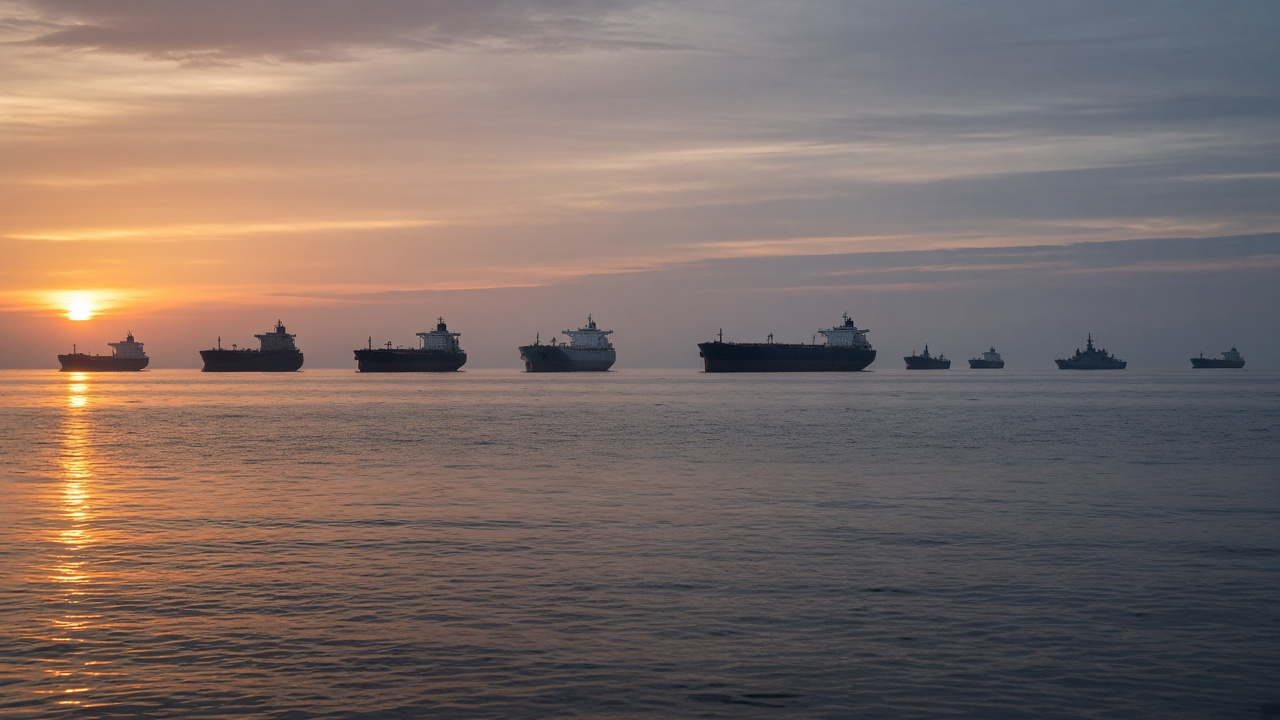
Context matters as much as the headcount. The United States has maintained a naval blockade of Iranian ports and layered new sanctions meant to deepen economic pain after months of neither-war-nor-peace stalemate. Inside Iran, activists say a January protest wave that began over the economy and widened into political grievance was crushed with thousands killed and tens of thousands detained — figures the government disputes and that independent verification remains difficult. Hardliners around Taeb are signaling that any future street challenge will meet a thicker volunteer security belt, not only a conventional crackdown.
Attribution requires care on the largest volunteer claims. In May, officials said more than thirty million Iranians — in a country of roughly ninety million — had volunteered online or at gatherings to “lay down their lives” for the system. The Associated Press reported it could not independently confirm that figure. Friday’s verifiable picture is narrower and still significant: a state-organized mass march in the capital, Guard-announced six-figure registrations, and hardware theater designed for domestic morale and foreign cameras.
For Washington and Jerusalem, the rally does not change the balance of precision munitions or tanker escorts. It does advertise political intent: the leadership wants to show that coercion and blockade have not produced visible elite collapse and that a reserve of motivated civilians can still be summoned. For ordinary Iranians watching empty shelves and rising prices, the same images may read as mobilization theater layered onto wartime austerity. Either reading leaves Friday’s “Janfaday-e Iran” as the clearest domestic political pageant of the war’s seventh month — and as a reminder that Tehran’s answer to external pressure remains mass loyalty rituals as much as missile salvos. The coming weeks will show whether the registered volunteers become a lasting training pipeline or a one-day spectacle timed for cameras while the blockade and the front grind on.