Patriot PAC-3 MSE: $58.6B Deal, Stockpile Strain, Output Goal
The Army’s $58.6B PAC-3 MSE deal aims to triple Patriot interceptor output by 2030 as the Iran war and Ukraine drain stocks and allies seek their own lines.
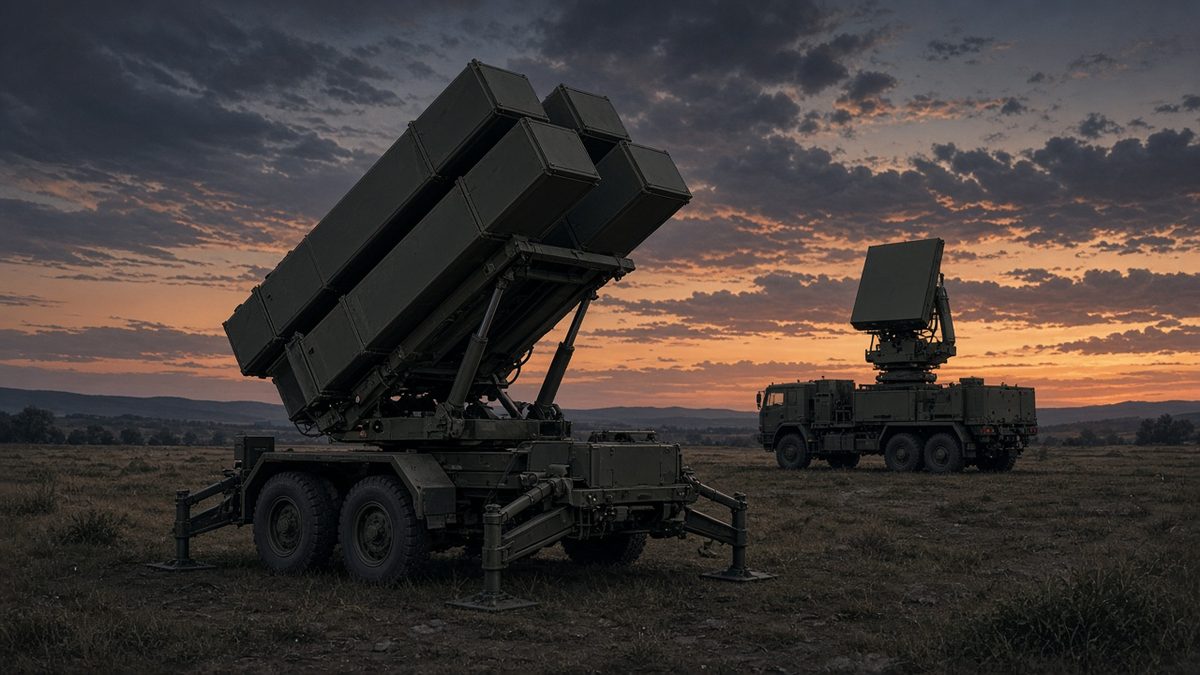
The PAC-3 MSE, the hit-to-kill interceptor fired from the Patriot air-defense system, is described in the sources cited below as one of the scarcest weapons in the Western arsenal. According to CSIS, the U.S.-Iran war has drawn down American stocks; Ukraine says it needs the missiles to stop Russian ballistic strikes; and at least 18 other countries operate Patriot. In response the Army signed a seven-year deal worth up to $58.62 billion with Lockheed Martin on 29 July 2026, aiming to triple production by the end of 2030. As of early October the fight is about how fast new capacity arrives, and where it is built.
At a glance
- The deal: an undefinitized seven-year contract worth up to $58.62 billion, following a $4.7 billion award in April (Lockheed Martin).
- The goal: from roughly 600 interceptors a year to 2,000 by the end of 2030.
- The strain: CSIS estimates the U.S. stockpile fell about 65 percent after the Iran war began, to as few as 759 missiles by late July.
The contract and the production plan
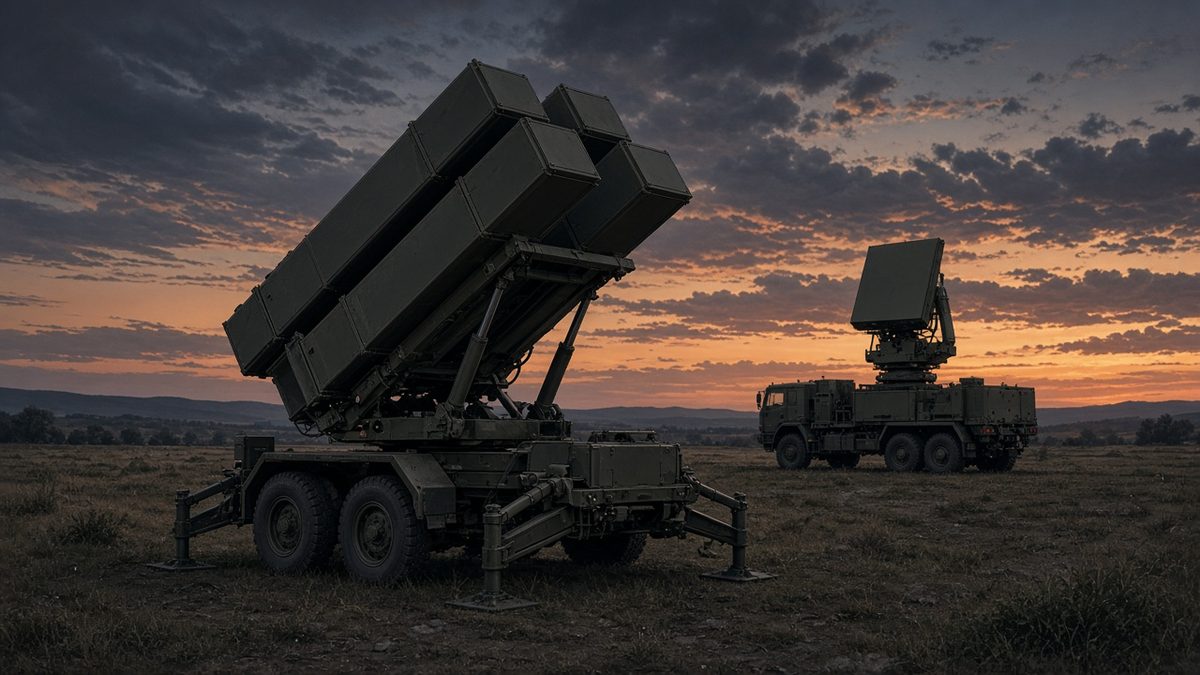
The Army says PAC-3 MSE is an interceptor built to counter tactical ballistic missiles, cruise missiles and aircraft. A 6 January framework agreement led to the $4.7 billion award in April (U.S. Army), and the July modification added up to $53.86 billion. Lockheed says the money supports a 50 percent jump in jobs at its Camden, Arkansas, plant, from 1,200 to about 1,850, and that it is investing $8 billion to $9 billion through 2030 in more than 20 facilities.
Two cautions apply. Breaking Defense notes that the contract is undefinitized, so dollar values and quantities could change as talks continue (Breaking Defense). And rocket motors have long been a bottleneck, which is why the Pentagon also signed a framework with L3Harris to ramp up motors for PAC-3 and THAAD. Lockheed’s Dan Tenney put the limit plainly on 30 September: “Really, it’s just time.”
Key specs and numbers
| Item | Detail | Source |
|---|---|---|
| Role | Hit-to-kill interceptor against ballistic and cruise missiles and aircraft | U.S. Army |
| Maker | Lockheed Martin; final rounds built in Camden, Arkansas | Lockheed Martin |
| Output | About 600 a year now; target 2,000 by end of 2030 | Kyiv Post |
| U.S. price | About $4.97 million (1,970 missiles for $9.8 billion, September 2025) | Defense Express |
| Allied price | €6.36 million (Germany, 2024); a 2026 Saudi approval implies about $12.3 million | Defense Express |
| Lead time | About 3.5 years from contract to delivery | ABC News |
A stockpile under strain
The U.S. war with Iran began on 28 February. CSIS analysts noted that Iran fired more than 2,000 drones and 500 ballistic missiles in the first four days, and that for ballistic threats there is “no good substitute” for Patriot, THAAD and Standard Missiles (CSIS). After a ceasefire collapsed and fighting resumed, CSIS updated its estimate: ABC reports the U.S. Patriot stockpile fell about 65 percent, to as few as 759 of the top-end interceptors, while it puts annual U.S. output at 183.
These are outside estimates, built from budget documents and reported combat use, not an official inventory. The Pentagon’s spokesman told ABC the U.S. “has everything it needs” to carry out the president’s orders, and Defense Express reports Defense Secretary Pete Hegseth called shortage stories “fake news.”
Ukraine feels the squeeze directly. CSIS says Ukraine has received more than 600 Patriot interceptors from the United States and others during the war, and about half of annual production goes to partners. Defense Express reports that U.S. Ambassador to NATO Matthew Whitaker said any new missiles for Kyiv before winter would come from current production and allied stocks, not Pentagon arsenals (Defense Express).
Allies want their own lines
The newest twist is geography. German Defense Minister Boris Pistorius has asked U.S. leaders to let Germany build PAC-3 MSE interceptors, following an agreement with Hegseth the week before 23 September. Germany’s MBDA already makes the older PAC-2 interceptor, while Lockheed has a cooperation agreement with Rheinmetall (Defense News). Tenney told Kyiv Post that Lockheed is in “pretty deep” talks with several nations about production sites, that global demand has tripled, and that it is preparing a lower-cost PAC-3 ACE variant. Zelensky says President Trump has approved Ukrainian production of Patriot interceptors; Defense News says the details remain unclear.
Why it matters
Patriot is the system standing between Ukrainian cities and Russian ballistic missiles, and between U.S. bases and Iranian salvos. Every round fired in one theater is not available in another; Zelensky has said as much about Middle East use. CSIS adds that the same interceptors are needed in the Western Pacific, so my reading is that any Taiwan Strait crisis would draw on a pool that is still being rebuilt. Rebuilding is slow: CSIS puts the typical cycle from a funded order to delivered missiles at over four years.
What to watch: whether the contract is definitized at the quantities promised, whether Washington clears production in Germany or Ukraine, and how many missiles reach Kyiv before winter.
Takeaway (analysis): the $58.6 billion deal targets capacity by the end of 2030, while the demand described in the sources above exists now.
Related coverage
- PrSM Missile: $1.2B Army Order, Iran Debut and Pacific Role
- Key Munition Stockpiles, Production Rates, and Timelines to Rebuild
- Allies Brace for Harder Winter War Into 2027 as Kyiv Talks Stall
Sources
- Lockheed Martin, Department of War Awards Lockheed Martin $58.62B for Multiyear PAC-3 MSE Production, 29 July 2026.
- Breaking Defense, Army adds $54B to Lockheed PAC-3 agreement, 29 July 2026.
- CSIS, Last Rounds? Status of Key Munitions at the Iran War Ceasefire, 21 April 2026.
- ABC News, US stockpile of Patriot interceptors diminished by some 65%, 30 July 2026.
- Defense News, Germany wants to manufacture American PAC-3 interceptors, 23 September 2026.