U.S. Withholds al-Burhan’s UN Visa Over Sudan Ceasefire Demand
The U.S. is withholding a UN visa for Sudan’s army chief Abdel Fattah al-Burhan pending a 90-day ceasefire plan, sparking a sovereignty outcry in Sudan.
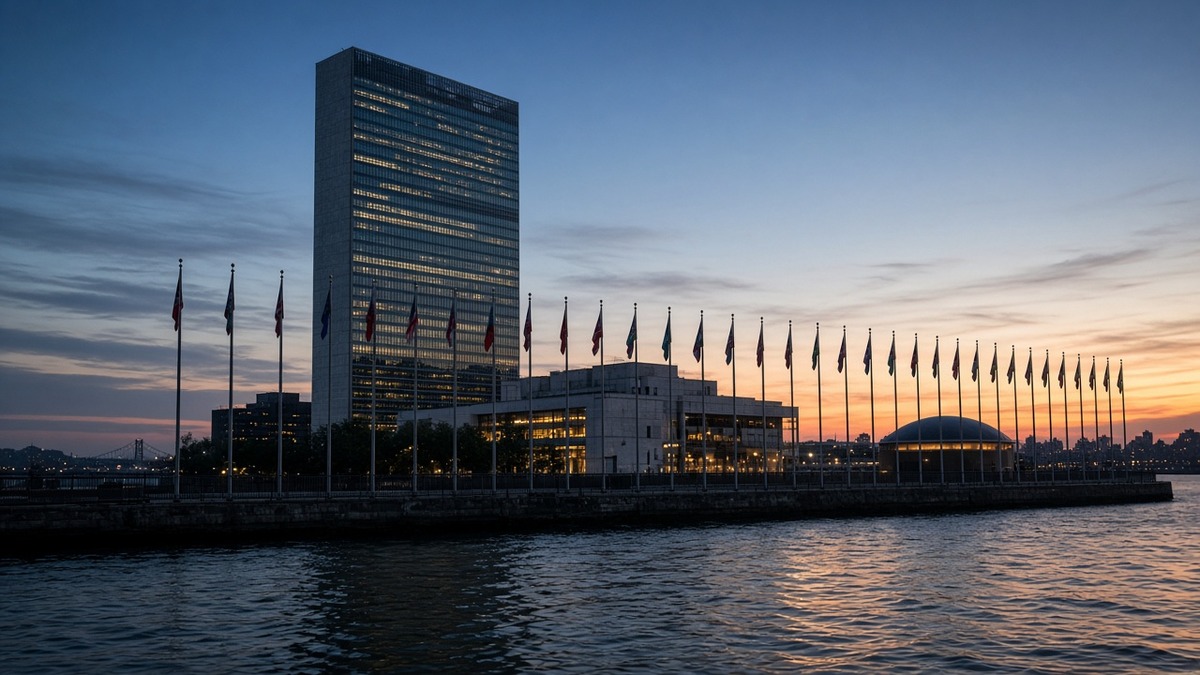
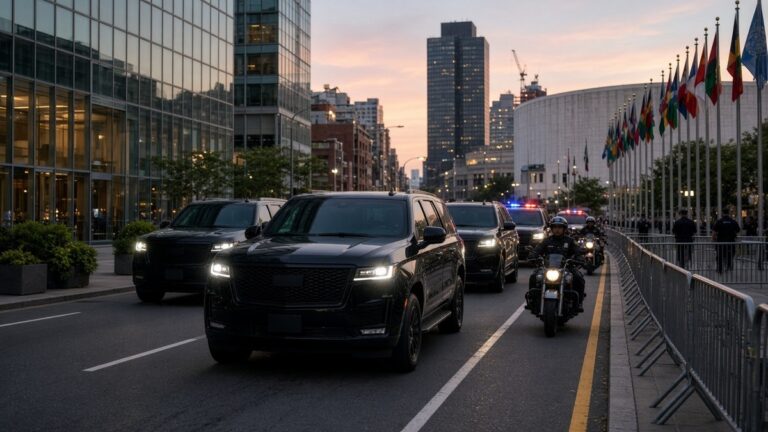
KHARTOUM / NEW YORK — September 24, 2026. The United States is withholding a visa for Sudanese army chief and de facto leader Abdel Fattah al-Burhan ahead of a planned United Nations General Assembly appearance, diplomatic sources and reporting said, conditioning travel on acceptance of a roughly 90-day ceasefire plan associated with U.S. adviser Massad Boulos — a move that produced sharp sovereignty outcry in Sudanese political circles and concern at the UN about Headquarters Agreement norms.
According to accounts summarized by Al Jazeera, Dawn and other outlets citing diplomatic sources, Washington linked al-Burhan’s visa to buy-in on a truce framework meant to pause fighting between the Sudanese Armed Forces and the Rapid Support Forces. The U.S. State Department has publicly distanced itself from recognizing either SAF or RSF as a legitimate national authority, a stance that makes the visa lever both potent and awkward: it pressures the army chief without conferring the legitimacy Khartoum seeks on the UNGA podium.
UN officials have flagged the broader principle. The Secretary-General’s office has previously expressed concern when host-country visa practices appear to obstruct member-state representation under the Headquarters Agreement. Sudanese voices framed the hold as collective punishment of a war-torn state and as selective diplomacy that ignores RSF atrocities while squeezing the army’s diplomatic channel. Supporters of conditionality counter that a UNGA speech without a ceasefire commitment would launder a grinding civil war into ordinary multilateral theater.
Sudan’s Humanitarian Ledger Beyond Visa Politics
On the ground, the war’s humanitarian ledger still dwarfs visa politics. Years of SAF–RSF combat have produced mass displacement, famine risk and contested cities; drone and artillery exchanges continue even as New York argues over who gets a badge. Linking a 90-day ceasefire to a visa creates a short clock: accept and speak, or refuse and forfeit the General Assembly stage. That binary may force a tactical truce declaration without enforcement mechanisms — or harden army refusal if officers read it as humiliation.
For Washington, Sudan policy sits among competing UNGA priorities: Ukraine diplomacy, Iran/Hormuz talks, and Middle East ceasefire management. The Boulos track’s visibility on September 24 shows the administration willing to use host-country logistics as leverage when formal recognition is off the table. For African Union and Arab mediators, the risk is that visa coercion substitutes for a monitored truce architecture with verified humanitarian corridors.
Whether al-Burhan ultimately speaks in New York will tell more about U.S. leverage than about Sudan’s battlefield balance. If the visa clears after a ceasefire nod, UNGA becomes the stage for a fragile pause. If it stays blocked, Khartoum’s absence will itself be the message — and the war will continue without even a contested speech to mark it.
Regional mediators in Cairo and Jeddah will watch whether a visa-for-truce bargain produces inspectors and corridors or merely another announced pause that collapses when the next city changes hands.
Sources
- Al Jazeera: Outcry in Sudan as US reportedly holds al-Burhan’s UN visa over truce plan
- Arab News: US ties Sudanese army leader’s UN visa to ceasefire plan, sources say
- France 24: US refuses to give Sudan’s de facto leader visa for UN


One Comment