Lavrov Tells UNSC Russia Will Not Pause War for Talks
Sergei Lavrov told the UN Security Council Russia will not pause the war for talks, as Marco Rubio said both sides show interest in limited ceasefires.
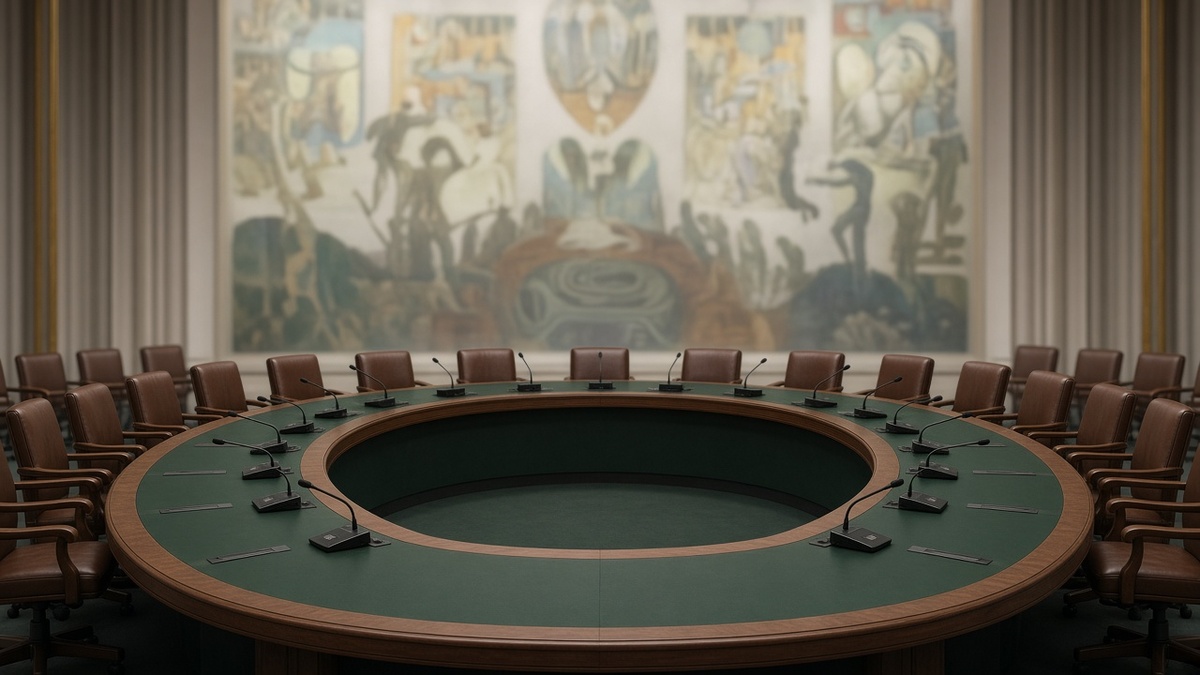
NEW YORK — September 24, 2026. Russian Foreign Minister Sergei Lavrov told the UN Security Council that Moscow will not pause its so-called special military operation for negotiations in any format, drawing a hard line hours before overnight missile and drone strikes killed civilians in Ukraine — even as U.S. Secretary of State Marco Rubio said both sides had signaled interest in limited ceasefires covering energy infrastructure and grain routes.
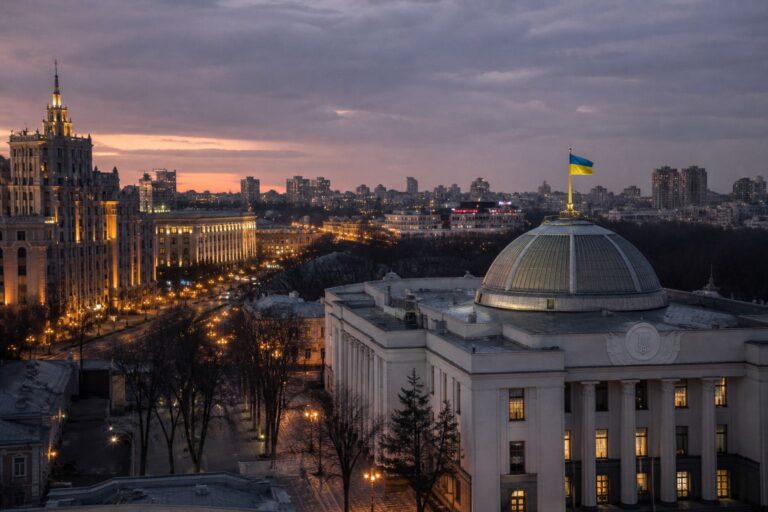
Lavrov’s formulation, carried by TASS and paraphrased across Western outlets, rejects temporary operational freezes as a precondition or companion to talks. It answers a diplomatic week in which Ukrainian President Volodymyr Zelenskyy again pressed for reciprocal energy pauses and broader pressure on the Kremlin, and in which a joint declaration by 51 countries at the United Nations stated that Ukraine had accepted a full and unconditional ceasefire and called on Russia to do the same while demanding the return of deported civilians and children.
Rubio’s readout after meeting Lavrov struck a narrower register. According to reporting from the sidelines of UNGA, he said Russia and Ukraine had each voiced interest in limited ceasefires — typically framed around power plants, grid nodes and agricultural exports — without claiming a breakthrough on a comprehensive pause. That gap between “limited” and “full” is now the entire negotiation. Kyiv can accept a total ceasefire it has already said yes to; Moscow can discuss grain and energy windows while continuing ballistic waves, as the September 24 overnight package demonstrated.
Two Messages for Two Audiences
The rhetorical split serves domestic and international audiences differently. For the Kremlin, Lavrov’s no-pause line reassures hardliners that diplomacy will not freeze territorial gains or logistics under fire. For Washington, Rubio’s limited-ceasefire language keeps a humanitarian and market off-ramp visible without pretending Lavrov conceded what he publicly denied. For the 51-nation bloc, the joint declaration builds a voting and narrative majority that does not yet move Russian air tasking orders.
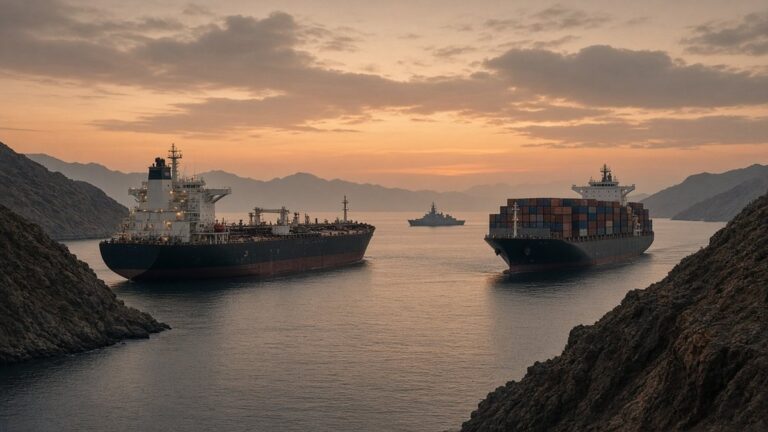
Turkish messaging added a maritime subplot: President Recep Tayyip Erdoğan’s office said he told Zelenskyy that attacks on commercial vessels in the Black Sea are “inexplicable” and that navigational safety steps are required — a jab that lands as Russia claims strikes on tankers linked to Ukrainian ports. Energy and grain ceasefires only matter if ships can move; Lavrov’s refusal to pause operations keeps that question live.
September 24 therefore freezes the diplomacy in a clear hierarchy: multilateral calls for a full ceasefire, U.S. exploration of limited sectoral pauses, and a Russian refusal to halt the war for any talking format. Until one of those three layers yields a verified schedule — escorts, plant stand-downs, or a true operational freeze — UNGA week’s “interest” will keep sharing the night sky with drones and Zircons.
Investors pricing grain and power-sector risk will treat Rubio’s limited frame as the only tradable off-ramp until Lavrov’s no-pause line is walked back in writing — an event that did not occur on September 24.
Sources
- TASS: Russia not to pause special military operation for talks in any format — Lavrov
- Kyiv Post: Lavrov tells UN Security Council Russia won’t pause the war during negotiations
- Al-Monitor: Zelenskiy warns of painful winter for Russia if energy truce talks fail
Related coverage
- Russia Unleashes 282 Drones and Zircon Missiles on Ukraine, Killing Eight as Zelenskyy Cites 60% Ballistic Intercepts
- Zelenskyy Offers Reciprocal Energy Ceasefire and Presses Trump for Trilateral Talks With Putin
- Zelenskyy Says No Energy Ceasefire Until Russia Stops — Pushing Back on Trump’s Truce Claim

One Comment