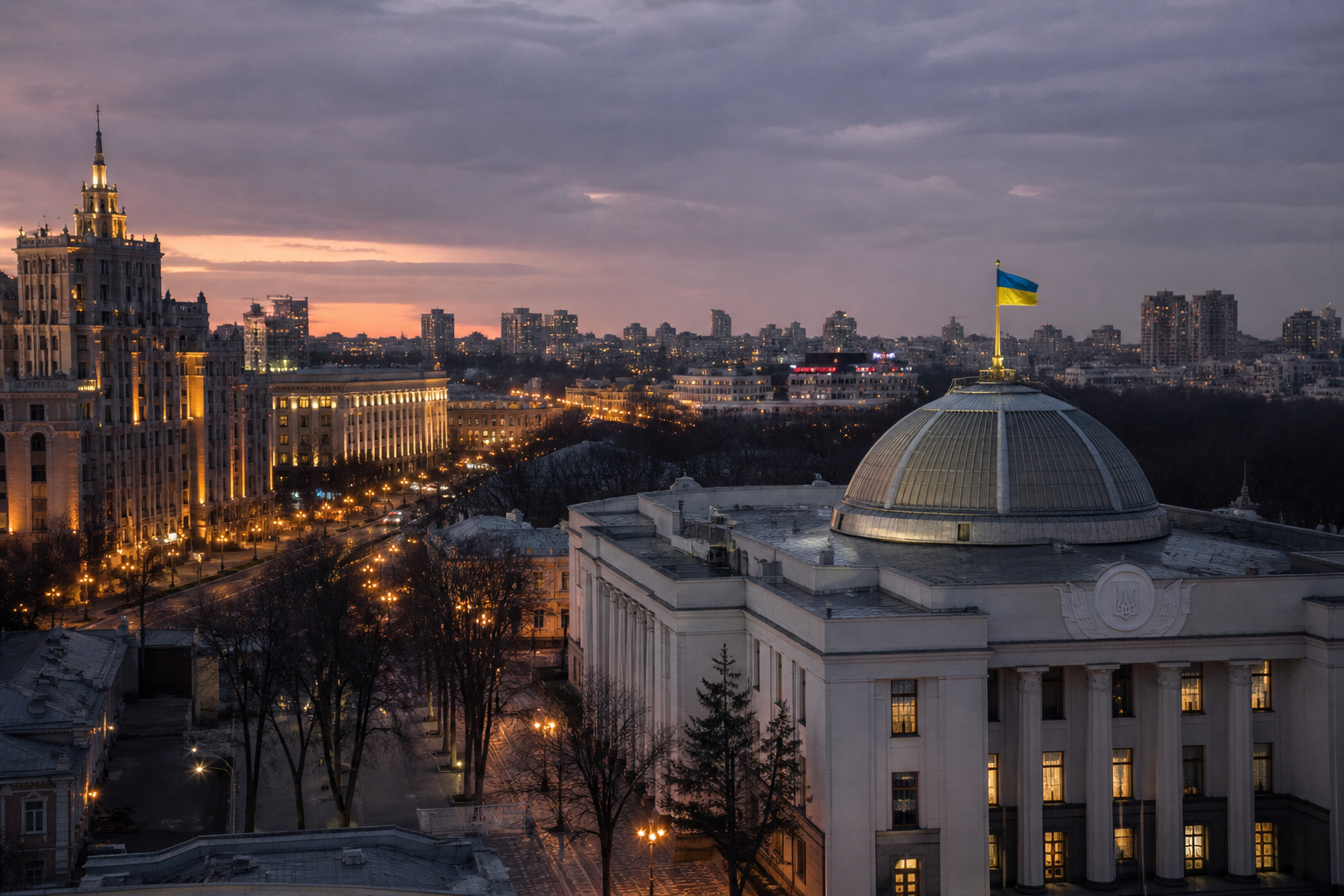
KYIV — September 15, 2026. President Volodymyr Zelenskyy said Ukraine will halt strikes on Russian energy targets only if Moscow does the same — and if Washington can guarantee Russia’s genuine, long-term compliance — directly undercutting President Donald Trump’s claim that both sides had already agreed to an energy-infrastructure ceasefire.
“So far, no one has seen any genuine willingness on Russia’s part to bring the war to an end,” Zelenskyy said, according to accounts carried in Tuesday’s Ukraine war briefings. He added that if American partners can secure Russia’s honest readiness to stop a war aimed at destroying lives — and to spare critical infrastructure on a reliable, long-term basis — Ukraine would support reciprocal restraint. Neither Kyiv nor Moscow had confirmed Trump’s earlier assertion that such a deal was already in force.
The gap between announcement and battlefield is familiar. Trump has repeatedly described breakthroughs that later proved nonexistent, partial, or measured in hours rather than weeks. An energy truce would be strategically attractive: Ukraine’s long-range drones have hit Russian refineries and oil sites from Tatarstan to Krasnodar, while Russia’s mass drone-and-missile waves continue to batter Ukrainian power and heating nodes ahead of another winter. Reciprocal restraint could ease civilian suffering and lower global fuel-risk premiums. It cannot be wished into existence by a Truth Social post.
Kyiv’s conditions are deliberately high. A pause that Russia can break after Ukraine stands down its deep-strike campaign would leave Ukrainian cities colder and Russian refineries freer to recover. Zelenskyy’s demand for U.S. guarantees is therefore not diplomatic theater; it is an attempt to bind verification and consequences into any energy bargain before Ukraine surrenders one of its few asymmetric tools. Moscow, for its part, had not publicly locked itself into Trump’s formulation at the time of Zelenskyy’s reply — and overnight strike reports continued to undercut the idea of an operational truce.
The timing overlaps with NATO’s eastern-flank nerves after Russian drones near the Polish border and a NATO shootdown over Lithuania. Energy diplomacy and airspace incidents now move on the same calendar. Allies want evidence that Washington can extract enforceable pauses from the Kremlin; Ukraine wants evidence that pauses are not unilaterally disarming. Russia wants the political credit of appearing open to Trump’s framing without surrendering the coercive value of winter strikes.
Day 1,665 of the full-scale war will not be remembered for a phantom energy ceasefire. It may be remembered for clarifying Kyiv’s red lines: reciprocity first, American enforcement second, and no unilateral pause while Russian missiles still treat Ukrainian substations as seasonal targets. Trump can claim a deal; Zelenskyy has defined what a real one would require.
Winter energy warfare has already rewritten Ukraine’s domestic politics once; another season of blackouts would test mobilization, diaspora remittances, and European solidarity budgets simultaneously. That is why Kyiv treats Trump’s truce language as a hazard until Moscows launch tempo changes. An unverifiable pause is worse than no pause if it freezes Ukrainian deep strikes while Russian missiles keep flying.