BEIRUT — September 15, 2026. Israeli strikes on the southern Lebanese town of Kfar Rumman killed at least 13 people, including six children, Lebanon’s Health Ministry said, marking one of the deadliest single days of bombardment in recent weeks and intensifying fears that the June ceasefire with Hezbollah is collapsing into a renewed campaign.
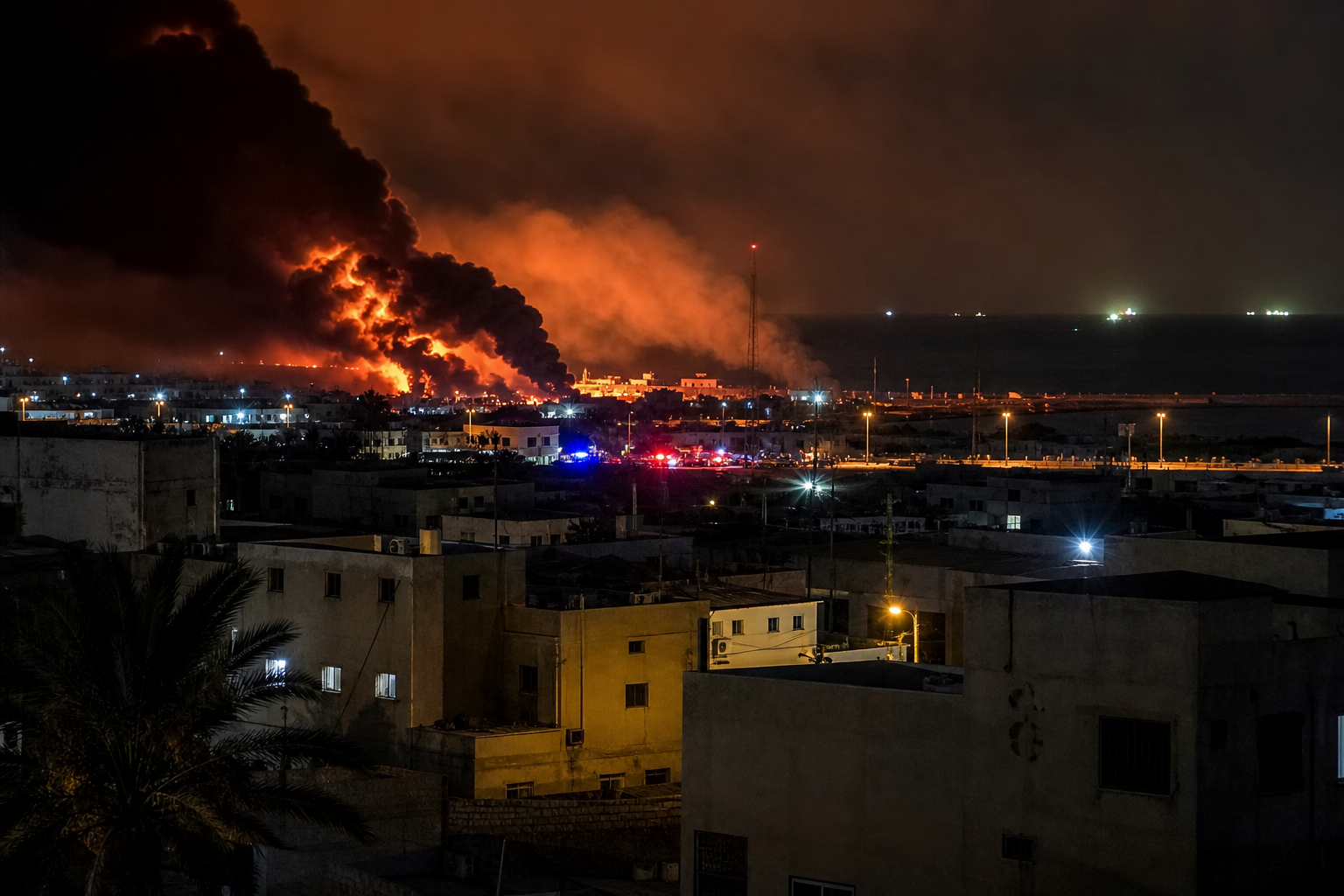
Twelve of the dead were killed when a residential building was hit after midnight Monday, according to updated ministry figures and Lebanese state media. A separate drone strike on a vehicle killed a medic. Officials said wounded civilians and medical workers were among the casualties and that the strikes came without the kind of evacuation warnings Israel has sometimes issued before larger operations.
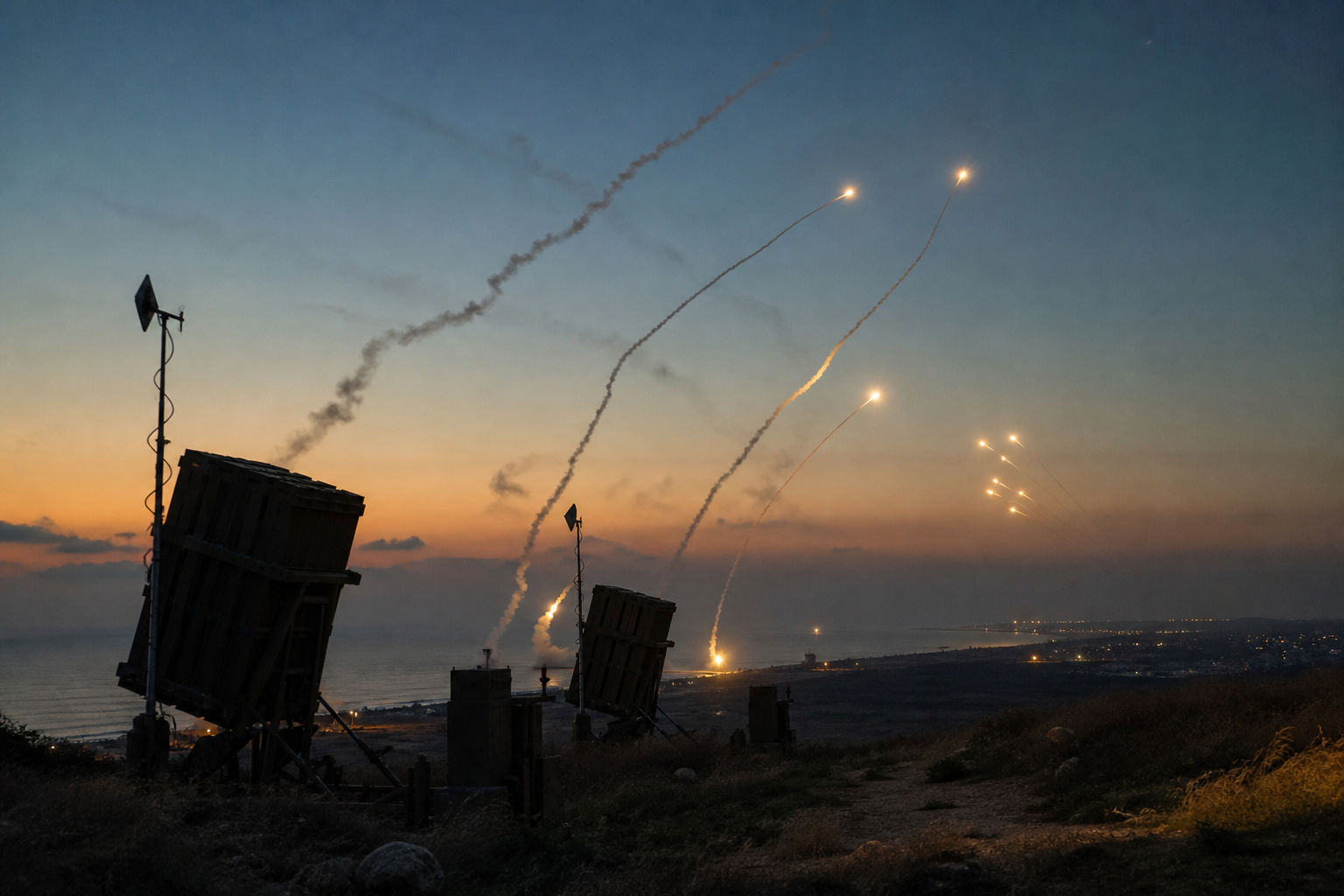
The Israeli military said Hezbollah had launched two explosive drones overnight toward Israeli troops operating near the Ali al-Taher ridge — the strategic highland cluster in southeastern Lebanon where Israel recently claimed to dismantle a Hezbollah tunnel complex and where Defense Minister Israel Katz threatened to “eliminate” anyone approaching. Israeli statements said the Monday strikes targeted people transferring weapons. Lebanese security officials told Reuters that Israel has ramped up lethal strikes on towns north and west of the ridge where residents had returned after the June ceasefire, and that they expect continued escalation in the south in coming weeks.
Sunday’s toll already included at least 11 killed in strikes on three towns near the ridge. Cumulatively, Lebanese authorities say Israeli operations have killed more than 4,300 people in Lebanon since Hezbollah opened rocket fire on Israel on March 2 — two days after U.S. and Israeli strikes on Iran began — triggering Israel’s air and ground offensive. The June ceasefire dramatically reduced violence, but Israeli forces occupying a self-declared security zone have continued razing villages inside that belt and striking both within and north of it.
Kfar Rumman’s death toll matters because it shifts the story from ridge control to urban civilian catastrophe. Katz’s September 14 warning about Ali al-Taher framed the highland as a red line for Israeli troops; Monday’s residential strike answers a different question — how far north of the security zone Israeli fire will reach when drones fly toward those troops. For Hezbollah, unanswered civilian mass casualties risk both domestic legitimacy and Iranian expectations that the “axis” still pressures Israel while Tehran fights the United States over Hormuz.
For Lebanon’s caretaker state, the arithmetic is brutal: returnees who believed the ceasefire made hillside towns livable again are once more calculating flight routes toward Beirut or the Bekaa. International monitors and United Nations channels that condemned earlier Nabatieh-area operations now face another overnight body count without a clear enforcement mechanism. Israel argues self-defense against drones and weapons transfers; Beirut records children under rubble.
A ceasefire that survives only as vocabulary while residential blocks burn is not a settlement — it is a pause with an expiration date written in blast radii. Kfar Rumman on September 14–15 looks like that expiration accelerating.