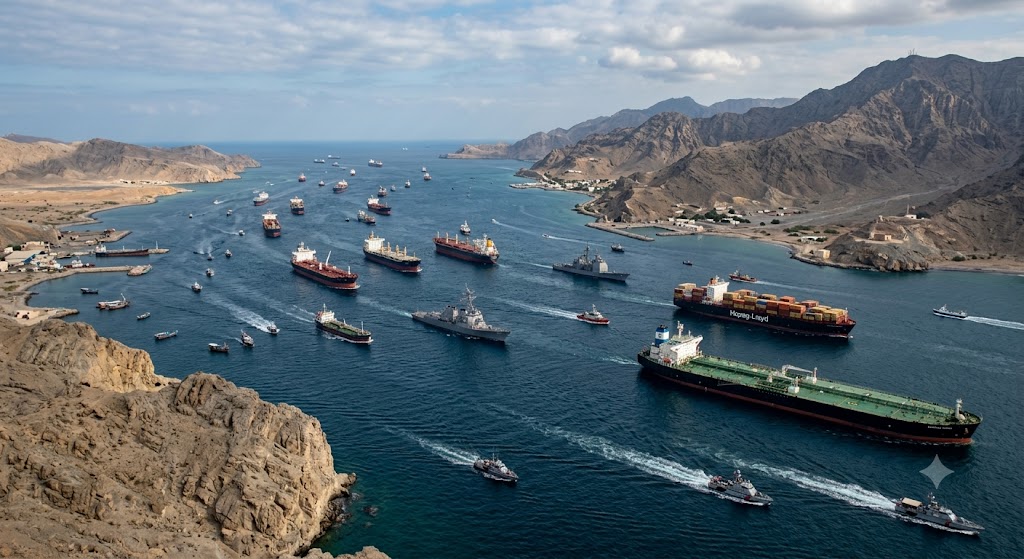
The Strait of Hormuz, one of the world’s most critical maritime chokepoints, remains littered with an estimated 80 sea mines laid by Iran, complicating efforts to fully restore global oil and gas flows following recent conflict in the region. According to Italian and international maritime officials, clearing operations—once they begin—will require advanced naval capabilities and could take around two months, with additional delays for evacuating hundreds of stranded vessels.
Italian Joint Operations Command chief Giovanni Iannucci told lawmakers that dozens of sophisticated mines are present in the roughly 104-mile-long strait. Removing them demands expertise not widely available, pointing to a multinational effort involving specialized minesweepers. The International Maritime Organization (IMO) estimates the total closer to 80, with Secretary-General Arsenio Dominguez noting that evacuating around 500 stranded ships and crews must precede full demining. That evacuation phase alone could take a few weeks, but progress has been paused following recent Iranian attacks on shipping.
Strategic and Logistical Challenges
The Strait of Hormuz connects the Persian Gulf to the Gulf of Oman and handles roughly 20-30% of global seaborne oil and significant volumes of liquefied natural gas (LNG) and other commodities. Mines laid during the February 2026 escalation between Iran, the U.S., and Israel have effectively disrupted free navigation, driving up insurance costs and forcing rerouting that adds time and expense to global supply chains.Italy has positioned assets for the mission, with European partners including France, Germany, and the UK also preparing minesweepers and supporting vessels. U.S. forces have already conducted limited searches and escorted vessels through the area, with President Donald Trump noting ongoing American assistance. However, European participation hinges on assurances that a fragile U.S.-Iran ceasefire will hold. (stripes.com)
Earlier Pentagon assessments had suggested clearance of even 20+ mines could take up to six months in a worst-case scenario. The sophistication of the mines—potentially including advanced contact, influence, or drifting types—adds complexity, requiring a combination of traditional minesweepers, remotely operated vehicles, and underwater drones.
Broader Geopolitical Context
The mine threat emerged amid Iran’s responses to strikes on its territory and shipping. Recent indirect U.S.-Iran talks in Doha, Qatar, continue, but a key dispute persists: Iran’s push to impose tolls on transiting vessels versus the long-standing principle of free passage. Attacks over the weekend on commercial ships and U.S. sites, followed by U.S. retaliatory strikes, further tested the ceasefire.
Planning for a longer-term multinational security mission is underway.
Analysts warn that a full stabilization effort could last years, involving not just demining but ongoing patrols to deter future threats.Economic and Global ImplicationsFull reopening of the strait is vital for energy markets. Disruptions have already contributed to volatility in oil prices and shipping rates. Successful clearance would ease pressure on global supply chains strained by rerouting around Africa or other alternatives.Iran has at times signaled willingness to handle aspects of clearance itself, though international offers from European and other nations focus on coordinated, neutral operations. Progress depends heavily on diplomatic breakthroughs in the ongoing indirect talks.As of early July 2026, no firm start date for major demining has been set. Officials emphasize caution: rushing operations risks accidents, while delays prolong economic pain worldwide. The coming weeks of negotiations and preparatory evacuations will determine how quickly one of the planet’s most vital waterways can return to safe, unrestricted use. The situation remains fluid, with military and diplomatic developments closely watched by energy traders, shipping firms, and governments alike.