Italy Offers More Red Sea Ships if Europe Matches Aspides
Defence Minister Crosetto says Rome will expand the EU escort mission only if partners send modern warships; Italy already aids Saudi air defenses.
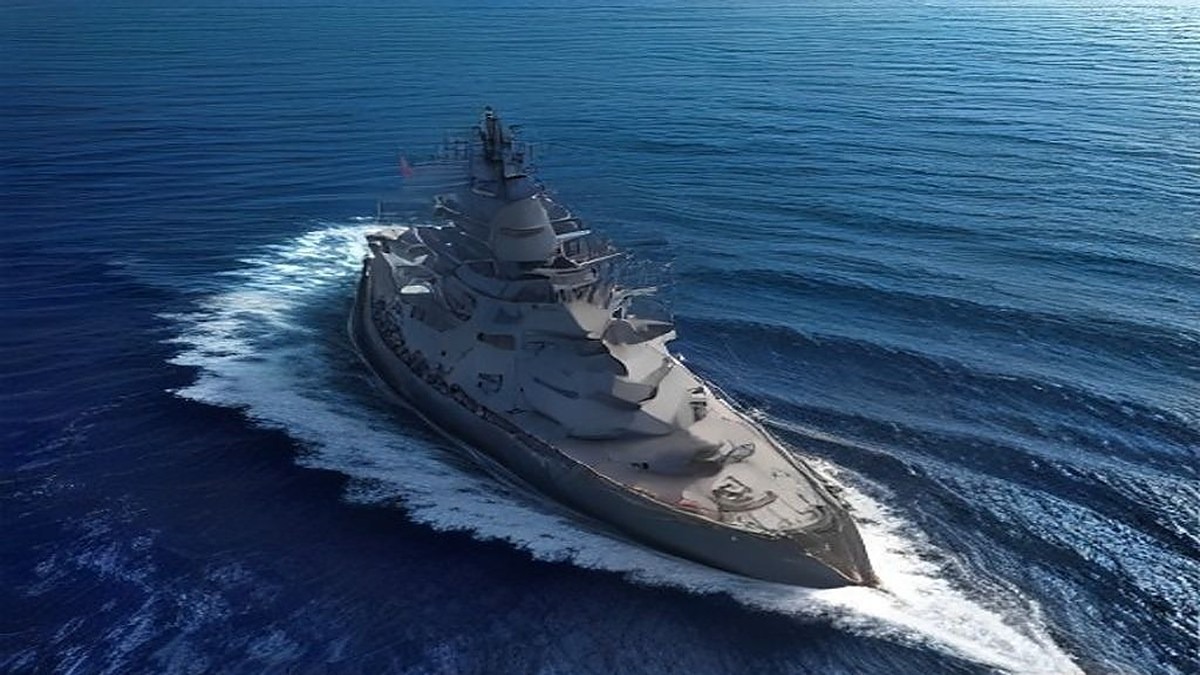
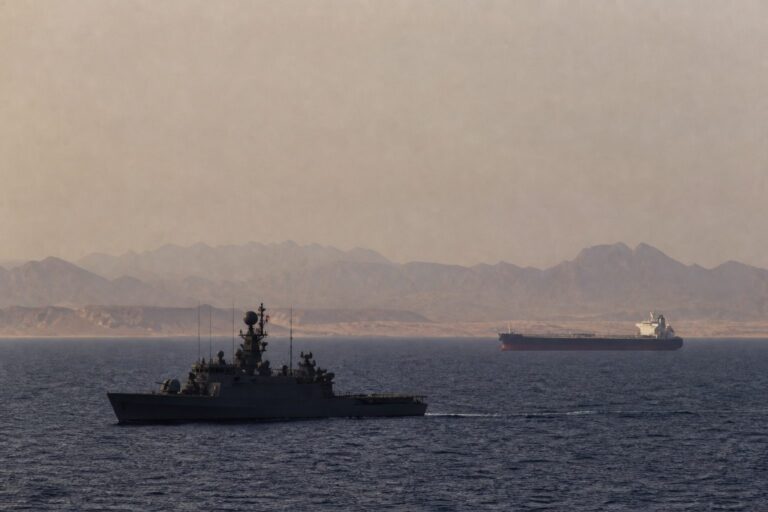
ROME — Italy is willing to increase its contribution to the European Union’s Aspides naval mission in the Red Sea, but only if other European governments match that commitment with modern warships, Defence Minister Guido Crosetto told The National in an interview published October 2.
Crosetto said Italy has kept a ship on Aspides “from the very beginning” and remains ready to do more “when we see the same willingness from the rest of Europe.” As of now, he said, the consistent contributors are Italy, Greece and “sometimes France.” EU foreign policy chief Kaja Kallas said last month Aspides needs more than 10 warships; diplomats have described about six currently operating. This week she said two countries had indicated interest in sending ships to counter Iran-aligned Houthi strikes.
Not just any hulls
Crosetto insisted reinforcements cannot be aging platforms. “They cannot just be any ships. They have to be modern ships, with the technological capabilities and speed required,” he said—top-class units, not forty-year-old ships lacking sensors and weapons needed against drones and anti-ship missiles. The warning lands as Houthis have pressed along Yemen’s Red Sea coast and struck at Saudi energy infrastructure, raising fears of deeper disruption to fuel routes already strained by the Iran war and Hormuz constraints.
About 40 percent of Italy’s international trade passes through the Suez Canal and Red Sea, Crosetto noted, framing Aspides as national economic security rather than optional solidarity. Saudi Arabia has leaned on Red Sea export routes through Yanbu when Hormuz flows tightened; Bab el-Mandeb remains the southern chokepoint linking Asian-European trade via Suez.
Saudi air defense and Gulf ties
Italy, Crosetto said, answered Saudi Arabia’s request for help early in the wider Middle East war, sending radars, anti-missile batteries and technical assistance against Iranian attacks and later Houthi strikes. Rome also staged minehunters in Djibouti for a possible Hormuz role before bringing them home when no suitable operation materialized. He called for a larger European role in stabilizing both Hormuz and Bab el-Mandeb, arguing the twin-strait crisis is already hitting European industry and households.
Lebanon mission in parallel
Separately, Crosetto said Italy is preparing a mission that could replace UNIFIL as the U.N. force begins a mandated wind-down at the end of 2026, but only inside an international framework agreed with the United States and other contributors. Israel opposes simply extending UNIFIL under current rules, he said; Italy prefers an evolved presence that trains the Lebanese Armed Forces and helps them impose state authority—language that echoes Lebanese Prime Minister Nawaf Salam’s October 2 “one army” message covered elsewhere today.
For NATO Europe, Crosetto’s interview is a burden-sharing stress test. Secretary General Mark Rutte has argued Europe should eventually handle Houthi and Red Sea risks itself rather than rely on U.S. carrier groups tied down near Iran. Italy is volunteering more hulls—with a price: others must show up with comparable ships, or Aspides stays a thin escort screen while trade and energy risk compound.
Sources
- The National: Italy willing to boost Aspides if Europe matches
- CNBC: Saudi coalition alleges Houthi drone hit on Medina power station