Projectile Hits Tanker in Strait of Hormuz; Fire Reported
UKMTO cites a third-party report of an unknown projectile strike and fire; crew safe, ship unnamed, as US-Iran talks stay deadlocked.
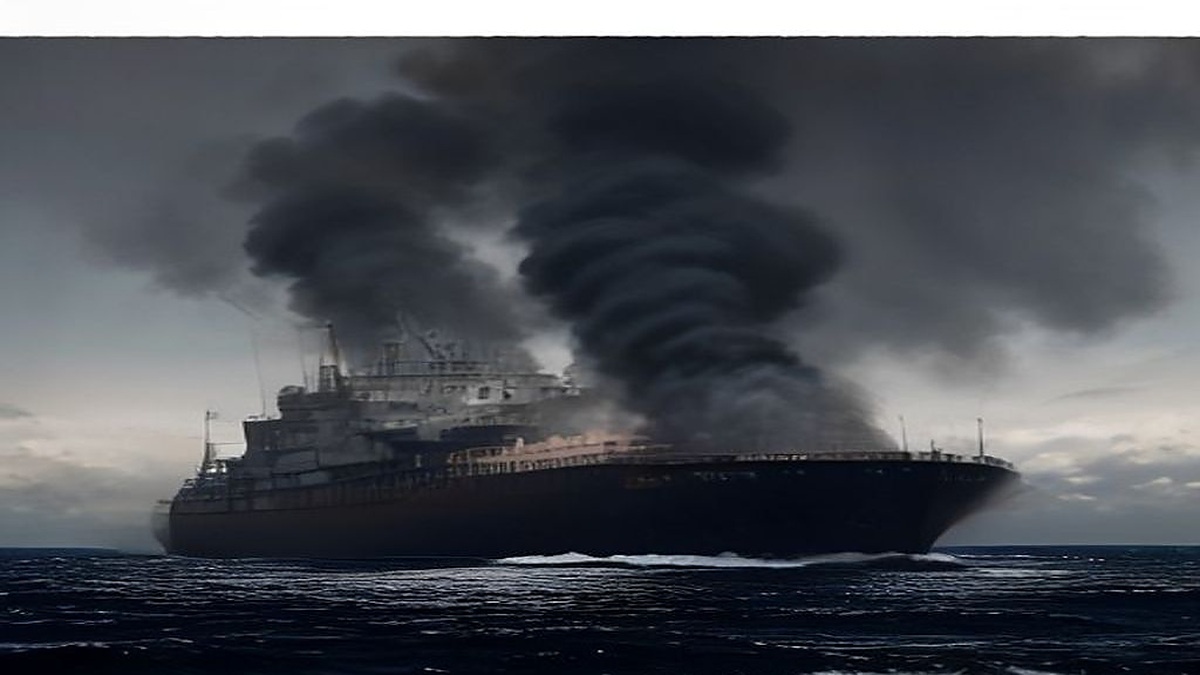
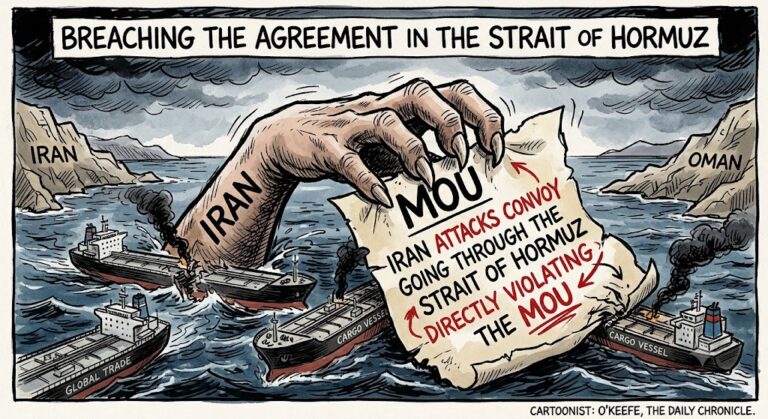
DUBAI — An unidentified projectile struck a tanker in the Strait of Hormuz overnight into October 2, sparking a fire aboard the vessel, the United Kingdom Maritime Trade Operations center said, in a reminder that the waterway remains hazardous even while Washington and Tehran trade carrier deployments and sanctions lists.
UKMTO said it received a third-party report—not a direct crew call—that a tanker was hit while transiting Hormuz and that a fire resulted. Crew members were reported safe. The agency gave no vessel name, flag, or attribution for the attack and said it had no information on marine pollution. RBC-Ukraine and other outlets carried the advisory Friday morning; CNBC also noted the UKMTO warning alongside reporting on the U.S. third-carrier deployment.
Blockade, proposals and a live strait
The incident lands amid a months-long U.S.-Iran confrontation that began with strikes in late February. After early fighting, Iran tightly controlled Hormuz traffic; in April President Donald Trump announced a U.S. blockade of the strait. A late-June pause reduced mutual attacks without restoring normal tanker patterns. Last week Tehran floated a seven-day plan, via Qatar, to reopen Hormuz in exchange for sanctions relief, unfrozen assets and an end to strikes—terms Trump rejected. Indirect talks in New York collapsed; Secretary of State Marco Rubio reportedly ordered Iran’s foreign minister to cut short his stay.
Against that backdrop, even a single unattributed projectile matters. Insurers, charterers and naval planners treat Hormuz risk as cumulative: each fire, near-miss or AIS dark period raises premiums and pushes more barrels onto longer Cape routes. Treasury claims that Iran loaded no crude in September, if borne out, show how thoroughly seaborne Iranian exports have been squeezed—yet the strait still carries third-country traffic that can be hit by miscalculation, proxies or deliberate signaling.
Who benefits from ambiguity
UKMTO’s refusal to name a perpetrator leaves three overlapping possibilities: Iranian or IRGC-linked action, a proxy strike, or an attack by another actor seeking to spoil diplomacy. Tehran has incentives to show it can still raise costs without owning a tanker hit that invites U.S. retaliation just as a third U.S. carrier strike group steams toward the region. Washington has incentives to treat any fire as proof that pressure must continue. Gulf Arab producers caught between Houthi Red Sea attacks and Hormuz friction face a dual-chokepoint problem Italy’s defence minister highlighted the same day.
Shipping reality check
Until UKMTO or a flag state releases the ship’s identity and damage assessment, analysts should avoid overclaiming. What is established is narrower and still significant: a projectile strike, a fire, a safe crew, and an official maritime advisory on October 2 inside the world’s most sensitive energy corridor. Paired with the Theodore Roosevelt deployment and new U.S. auto-and-rail sanctions, the fire undercuts any narrative that Hormuz has gone quiet while negotiators argue over sequencing. For as long as blockade politics and nuclear demands remain deadlocked, merchant crews will keep steaming through a strait where “unknown projectile” is again an operational category.
Sources
- RBC-Ukraine: UKMTO tanker struck in Hormuz, fire, crew safe
- CNBC: Notes UKMTO Hormuz tanker incident amid buildup