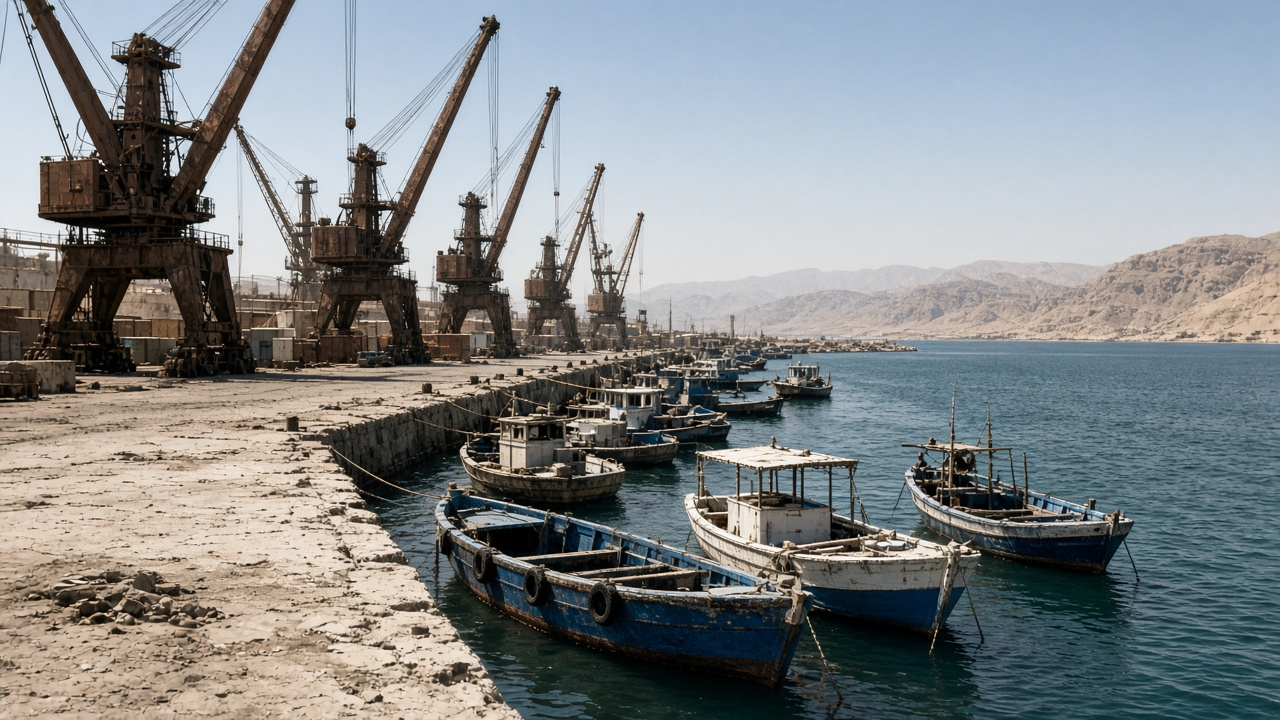
ADEN — September 11, 2026. Iran-aligned Houthi forces seized the Red Sea port city of Mocha (Mokha) from Saudi-backed Yemeni government units, according to Yemeni officials, local witnesses, and reporting by AFP, Al Jazeera, AP, BBC and others—an advance that pushes Ansar Allah closer to the Bab al-Mandab Strait and gives Tehran a second maritime lever while Hormuz remains contested. Mocha sits roughly seventy to eighty kilometers from the strait’s narrow approaches. Parallel claims described Houthi pressure on nearby islands, including reports of moves around Zuqar / Hanish and, in some accounts, toward Mayyun (Perim) as government forces withdrew south.
Houthi spokesperson Mohammed Abdul-Salam insisted Red Sea and Bab al-Mandab navigation remained “safe and regular,” while leaving intact the group’s maritime ban on Saudi shipping announced in July. That dual message—reassure global trade, keep punishing Riyadh—is classic coercive theater: calm the insurers enough to avoid a total Red Sea shutdown, keep enough Saudi-specific risk to matter for Yanbu-linked oil workarounds that grew after Hormuz tightened. UN Special Envoy Hans Grundberg warned that Mocha’s fall raises serious international concern for freedom of navigation even as fighting remains fluid.
Strategically, Mocha is leverage stacked on leverage. With Hormuz already in a blockade-and-attrition grind, a Houthi foothold on Yemen’s western coast increases Iran’s ability to threaten the southern exit of the Red Sea without committing IRGC surface ships. Analysts cited by Western outlets noted options ranging from denser coastal fires to mining—tools already associated with Gulf denial tactics. For Saudi Arabia, the loss is both a Yemen civil-war reverse and an energy-route problem: Red Sea alternatives to Hormuz look less reliable precisely when Brent is clearing $107. For Washington, Mocha complicates any hope that Iran’s maritime pressure stays bottled in the Gulf.