AP: IRGC Advisers Helped Houthis Seize Yemen’s Red Sea Coast
An AP investigation says IRGC advisers helped Houthi forces seize Yemen’s Red Sea coast, Iran’s most direct battlefield role in Yemen since 2014.
CAIRO / DUBAI — September 23, 2026. Iranian Revolutionary Guard Corps advisers were on the ground helping Houthi forces seize Yemen’s Red Sea coast from pro-government units, according to an Associated Press investigation citing officials and soldiers familiar with the offensive — Tehran’s most direct battlefield role for the Houthis since Yemen’s civil war erupted in 2014.
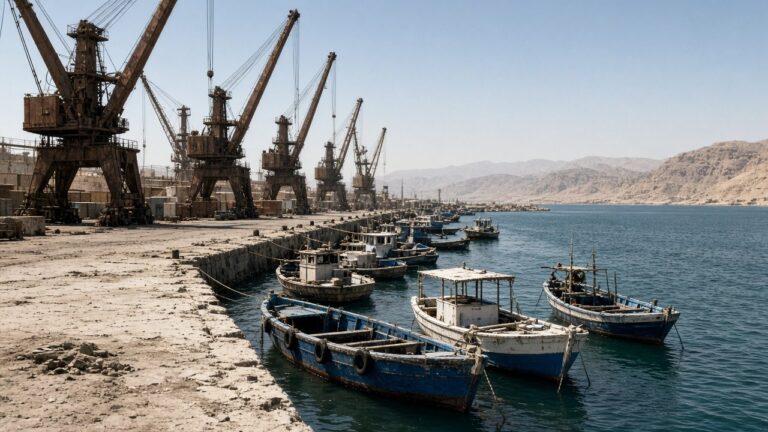
AP reported that IRGC personnel helped plan tactical maneuvers and work with front-line commanders during a rapid advance of roughly 115 kilometers that exploited divisions among Yemeni government-aligned forces. Sources said the Houthis also penetrated National Resistance communications, allowing them to monitor movements and sow confusion. The coastal grab, including the port of Mocha and pressure toward Bab al-Mandab approaches, compressed in days what years of attrition had not delivered.
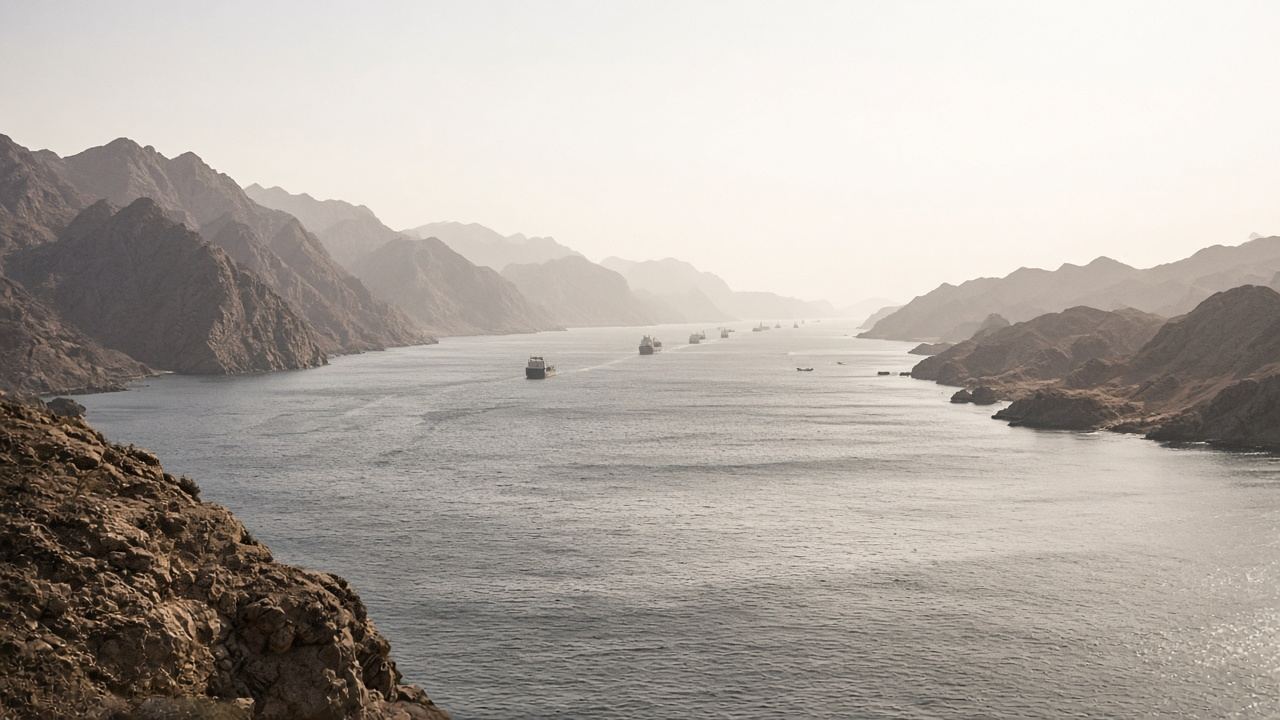
The strategic payoff is leverage across two chokepoints. Houthi control along the Red Sea coast strengthens the ability to threaten shipping through Bab al-Mandab while Iran simultaneously bargains over the Strait of Hormuz at UNGA. Saudi-linked vessels have already faced elevated risk; VLCC avoidance patterns since early September and higher insurance costs show markets pricing the new coastal reality even when Houthi spokesmen claim “freedom of navigation” remains orderly. A closed or intimidated Red Sea lane compounds Hormuz disruption for global energy flows.
Escalation in Attribution for Washington and Riyadh
For Washington and Riyadh the AP account is an escalation in attribution, not only geography. U.S. officials have been reluctant to reopen a major Yemen air campaign while Iran war diplomacy and Patriot scarcity dominate bandwidth; Trump last week halted planned Houthi strikes after a Riyadh ballistic intercept drama. Direct IRGC field advising makes the Houthis harder to treat as a purely local militia. It also hands Tehran a second maritime pressure point just as Witkoff and Kushner talk Hormuz reopen terms with Araghchi in New York.
Yemen’s internationally recognized government and UAE-backed formations lost cohesion under the blitz; Lt. Gen. Tariq Saleh’s National Resistance reportedly fled toward Saudi cover as equipment stockpiles were overrun. Fighting continues inland around Taiz, Lahij and approaches that could threaten the corridor between Bab al-Mandab and Aden. Each additional ridge the Houthis take raises the cost of any future Saudi or U.S. attempt to restore a coastal buffer.
What the September 23 AP reporting measures is Iran’s willingness to put uniformed advisers into a proxy’s decisive land grab while negotiating at the UN. If verified IRGC direction becomes the accepted narrative, Bab al-Mandab joins Hormuz as an explicit Iranian bargaining chip rather than a deniable Houthi sideshow. Shipping lines, Gulf capitals and U.S. planners will treat the Red Sea coast as contested until either IRGC presence is rolled back or a wider war settlement freezes both chokepoints together.
Sources
- WTOP (AP): Yemen’s Houthi rebels shook up the Mideast with a sudden blitz. Iran helped, sources tell AP
- The Hindu: Iranian advisers helped Houthis seize Yemen’s Red Sea coast in less than 48 hours: report
- Ynetnews: Report: Iranian advisers helped direct Houthi blitz that seized Yemen’s Red Sea coast