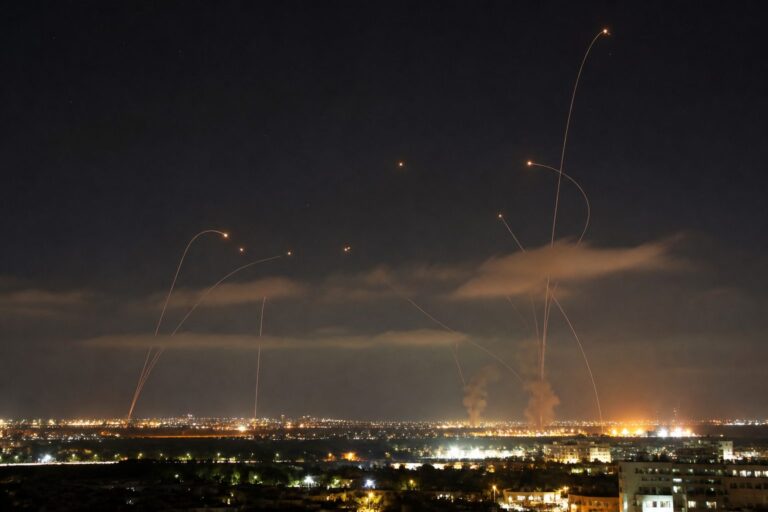
Ukrainian Drones Force Novoshakhtinsk Refinery Shutdown
A Ukrainian drone strike halted Russia’s Novoshakhtinsk refinery in Rostov Oblast as Moscow claimed dozens of drones downed over southern Russia.
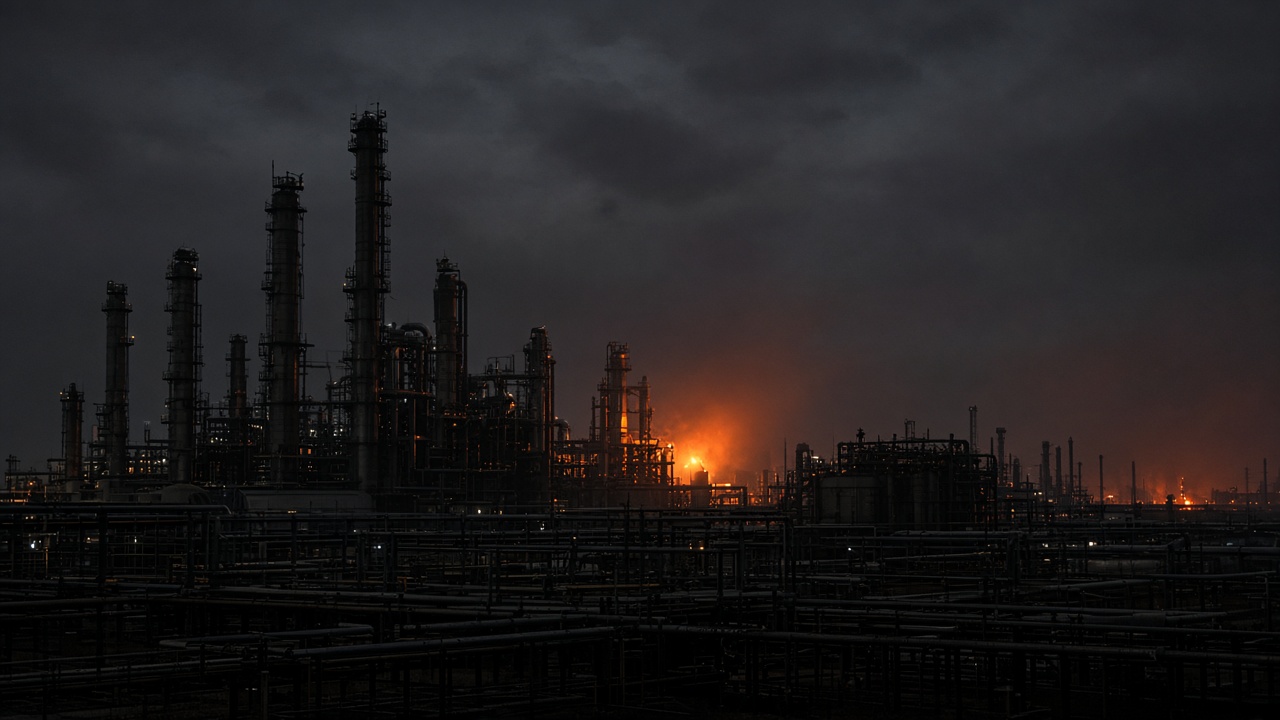
ROSTOV-ON-DON / KYIV — September 25, 2026. A Ukrainian drone strike forced Russia’s Novoshakhtinsk oil refinery in Rostov Oblast to suspend operations, regional officials said, as Moscow claimed dozens of drones were destroyed over southern Russia in a night of reciprocal long-range attacks that also produced competing claims around industrial sites farther east.
Rostov Governor Yury Slyusar and industry reporting said the relatively small Novoshakhtinsk facility halted processing after overnight unmanned aerial vehicle hits caused damage. Russian air-defense summaries circulating in regional and international media spoke of roughly 50 drones destroyed over the oblast, a figure that, even if inflated, signals the density of Ukraine’s deep-strike tempo against refining and logistics nodes. Separate Ukrainian and Western accounts described additional pressure on refining infrastructure, including reports of fire-related disruption linked to the Lukoil-Permnefteorgsintez complex in Perm — claims Russian officials have at times narrowed to generic “industrial facility” language.
The Novoshakhtinsk hit fits Kyiv’s months-long campaign to trade Russian missile nights for Russian fuel margins. Smaller inland and southern refineries matter less for export volumes than for domestic product balance and military logistics; forcing even temporary shutdowns multiplies maintenance backlogs and tanker diversions. Russia, for its part, used the same night to push nearly 300 drones into Ukraine, killing civilians in Kyiv and elsewhere, underscoring that deep strike has become a two-way attritional language rather than a one-sided Russian specialty.
Attribution remains contested in the fog of competing ministries. Ukrainian officials rarely confirm specific refinery target packages in real time; Russian governors confirm damage when local economies and emergency services force the issue. What is not contested is the strategic pattern: Ukraine is willing to burn scarce long-range drones on Russian energy nodes, and Russia is willing to answer with mass Shahed waves on Ukrainian cities. Until either side’s magazine or air defenses break the cycle, Rostov’s overnight shutdown is another data point in a refining war measured in days offline, not press releases.
Sources
- Meduza: After Ukraine’s overnight attack, Novoshakhtinsk oil refinery halts operations
- The Straits Times: Russia’s Novoshakhtinsk oil refinery suspends operations after drone attack, governor says
- bne IntelliNews: Missile War Monitor: Ukrainian drones halt Russia’s Novoshakhtinsk refinery as Russia sends 295 drones at Ukraine
Related coverage
- Russia Launches 295 Drones on Ukraine, Killing a Kyiv Teenager as Air Defenses Claim 267 Intercepts
- Russia Unleashes 282 Drones and Zircon Missiles on Ukraine, Killing Eight as Zelenskyy Cites 60% Ballistic Intercepts
- Russia Unleashes Overnight Mass Strike on Ukraine; Kyiv High-Rise Hit as 165 Drones Downed