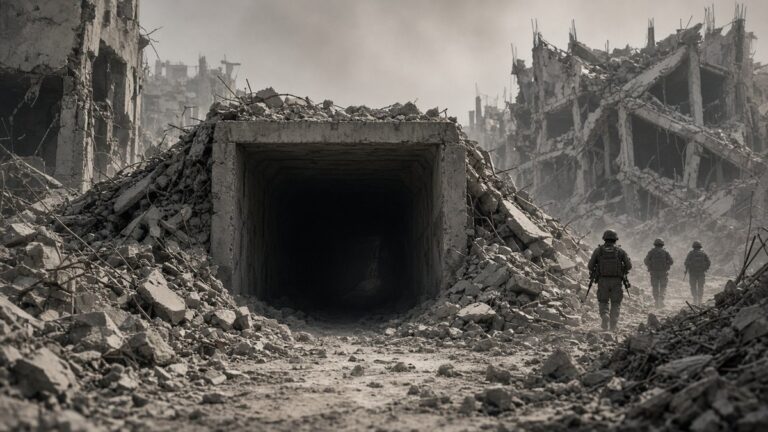
Trump Threatens Iran as Nuclear Demands Return to Talks
After Tehran says it received a U.S. reply on Hormuz, Trump warns he could ‘blow them up’; aides push nuclear limits as Pezeshkian seeks a win-win deal.
DUBAI / WASHINGTON — A day after Iranian officials said they had received a formal U.S. reply to Tehran’s seven-day Iran nuclear Hormuz dispute after Tehran’s Strait of Hormuz proposal, President Donald Trump threatened to “blow them up” if Washington and Tehran do not forge a deal soon, while Iranian President Masoud Pezeshkian told his Cabinet that any agreement must be “win-win.”
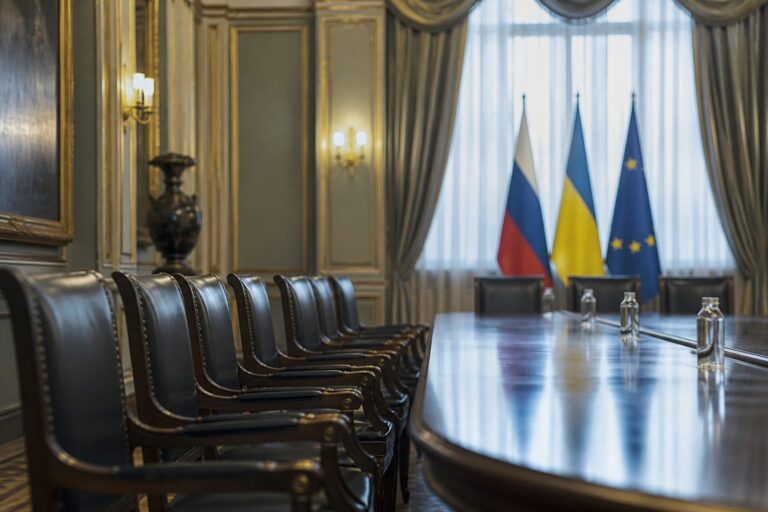
Government spokesperson Fatemeh Mohajerani said Foreign Minister Abbas Araghchi presented the U.S. response to Pezeshkian at a Cabinet meeting after Araghchi’s return from New York, where indirect contacts with U.S. negotiators and Qatari and Pakistani mediators continued on the sidelines of the U.N. General Assembly. Iranian officials did not publish the text of Washington’s reply. Trump had publicly rejected Tehran’s plan days earlier, calling it unacceptable even as mediators kept channels open, according to Associated Press reporting carried by The Hindu BusinessLine on October 1.
Nuclear demands return as Hormuz leverage frays
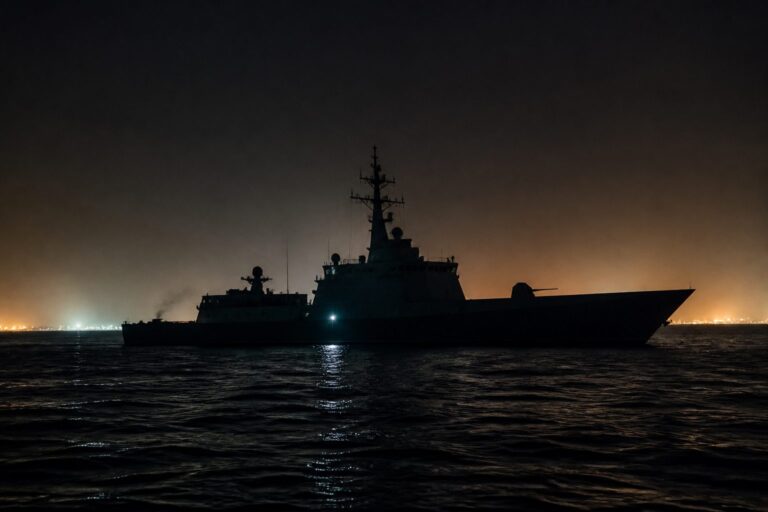
The exchange lands as both capitals claim escalation dominance. An October 1 Soufan Center brief argued that Trump aides, citing restored Gulf energy flows—JP Morgan and Goldman Sachs assessments of more than 95 percent of pre-war volumes were cited by the Center—have shifted emphasis from merely reopening the Strait toward extracting nuclear limits. Iranian officials, by contrast, insist nuclear talks cannot precede relief from the U.S. naval blockade of Iranian ports, asset freezes and oil sanctions that underpinned Araghchi’s seven-day roadmap.
That sequencing fight is the same structural dispute Peter’s World tracked on September 30, but the October 1 package adds sharper presidential threats and a clearer U.S. pivot back to the nuclear file that originally justified the war. Soufan reported shipping observers’ claims that the IRGC may have fired on tankers attempting transit, underscoring hardliner pressure against any perception that Hormuz can be secured without Iranian consent. Iranian state-linked messaging has also claimed U.S. warships pulled farther into the Arabian Sea—an assertion Washington has not endorsed.
Economy, midterms and mediated next steps
Tehran’s rial hit a new low near 2.5 million to the dollar this week, AP noted, as Treasury’s “Operation Economic Outcast” continued to squeeze Iranian aviation and banking channels after Tuesday’s sanctions on alleged arms procurement networks. Trump told reporters the conflict would end “very soon, one way or the other,” while separately signaling he expects the war to stretch past the November 3 U.S. midterms—an inconsistency Iranian media and Western analysts alike read as bargaining theater.
Pezeshkian’s “win-win” line and Araghchi’s earlier readiness for both diplomacy and a resumed “doomsday war” leave little middle ground. For energy markets and Gulf Arab producers already routing more crude around the chokepoint, the rhetoric matters less as a timetable than as a stress test of whether Qatari mediation can survive mutual maximalism. Without a published U.S. counter-text and with IRGC warnings that the Strait remains contested, the next mediated round will have to bridge not only sequencing but two incompatible victory narratives.
Sources
- AP via Hindu BusinessLine: Iran receives official US response; Trump threat
- Soufan Center: Dueling perceptions cloud US-Iran conflict resolution
- Middle East Monitor: Tehran receives US response; differences on implementation