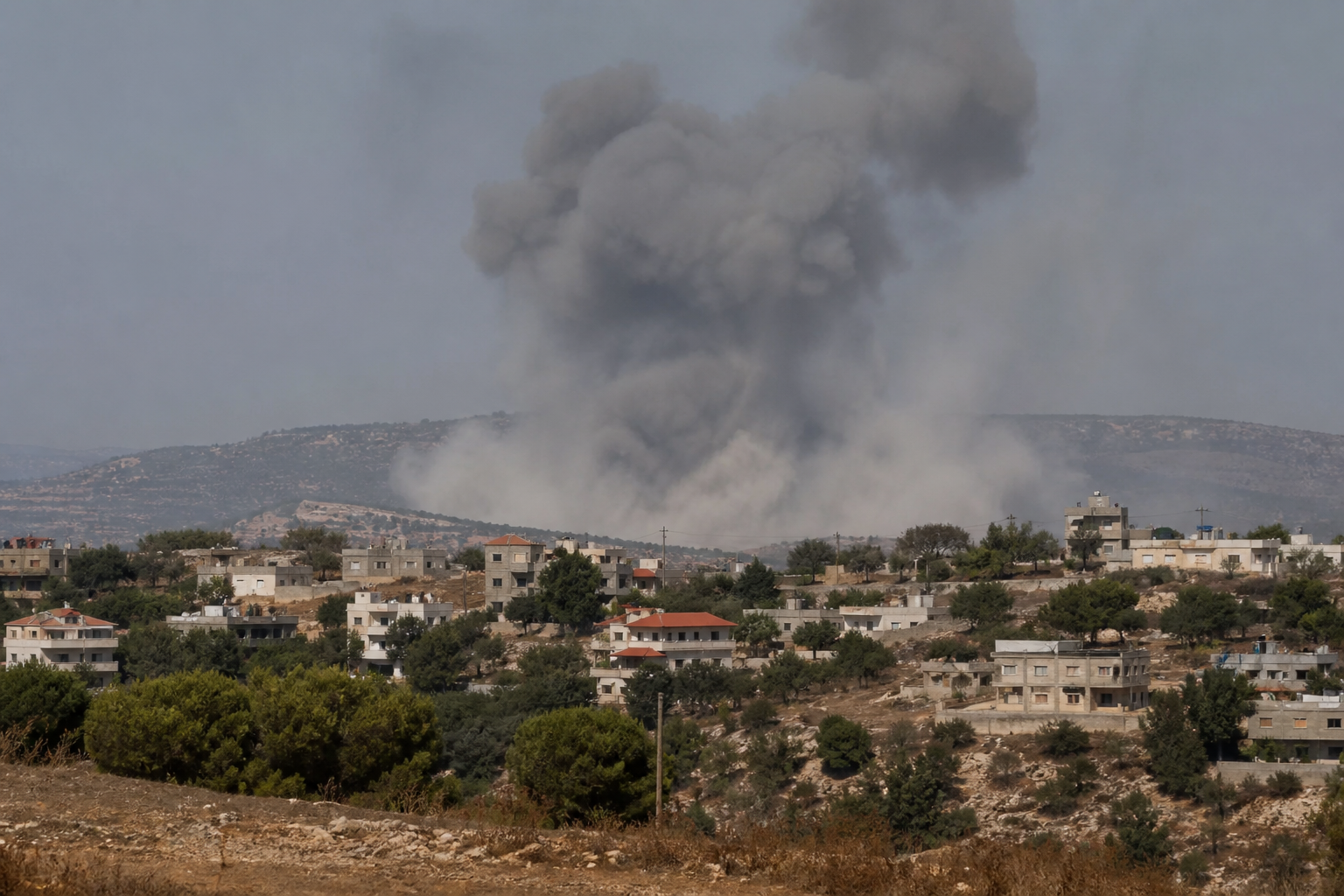
KYIV — September 8, 2026. Ukrainian President Volodymyr Zelenskyy said U.S. envoys Jared Kushner and Steve Witkoff presented “very good, worthwhile ideas” for ending the war with Russia during their weekend visit to Kyiv, and that he hopes to meet President Donald Trump within about two weeks—around the United Nations General Assembly in New York. The comments, delivered in audio answers to reporters and carried by the Associated Press, were the most upbeat public readout Kyiv has offered since the inconclusive Moscow and Kyiv shuttle, even as overnight Russian strikes killed civilians in the capital.
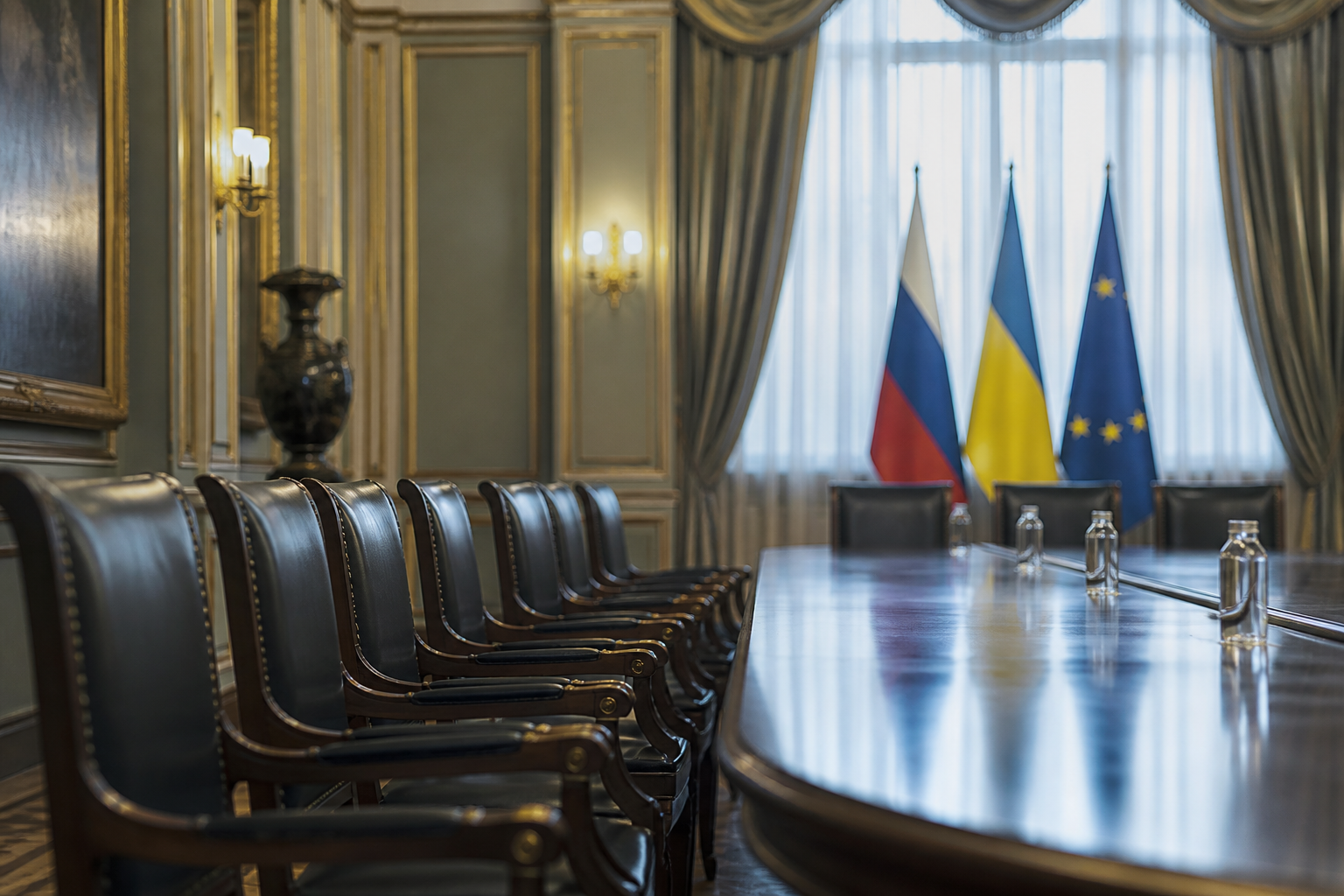
Zelenskyy thanked Washington for trying to unblock negotiations that have barely moved since early this year, and said he will press Trump for more Patriot air-defense systems to counter Russian ballistic missiles. He kept the substance of Kushner’s “peace package” under wraps but expressed hope that trilateral talks among Ukraine, Russia, and the United States could still take place in the fall. Ukraine, he added, is ready to explore compromise on grain exports and energy—two sectors both sides have hammered with Black Sea and energy-infrastructure strikes.
Moscow’s tone was colder. Kremlin spokesman Dmitry Peskov told reporters Russia remains determined to achieve its goals and is “very confident” in its military potential, while insisting Moscow still welcomes Trump’s diplomatic efforts. That dual message—victory rhetoric paired with willingness to talk—tracks Putin’s long-running attempt to negotiate from a position of claimed strength. Western assessments remain skeptical: the Institute for the Study of War recently argued that Russian forces advancing at current rates would not seize Donetsk until 2032, if at all.
The gap between Zelenskyy’s carefully optimistic framing and Tuesday’s missile barrage is the real story. Witkoff had called the Kyiv discussions “meaningful” and “substantive” after the visit; a White House official told Reuters that next steps would be announced in the coming weeks. Whether those steps include a Trump-Zelenskyy meeting near September 20—and whether any of the “worthwhile ideas” survive contact with Russian red lines—will decide if this weekend’s diplomacy was a pause between air campaigns or the start of a serious autumn process.