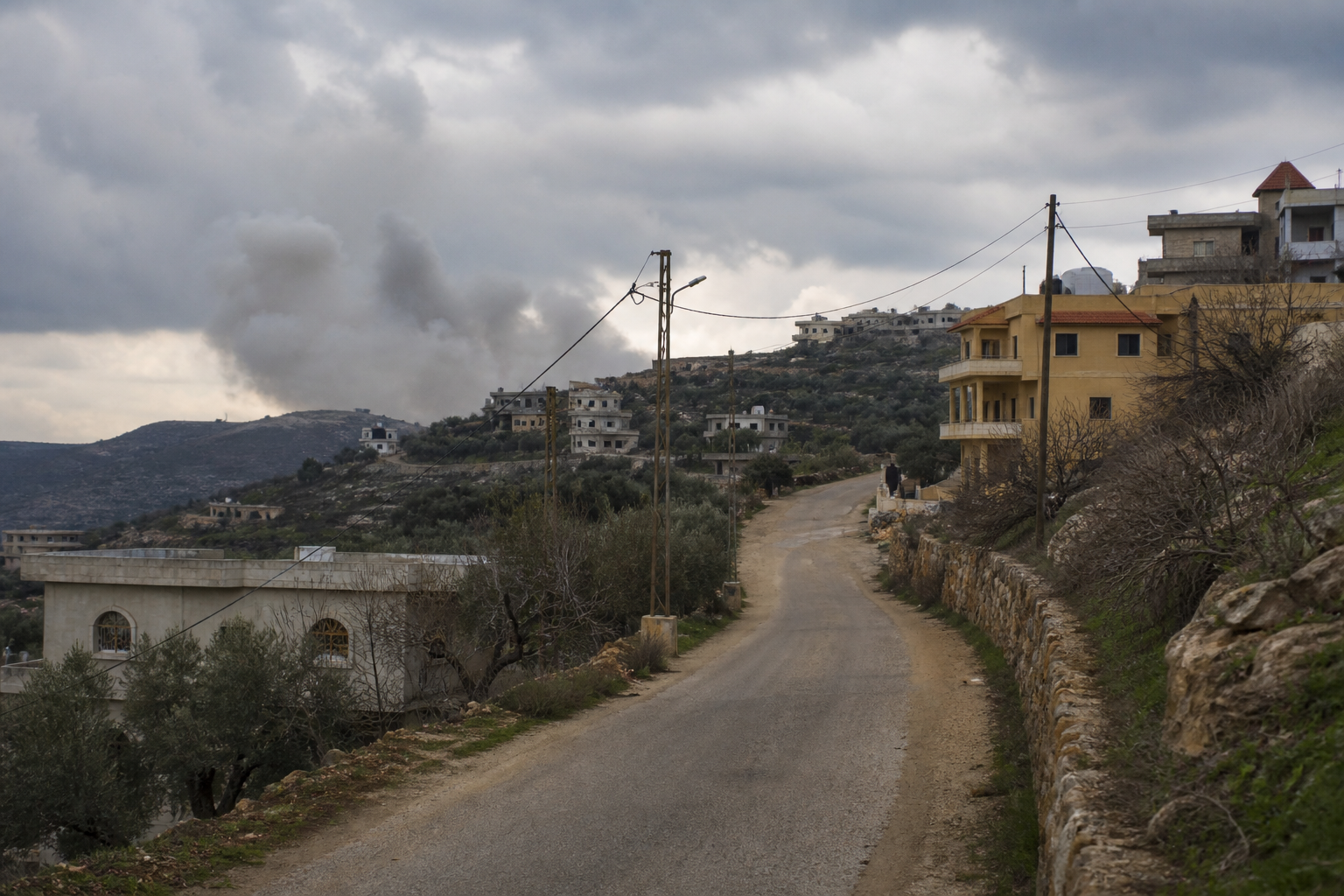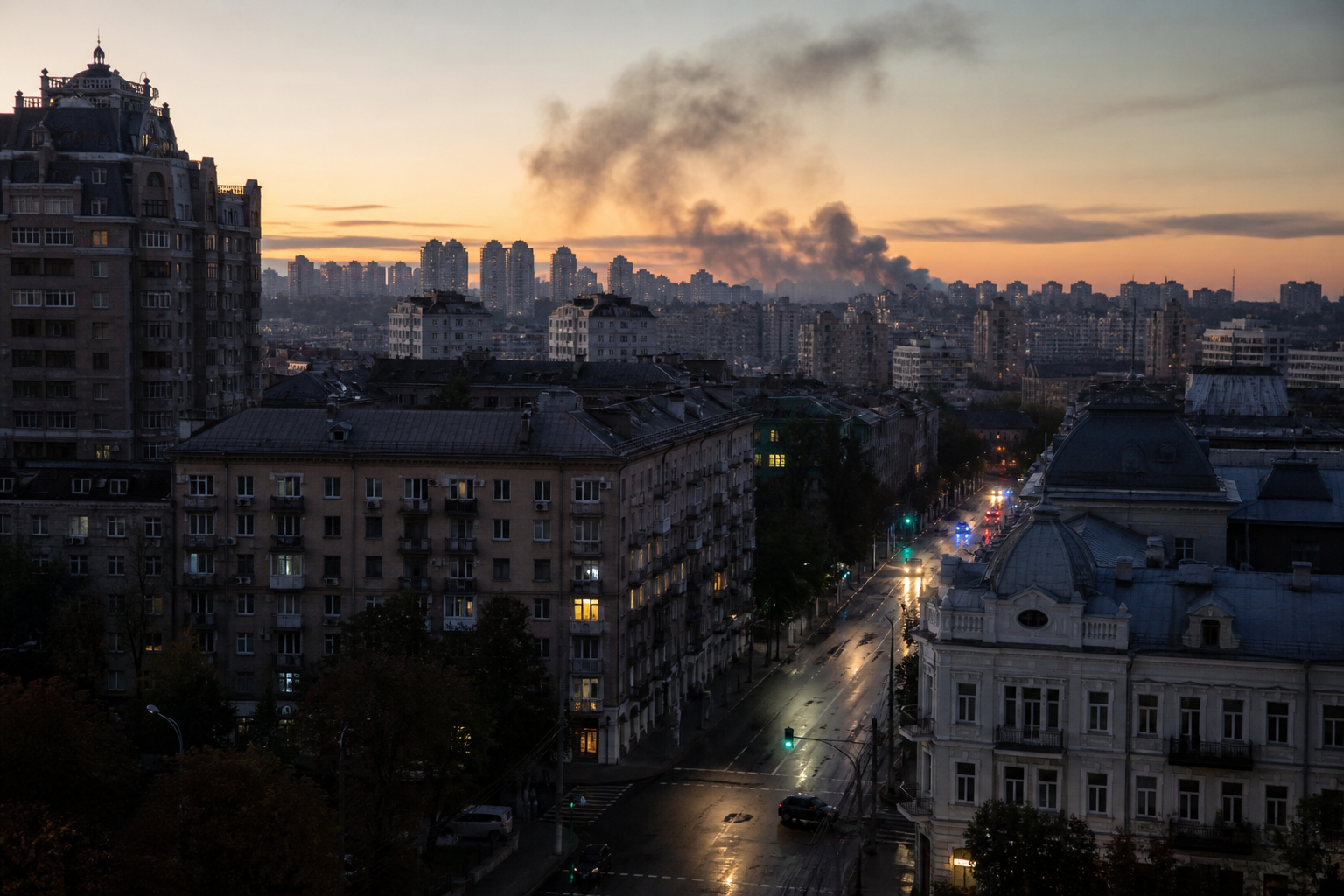
KYIV — September 8, 2026. Russia resumed ballistic-missile and drone strikes on the Ukrainian capital in the early hours of Tuesday, ending a three-day pause on attacks against Kyiv that had coincided with visits by U.S. envoys Steve Witkoff and Jared Kushner. Kyiv Mayor Vitali Klitschko reported ballistic missile impacts, fires across multiple districts, and people trapped in damaged residential buildings. Ukraine’s State Emergency Service said damage and fires spread through at least five districts; later tallies from the Kyiv City Military Administration put the toll at two killed and at least seven injured in the capital alone.
Ukrainian Foreign Minister Andrii Sybiha called the assault “a horrific attack” and accused Putin of undermining U.S. peace efforts, writing that ballistic missiles “speak louder than his words on diplomacy.” The Russian Defense Ministry claimed it had struck military-industry and logistics sites, including facilities linked to drone and cruise-missile storage and infrastructure at the port of Chornomorsk in the Odesa region. Interior Minister Ivan Vyhivskyi said explosions continued for nearly five hours and that more than fifty sites in Kyiv were damaged, among them residential buildings, schools, shops, and a flour plant.
The rebound to mass strikes after a weekend of high-profile diplomacy leaves Washington with a familiar problem: envoys can open channels, but neither capital has yet shown it will hold fire when the cameras leave. For Kyiv’s residents, the message was simpler. The three-day pause was never a ceasefire—and Tuesday’s missiles made that distinction lethal again.
The timing was political as much as military. Russia’s state news agency TASS confirmed that the three-day suspension Vladimir Putin ordered for strikes on the capitals expired Monday evening local time. Fighting had never fully stopped elsewhere, but the overnight barrage on Kyiv—and parallel Ukrainian drone activity reported against civilian infrastructure in Russia’s Saratov region—showed how quickly the limited pause collapsed once the American visitors left. Polish military aviation began operating to protect NATO airspace as explosions were heard in Kyiv, underscoring the spillover risk along the alliance’s eastern flank.