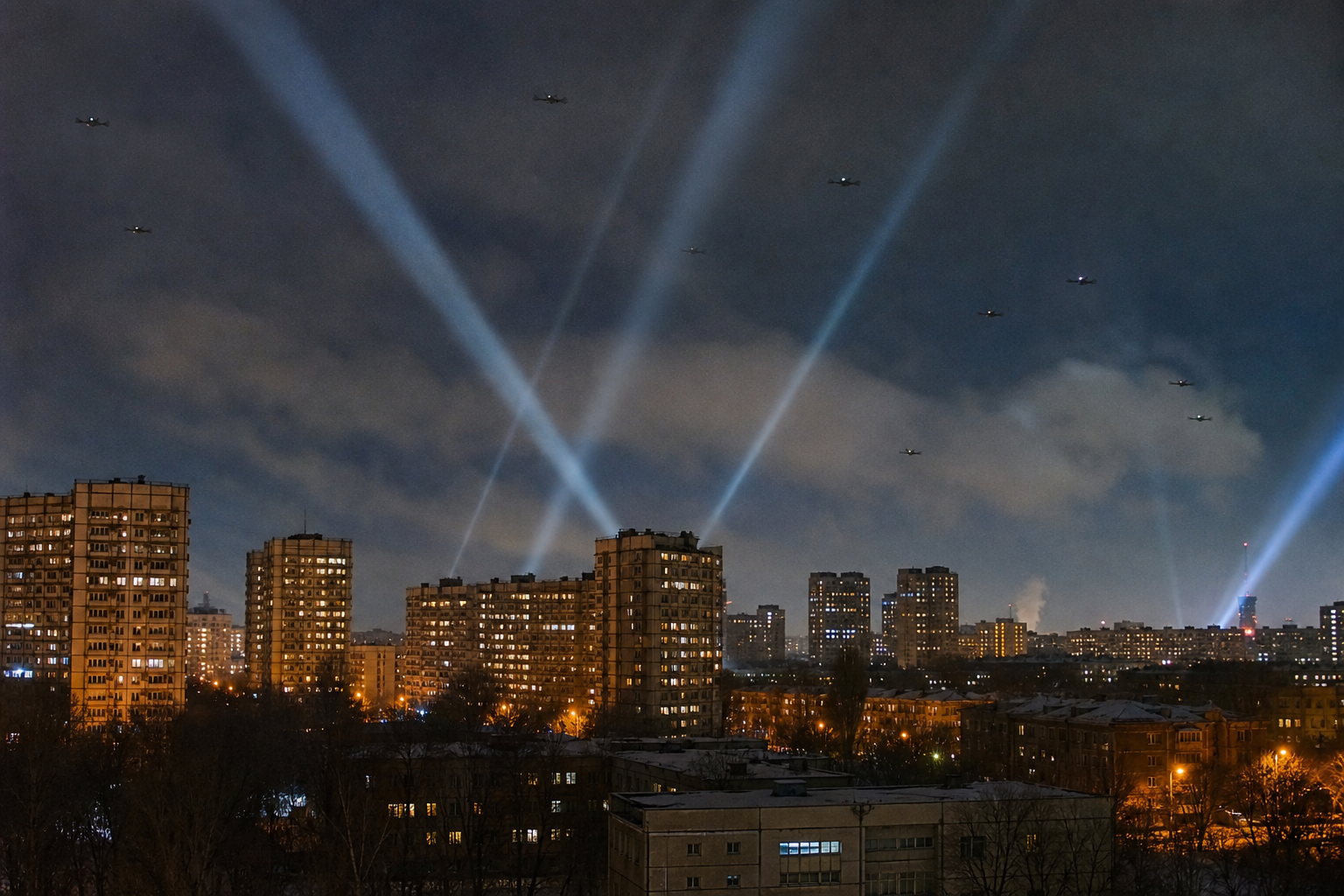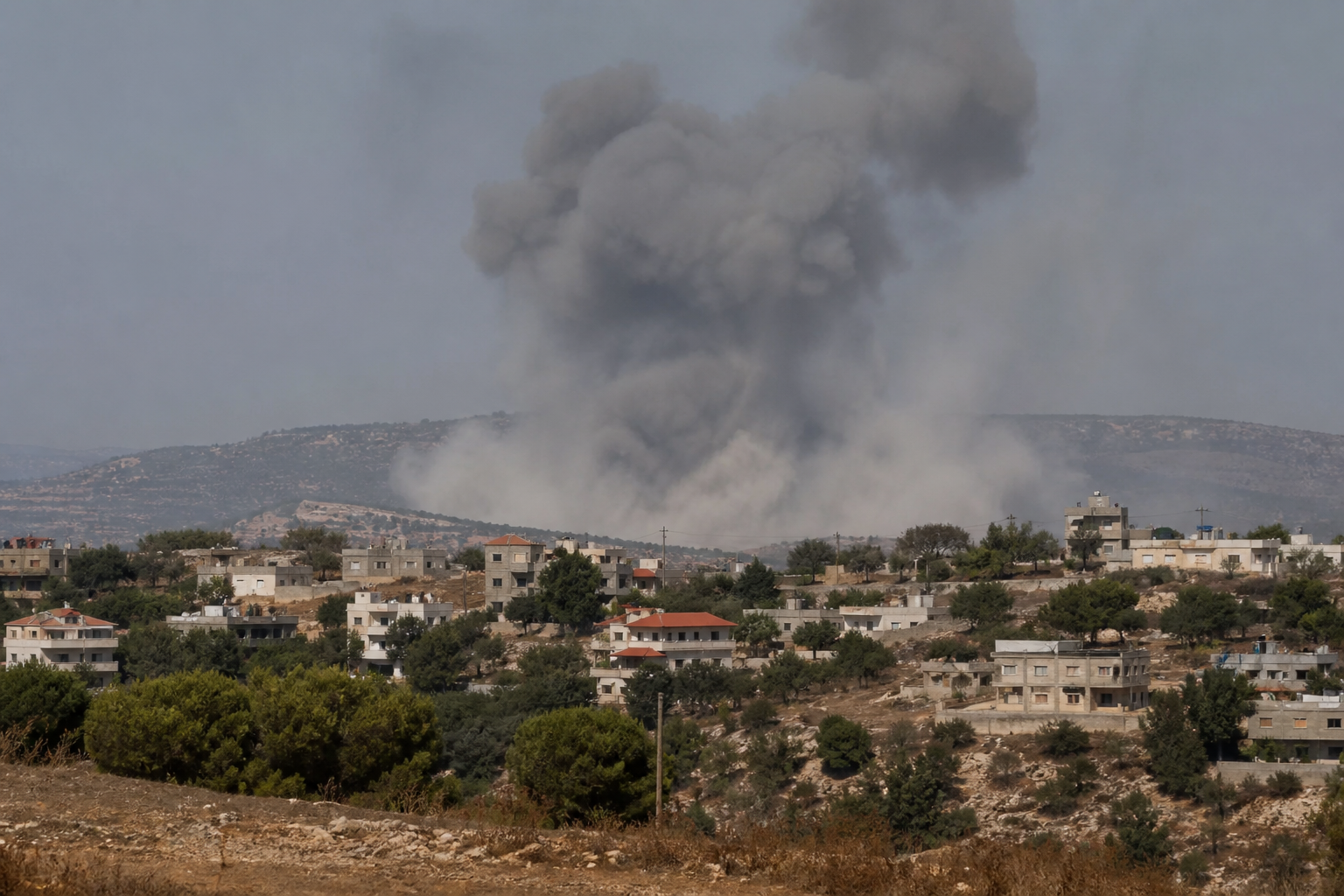
September 6, 2026. Israeli strikes in southern Lebanon killed at least four people and wounded about 20, according to Lebanese authorities, after Israel said Hezbollah launched two explosive drones toward troops inside its self-declared security zone. Two women were killed in Arab Salim and two people died in Nabatieh al-Fawqa. The strikes are the latest test of a ceasefire that has become less a line between war and peace than a framework each side interprets through its own security claims.
Israel said one of the drones was intercepted and that there were no Israeli casualties. It later issued an evacuation warning for a building in Arab Salim, saying the site was being used by Hezbollah, before further strikes hit the area. Lebanon’s Health Ministry reported deaths and injuries in Arab Salim, Nabatieh, Nabatieh al-Fawqa and Kfar Reman. The casualty figures were preliminary as rescue teams continued working through damaged neighborhoods.
The geography is politically charged. Israeli forces remain in a security zone roughly 10 kilometers deep inside Lebanon, and Israel has recently said it gained operational control of the Ali al-Taher ridge near Nabatieh. That position offers observation and tactical depth, but it also makes every drone launch and retaliatory strike part of a larger contest over whether the post-ceasefire map is temporary or becoming permanent. Hezbollah has not immediately accepted Israel’s account of the drone incident.
For Israel, the argument is that a ceasefire cannot prevent action against an armed group operating near its troops. For Lebanon, repeated strikes turn that security rationale into a widening zone of displacement and make the state’s promise to enforce calm increasingly difficult to demonstrate. Hezbollah faces the opposite pressure: a response may preserve its deterrent image, but continued attacks give Israel a rationale for holding ground and expanding the target list.
The danger is cumulative rather than spectacular. A drone, an evacuation notice and a strike on a building can each be described as limited. Together they create a cycle in which civilians bear the cost and the ceasefire’s political meaning erodes. Unless there is a mechanism to investigate incidents and regulate forces inside the zone, southern Lebanon will remain suspended between truce language and war practice—an unstable border where every retaliation redraws the next day’s risks.