Houthi Grip on Bab el-Mandeb Raises Red Sea Shipping Risk
With Hormuz contested, Houthi control of Perim and Yemen’s Red Sea coast elevates Bab el-Mandeb as a second global energy chokepoint.

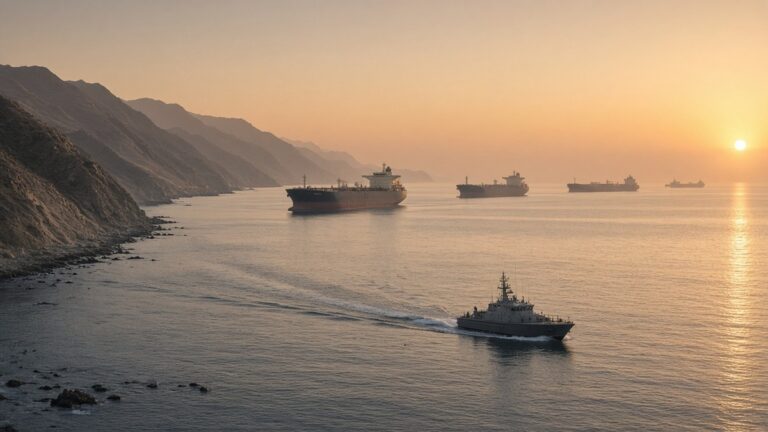
BAB EL-MANDEB, Yemen — September 27, 2026. Houthi control of Yemen’s Red Sea coast and Perim Island has turned the Bab el-Mandeb Strait — the “Gate of Tears” — into a second global shipping flashpoint alongside the contested Strait of Hormuz, according to on-the-ground reporting and warnings delivered at the United Nations.
The Los Angeles Times reported from the strait that Houthi forces this month seized Yemen’s Red Sea littoral in a rapid offensive, taking Perim Island at the waterway’s narrowest span of about 12.5 miles. Roughly 7 percent of global energy supplies and 12 to 15 percent of world shipping transit Bab el-Mandeb before reaching the Suez Canal’s southern approaches. A Houthi commander filmed on Perim boasted that artillery alone could menace passing ships. Yemeni Vice President Abdullah Abdulkader al Alimi-Bawzer told the UN General Assembly that using navigation safety as “blackmail” takes “hostage the entire global economy.”
Why the timing bites
Hormuz disruptions from the wider U.S.–Israel–Iran war have already forced Persian Gulf exporters to lean on alternatives. Saudi Arabia’s East–West pipeline to Yanbu and Red Sea loadings matter more when Gulf loadings are constrained — which makes Houthi pressure on the Red Sea uniquely painful for Riyadh. The Houthis declare a naval blockade aimed at Saudi shipping while insisting they do not seek a general war on all Red Sea traffic, a distinction meant to limit the coalition that might form against them. Risk advisers quoted by the Times argue the group wants leverage without inviting a full international naval campaign.
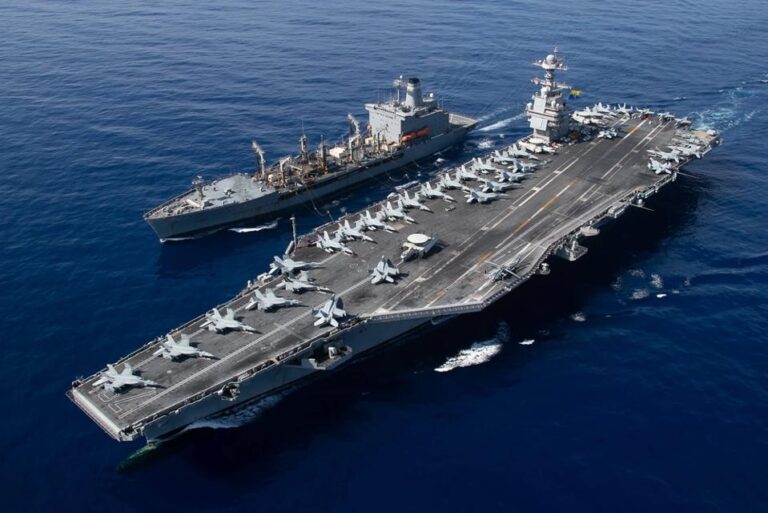
U.S. Secretary of State Marco Rubio said Washington has “a very strong defense agreement with Saudi Arabia” and will “live up to our commitments,” without detailing force packages. Saudi Arabia last week said it intercepted six Houthi ballistic missiles aimed toward Taif and Yanbu and answered with strikes into northern Yemen — a reminder that the Red Sea fight is already kinetic even when commercial AIS tracks look quiet for a given 72-hour window.
Two chokepoints, one energy map
Shipowners now face a stacked risk chart: Hormuz at the Gulf mouth, Bab el-Mandeb at the Red Sea gate, and the longer Africa cape route as the expensive escape hatch that can add 12 to 21 days. Emirati-built infrastructure on Perim, including a roughly 6,000-foot runway and hangars, gives whoever holds the island options for drones and helicopters even if heavy bombers cannot use the strip. Government-aligned Yemeni forces have slowed further Houthi advances after the initial rout, but analysts warn that retaking the coast will be an uphill fight against a movement that manufactures missiles and drones while Yemen’s anti-Houthi camp remains divided.
Peter’s World previously reported AP findings that IRGC advisers helped shape the Houthi coastal offensive. That Iranian linkage, Saudi vulnerability, and the strait’s share of global freight explain why a fishing village of “barely-there huts” now sits on every energy desk’s watchlist. Until Hormuz stabilizes or Bab el-Mandeb is secured by a force all sides accept, the Gate of Tears will keep pricing war risk into every voyage that once treated the Red Sea as routine.
Sources
- Los Angeles Times: Bab el-Mandeb Gate of Tears flash point
- Hellenic Shipping News: Yemen tells UN Houthi moves threaten economy