G7 Demands Houthis Halt Shipping Threats Near Bab al-Mandab
The G7 urged Yemen’s Houthis to stop threatening shipping and pressed Iran to end arms support, as fighting reached heights over Bab al-Mandab.

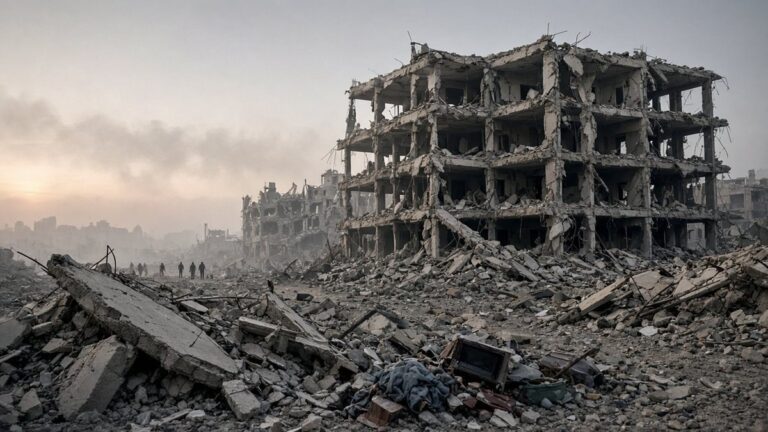
OTTAWA / MOCHA / TAIZ — September 22, 2026. The Group of Seven — Canada, France, Germany, Italy, Japan, the United Kingdom and the United States — called on Yemen’s Houthis to cease military actions and threats or attacks on civilian shipping and to return to a political process, while urging Iran to end arming and support for the group, as fighting intensified for highland positions overlooking Bab al-Mandab and Houthi media claimed a Saudi strike on Mocha killed at least six people, including two children and a woman, with eight wounded — figures not independently verified.
The G7 statement reframes Red Sea and Bab al-Mandab security as a collective demand rather than a U.S.-only problem. After President Donald Trump called off planned U.S. airstrikes on the Houthis on Sunday following a Riyadh ballistic-missile intercept — bombs already loaded, according to earlier reporting — partners needed a diplomatic instrument that did not depend on a renewed American bombing campaign. Naming Iran’s arming role keeps the file tied to the wider U.S.-Israel war on Iran without making Hormuz the only chokepoint in the communiqué. Shipping insurers and container lines will read the G7 language as political cover; they will not reopen routes on a statement alone.
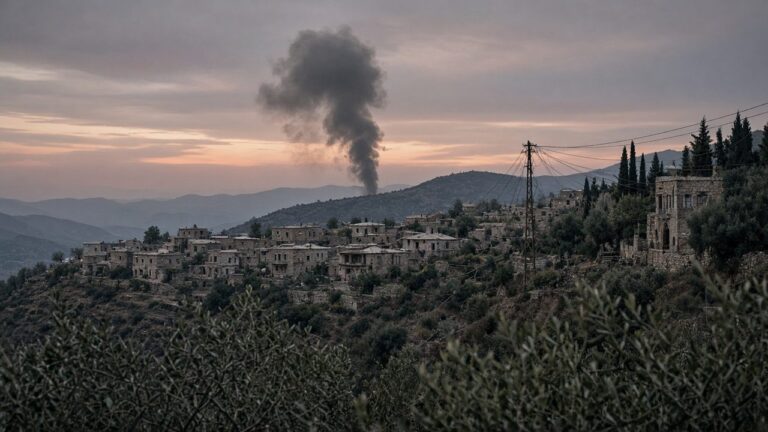
On the ground, Al Jazeera and related reporting describe Houthi forces fighting for the Kahboub Mountains in the Taiz–Lahj highland belt that overlooks Bab al-Mandab and the approaches to Mayyun. Control of those heights would deepen the movement’s ability to watch and threaten the strait after it already seized stretches of the Red Sea coast, including Mocha. Geography explains the urgency in Gulf and Western capitals: Hormuz pressure on the Gulf side and Bab al-Mandab pressure on the Red Sea side together sandwich energy and container traffic that Asia and Europe both need.
Casualty Claims From Mocha
Houthi-run Saba news agency said a Saudi strike on Mocha killed at least six people, among them two children and a woman, and wounded eight. Those casualty figures remain unverified by independent reporters or international organizations at the time of writing; they nonetheless feed a propaganda cycle in which every alleged civilian death is mobilized to justify further coastal and highland operations. Saudi Arabia has not, in the same window, issued a matching public battle-damage assessment that resolves the claim. Responsible coverage separates the allegation from confirmed counts while noting that Mocha’s status as a contested port makes verification slow.
Brief context, not the lead: Sunday’s U.S. strike abort after the Riyadh intercept left Gulf partners managing Houthi missile and drone risk with their own interceptors while Washington recalibrated. The G7 call is the multilateral follow-on — cease military action, stop shipping threats, restart politics, cut Iranian supply — issued while highland fighting and Mocha claims continue. It does not restore freedom of navigation by itself.
Energy traders already price dual-chokepoint risk. When Hormuz throughput is depressed and Bab al-Mandab heights are contested, freight rates and war-risk premiums move together even if no single tanker is hit on a given day. The G7’s political-process language aims at a longer game — pulling the Houthis back toward talks while squeezing Iranian supply lines — but highland offensives and unverified Mocha casualty claims pull the other way. Without monitoring that can verify both ceasefire behavior and civilian harm, the statement risks becoming another unread communiqué beside a live war map.
What Tuesday’s package measures is chokepoint politics without a single enforcer. The G7 can demand; Iran can deny; the Houthis can fight for Kahboub; Saba can claim child deaths in Mocha; Trump can keep U.S. bombs on the shelf. Until highland control stabilizes, shipping threats pause and independent casualty verification arrives, Bab al-Mandab will price risk the same way Hormuz does — on maps, magazines and whether diplomatic language ever matches fire on the ground.
Sources
- GOV.UK: G7 statement on Bab al-Mandab and navigational rights and freedoms
- Al-Monitor: G7 foreign ministers call on Iran to stop arming Houthis
- UPI: G7 foreign ministers demand Iran stop arming Houthis in Yemen