Taiwan Tracks 10 PLA Aircraft and 12 Ships; Nine Cross Median Line
Taiwan tracked 10 PLA aircraft, six Chinese navy ships and six official vessels in 24 hours, with nine aircraft crossing the Taiwan Strait median line.
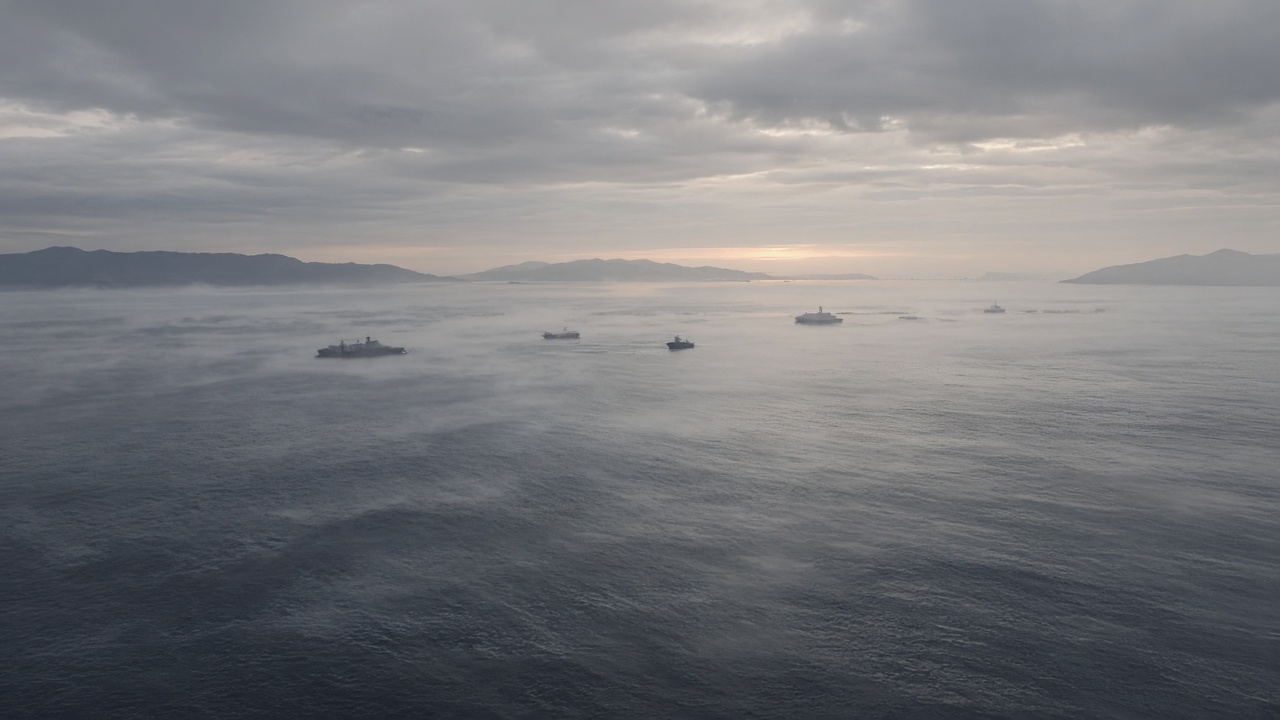
TAIPEI — September 23, 2026. Taiwan’s Ministry of National Defense said it tracked 10 Chinese military aircraft, six PLA Navy vessels and six Chinese official ships around Taiwan between 6 a.m. Tuesday and 6 a.m. Wednesday, with nine of the aircraft crossing the Taiwan Strait median line into southwestern and eastern air-defence identification zones.
Taipei responded with aircraft, naval ships and shore-based missile systems. The 24-hour sample is not a named large-scale exercise; it is the grey-zone tempo that has become September’s baseline. Month-to-date, the MND has logged 198 Chinese aircraft tracks and 235 ship tracks. That cumulative load — identification, scramble, logistics — matters more than any single day’s headline count of ten aircraft.
Median-line crossings continue to erase the informal buffer that once structured Strait aviation. Nine crossings in one day into both southwestern and eastern ADIZ sectors force Taiwan to treat previously clear airspace as contested monitoring zones. Analysts tracking PLA patterns note that activity is no longer concentrated only west of the island: since July, coast-guard patrols and PLA reconnaissance have thickened east and southeast of Taiwan, integrating fighters, bombers, support aircraft and UAVs on successive readiness patrols.
Purges in Beijing as Grey-Zone Pressure Continues
The operational context includes political shockwaves in Beijing. Reuters reporting on September 23 highlighted Party and military expulsions of senior leaders including Zhang Youxia and Liu Zhenli, raising questions among regional attaches about complex warfighting readiness even as routine grey-zone operations continue. The PLA Daily framed the crackdown as necessary to restore Party control and combat effectiveness. For Taipei the distinction is practical: routine patrols and median-line pressure persist regardless of elite churn; what may be harder to judge is Beijing’s appetite for higher-risk contingencies while command networks are being rebuilt.
U.S. arms sales and Indo-Pacific posture remain the strategic backdrop. Xi Jinping has previously pressed Washington on halting arms transfers to Taiwan; Trump administration bandwidth is currently consumed by Iran war diplomacy and Ukraine. That distraction does not pause PLA sorties. It does raise the cost for Taipei of sustaining continuous ADIZ responses without clearer allied reinforcement timelines.
What the September 23 track set measures is normalization of pressure, not a singular crisis. Ten aircraft and twelve ships with nine median-line crossings keep Taiwan’s forces on a wartime-adjacent schedule while Beijing signals both internal discipline and external presence. Until the monthly aircraft and ship counts fall — or a crisis overtakes the grey zone — the Strait’s buffer will keep shrinking one ADIZ entry at a time.
Sources
- Taiwan Ministry of National Defense: PLA activities in the waters and airspace around Taiwan (Sept. 22–23)
- Central News Agency (Chinese): 6艘共艦9架次共機擾台 國軍嚴密監控


2 Comments