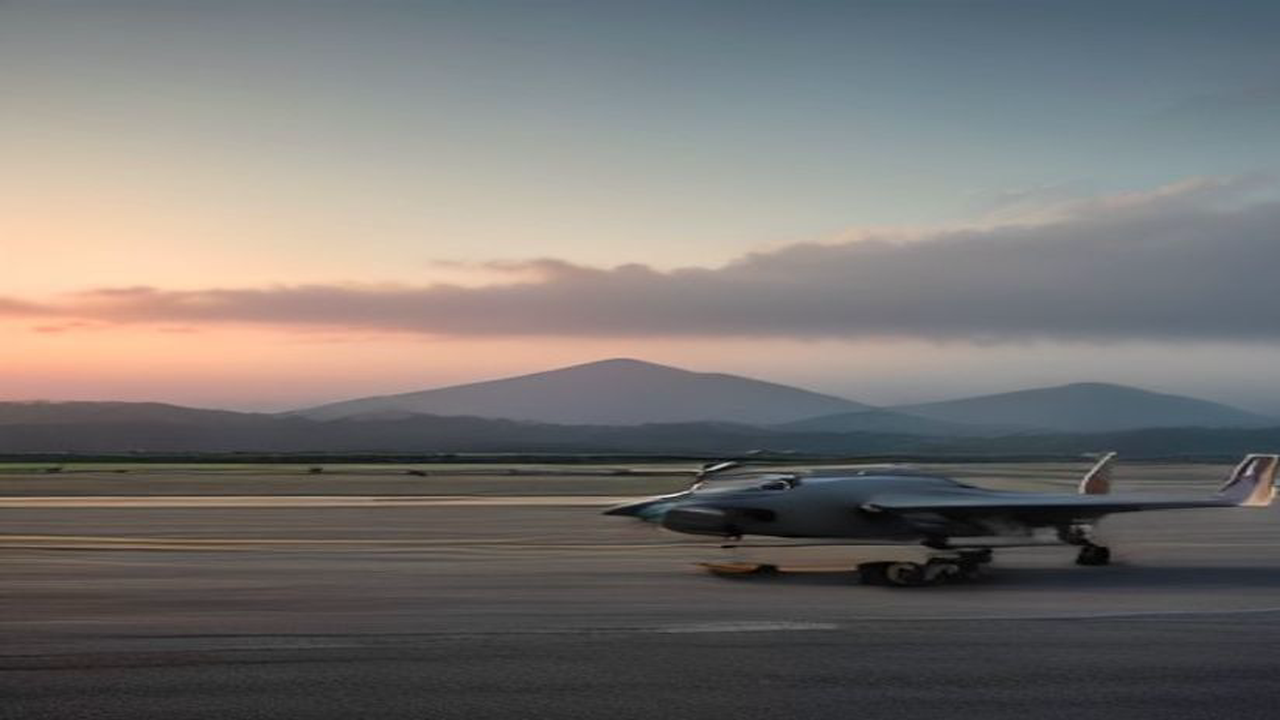
TAIPEI — September 16, 2026. Taiwan has begun flight tests of its first MQ-9B SkyGuardian remotely piloted aircraft at Hualien, Focus Taiwan and the Central News Agency reported after September 14 sorties, even as the Ministry of National Defense’s latest window logged fifteen People’s Liberation Army aircraft, eight PLA Navy ships, and two Chinese official vessels around the island — with twelve of the aircraft crossing the Taiwan Strait median line into Taiwan’s air defense identification zone.
The Hualien tests mark a qualitative step in Taiwan’s unmanned long-endurance surveillance fleet. MQ-9B SkyGuardian platforms, acquired with United States cooperation, are built for persistent maritime and air-picture coverage that manned fighters cannot economically sustain. Two initial test flights do not equal an operational orbit schedule, but they signal that Taipei is converting procurement announcements into flight hours on the island’s east coast, farther from the densest PLA jamming and fighter CAPs that hug the western approaches.
Taiwan’s MND September 16 reporting window — fifteen PLA aircraft, eight PLAN combatants, plus two official ships, and twelve median-line ADIZ crossings — keeps the pressure campaign visible on a day that is quieter than some mid-September surges yet still far from peacetime norms. Crossing the median line has become Beijing’s routine method of eroding a tacit boundary Taipei still treats as meaningful. Each dozen crossings forces Taiwanese fighters or air-defense crews to react, generating wear data China studies carefully.
Defense officials in Taipei have framed SkyGuardian as a surveillance and early-warning asset rather than a strike substitute for the island’s fighter force. Persistent electro-optical and radar dwell over eastern and southern approaches can cue interceptors earlier when PLA aviation swings through the Bashi Channel or loops from the Philippine Sea. That cueing matters more as Chinese sorties mix fighters, electronic-warfare aircraft, and drones into packages designed to blur which track is the real threat.
Washington’s interest is structural. U.S. officials have repeatedly praised Taiwan’s efforts to field asymmetric and unmanned systems that complicate a PLA blockade or invasion timeline. Flight tests at Hualien, if they proceed into sustained training, will also generate the maintenance, runway, and data-link lessons that determine whether MQ-9B becomes a showpiece or a daily contributor to the common operating picture shared selectively with partners.
Beijing’s propaganda line will cast SkyGuardian flights as further proof of U.S.–Taiwan military collusion. The same Chinese sorties that crossed the median line this window already supply the visuals for that narrative. Taipei’s counter is operational rather than rhetorical: more sensors east of the island, more minutes of warning, fewer surprises when PLAN surface groups push past the median line in concert with aviation.
The juxtaposition on September 16 is deliberate analytic framing, not coincidence. Taiwan is trying to lengthen its unblinking eye just as the PLA refreshes its median-line pressure at a tempo that no longer makes headlines every day — which is precisely when complacency becomes dangerous. Fifteen aircraft and ten Chinese ships in a single window remain a combat-ready presence, not background noise.
Until SkyGuardian orbits are routine and median-line crossings drop toward historical quiet, Taiwan’s defense problem stays the same: buy time, see first, and force Beijing to spend more metal for every probe. Hualien’s first two MQ-9B tests are a small number. Twelve ADIZ crossings in the latest MND window are also a small number — until you add them across a year.