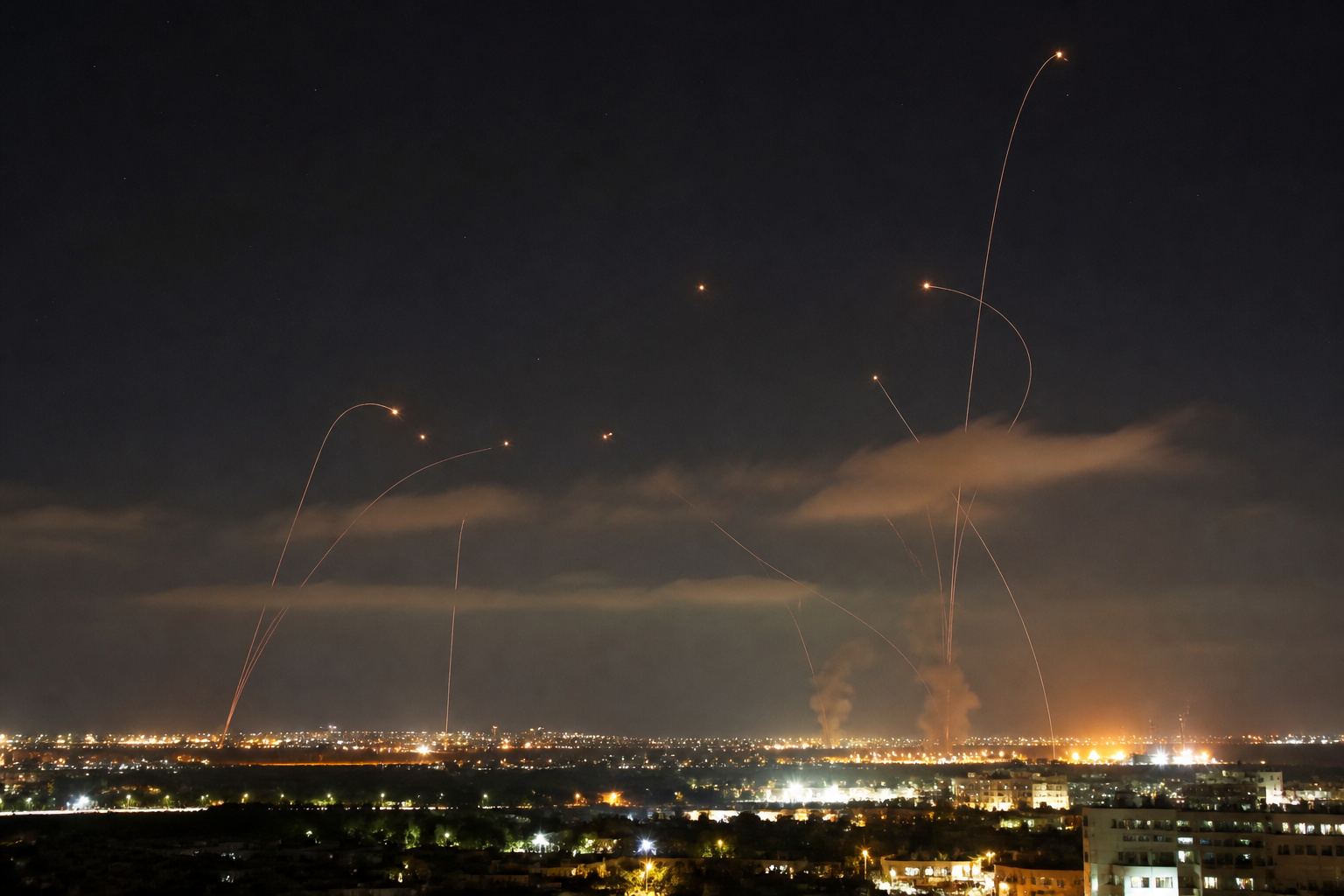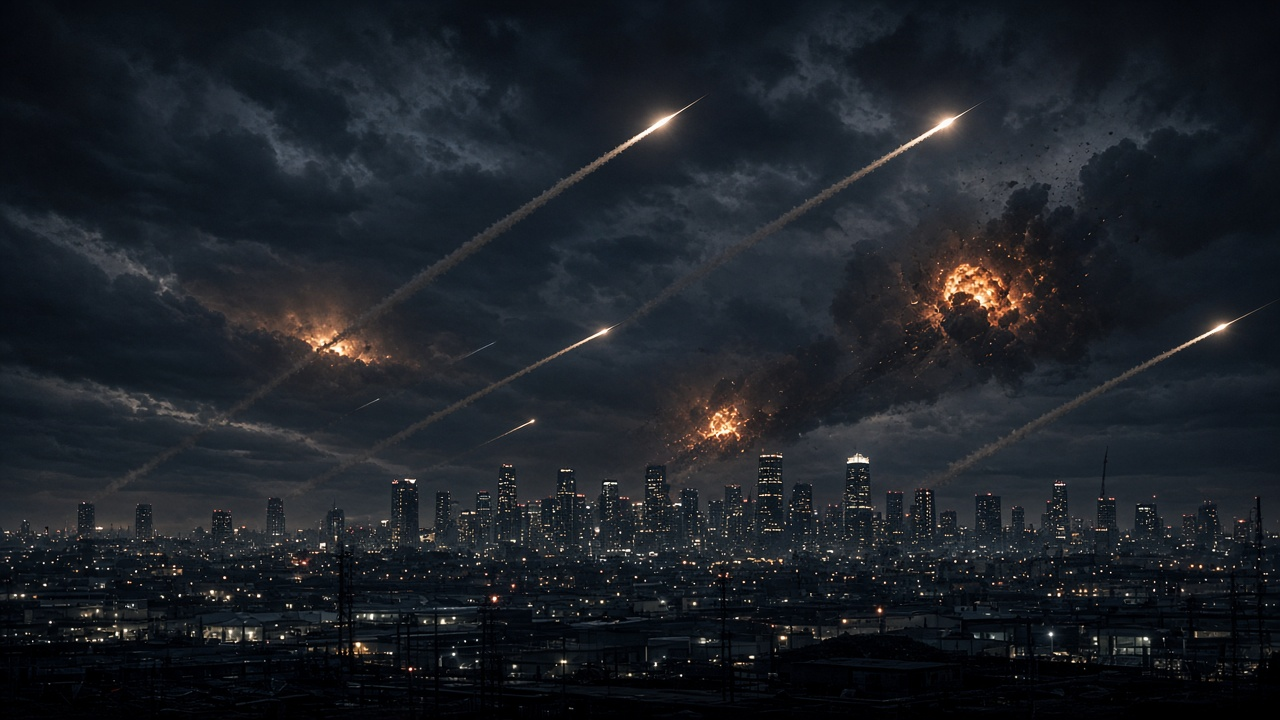
KYIV — September 14, 2026. Ukraine’s Air Force said Russia launched 453 Shahed- and Gerbera-type drones—including jet-powered Shahed variants—plus Parodiya decoys and S8000 Banderol missiles in a mass overnight assault, with Ukrainian forces intercepting 405 drones and six Banderols while recording hits at thirteen locations and debris falls at seven more. Regional authorities reported at least six civilians killed and forty-three injured nationwide on September 13, with western oblasts from Volyn to Lviv among those struck—terrain Moscow historically hit less often than Kyiv, Odesa, or the eastern front. A follow-on wave into the night of September 13–14 brought another 108 attack UAVs; air defenses said eighty-five were downed or suppressed, with impacts at seven sites.
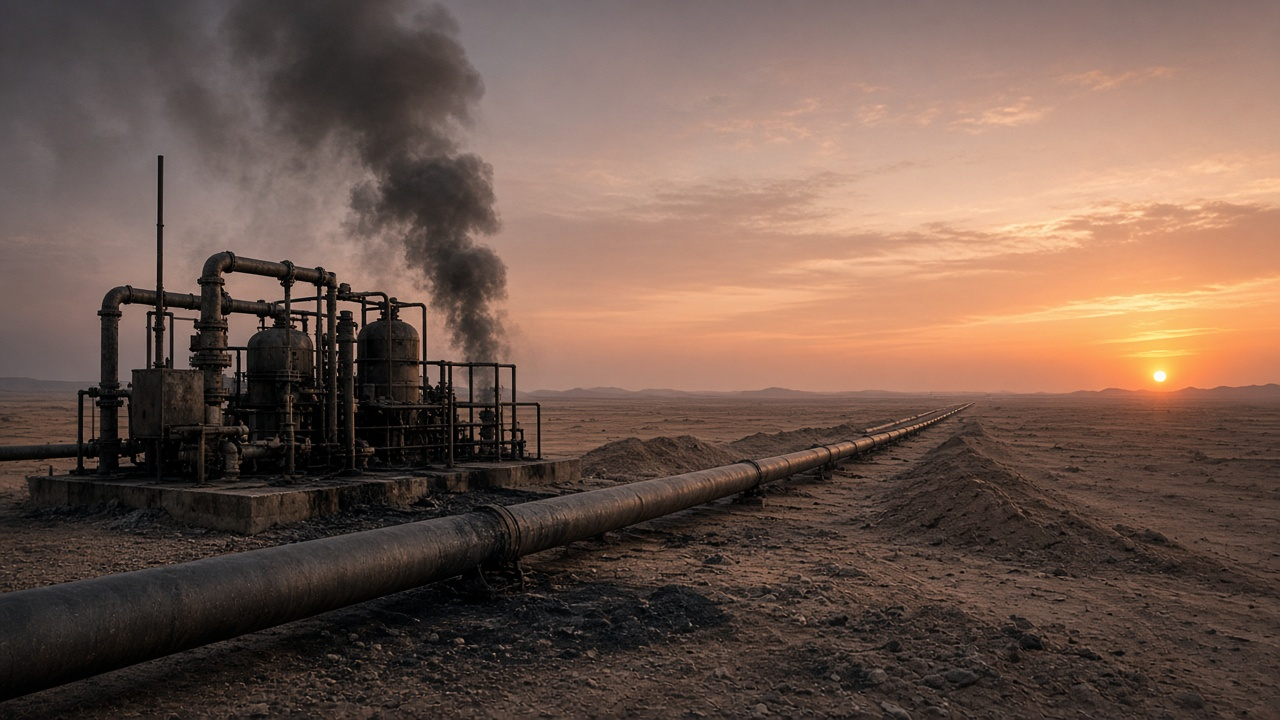
Kyiv answered in Russia’s energy depth. Russian authorities said a Ukrainian drone strike sparked a fire at an industrial facility in Nizhnekamsk, Tatarstan—home to a major refining and petrochemical complex—killing two and injuring twelve, figures Euronews noted it could not independently verify. Ukraine’s Defence Intelligence claimed a separate hit on the Slavyansk-ECO oil refinery at Slavyansk-on-Kuban in Krasnodar Krai, saying a processing unit and tank farm were struck. The exchange fits the emerging winter script: Russia saturates Ukraine’s grid and rear with cheap mass drones; Ukraine punches at Russian refining throughput that funds and fuels the war.
Diplomatically, the tempo undercuts any soft landing. Russian Foreign Minister Sergey Lavrov said Moscow would not halt its “special military operations” even if peace talks resume—an explicit rejection of ceasefire-as-precondition thinking circulating in some Western capitals. For Peter’s World readers tracking winter logistics, the dual ledger is clear: 453-drone nights are designed to exhaust interceptors and repair crews, while Tatarstan and Kuban fires are designed to make Russia’s oil system pay a parallel price. Neither side is optimizing for a pause.