Iran has accused the United States of a war crime after a missile strike killed civilians at a wedding celebration in the coastal town of Kuhestak, Hormozgan province, on Tuesday night, September 1–2, 2026, as U.S. and Iranian forces exchanged their heaviest fire in more than a month.
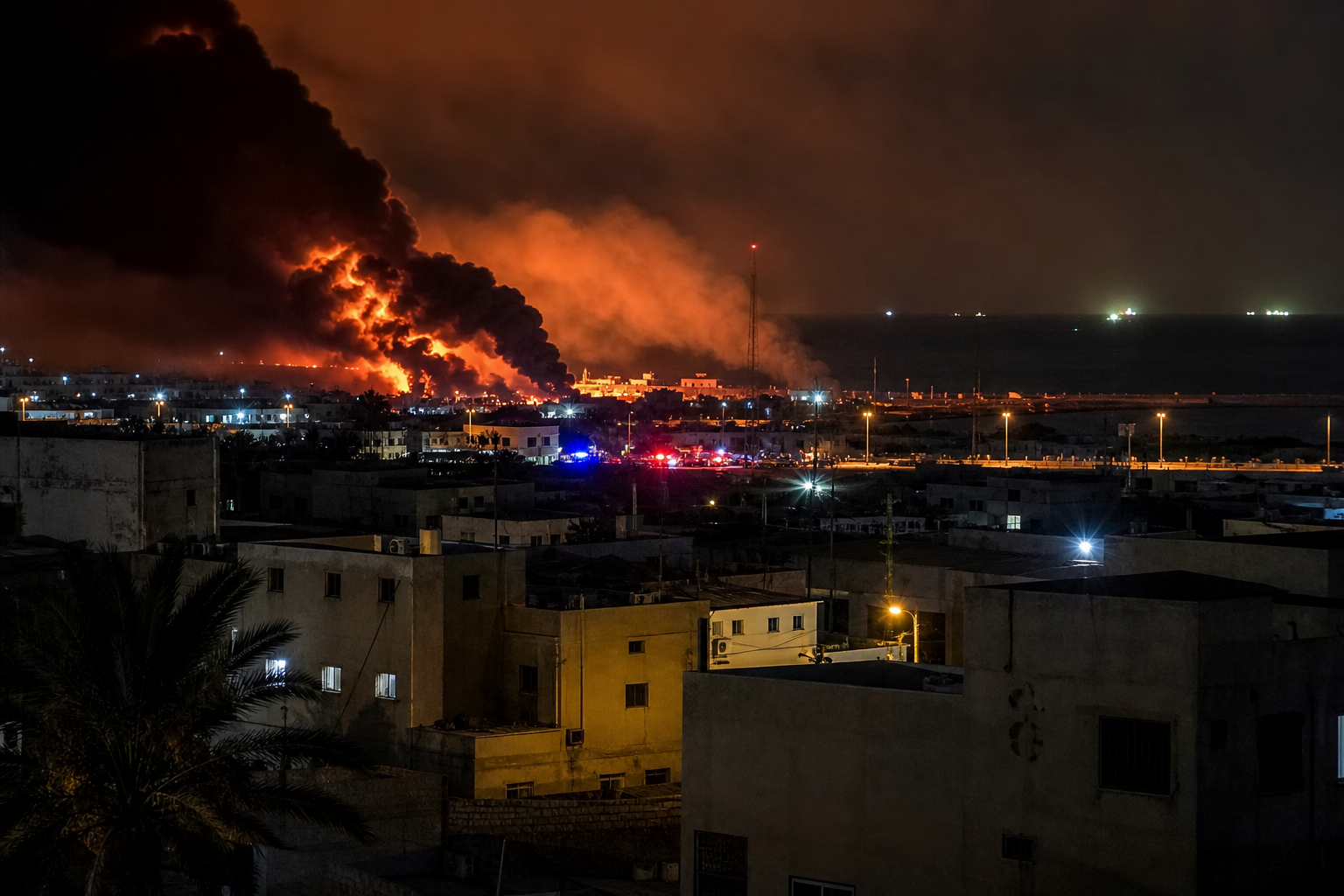
Iranian authorities and the Iranian Red Crescent Society said shrapnel from a U.S. missile struck a private home hosting a wedding along the Strait of Hormuz coastline. Reports put the death toll at at least four people, including children, with dozens more wounded — Iranian media and officials cited figures ranging from roughly 60 to nearly 70 injured. Footage of ruined decorations and debris circulated widely inside Iran as officials framed the ceremony as having been turned into a funeral.
Iranian Foreign Ministry spokesman Esmaeil Baqaei called the incident a “war crime” and said Tehran would respond “with firmness.” Iranian reporting also described additional deaths elsewhere from the same night’s U.S. strikes, including IRGC aerospace personnel in Kermanshah and Basij members on Lavan Island, according to Iranian military statements.
U.S. Central Command said its overnight and Tuesday operations targeted Iranian military infrastructure — air defenses, radar systems, and maritime assets — and followed what Centcom described as recent IRGC attempts against commercial shipping in the Strait of Hormuz and against American forces in the region. Washington has denied deliberately targeting civilians and said investigations into the Kuhestak incident were underway, while emphasizing that Iran’s maritime and missile activity drove the renewed campaign.
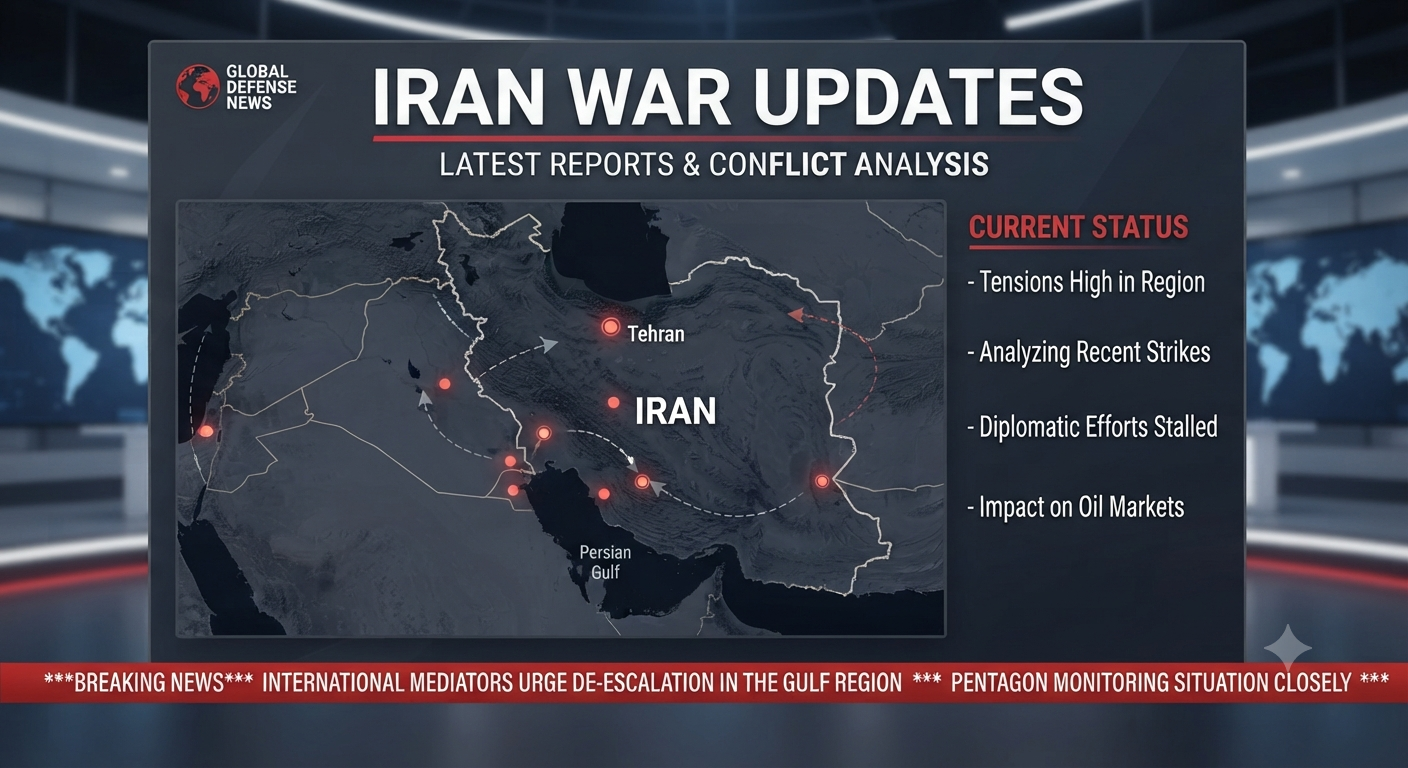
The strike sits inside a broader six-month conflict that began with U.S. and Israeli strikes on Iran in late February 2026, briefly paused under an April ceasefire, and has repeatedly reignited around Hormuz. After roughly a month of relative quiet, U.S. strikes resumed over the preceding weekend, ending the lull and pushing both capitals back toward open escalation.
Kuhestak’s location matters strategically as well as politically. The town sits on the Hormozgan coast near the chokepoint through which roughly a fifth of seaborne oil normally moves. That geography turns any civilian casualty claim into a propaganda and escalation instrument for Tehran, and a political liability for Washington, even when U.S. officials insist the intended targets were military.
Whether the wedding deaths were the result of a misfire, secondary effects, or proximity of military infrastructure remains contested. What is not contested is the immediate diplomatic effect: Tehran now has a civilian atrocity narrative with which to justify further retaliation, while the United States must defend a limited-strike narrative under intensifying regional and domestic pressure.