Saudi Arabia Restarts East-West Pipeline to Yanbu After Drone Shutdown
Saudi Arabia restarted its East-West crude pipeline at reduced rates after a drone shutdown, reopening a path for Aramco to resume tanker loadings at Yanbu.
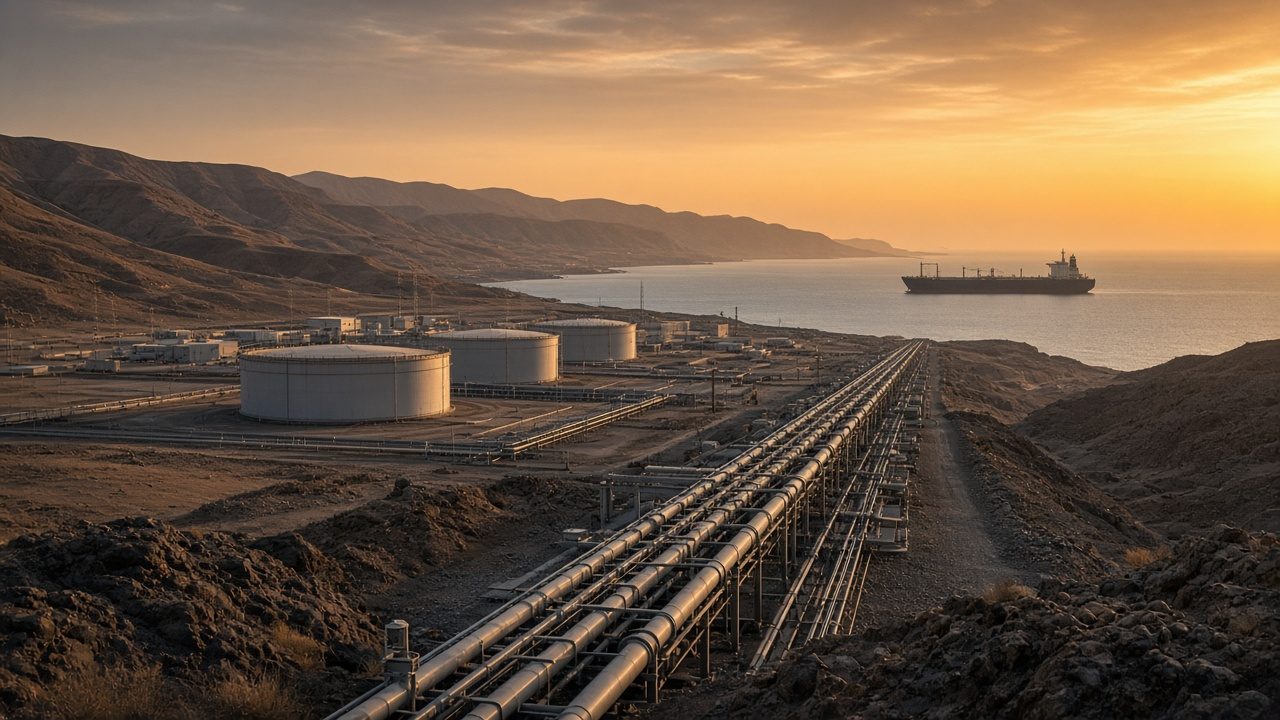
RIYADH / LONDON — September 23, 2026. Saudi Arabia has restarted its East-West crude pipeline at a reduced pumping rate after drone damage forced a September 13 shutdown, reopening a path for Saudi Aramco to resume tanker loadings at the Red Sea port of Yanbu and easing — though not ending — the kingdom’s reliance on Strait of Hormuz workarounds.
Three sources briefed on the matter told Reuters that pumping resumed at a low rate. Aramco is aiming to restore flows toward roughly 4 million barrels per day, against the line’s total capacity near 7 million bpd. A security source said the system could reach about 40 percent of capacity within days, but full restoration may take six to eight weeks after damage to three pumping stations in the earlier drone attack.
The 1,200-kilometer Petroline moves crude from Saudi Arabia’s Eastern Province to Yanbu, giving the world’s largest crude exporter a Red Sea outlet that bypasses Hormuz. Before the shutdown, the line had been carrying about 4 million bpd — roughly 4 percent of global oil supply — as Tehran and Washington’s war disrupted normal Gulf shipping. Its halt pushed more Saudi barrels back toward Gulf loadings, AIS-off tanker practices, and ship-to-ship transfers via Oman and Fujairah corridors already strained by Iranian restrictions.
Oil Market Reaction to the Restart
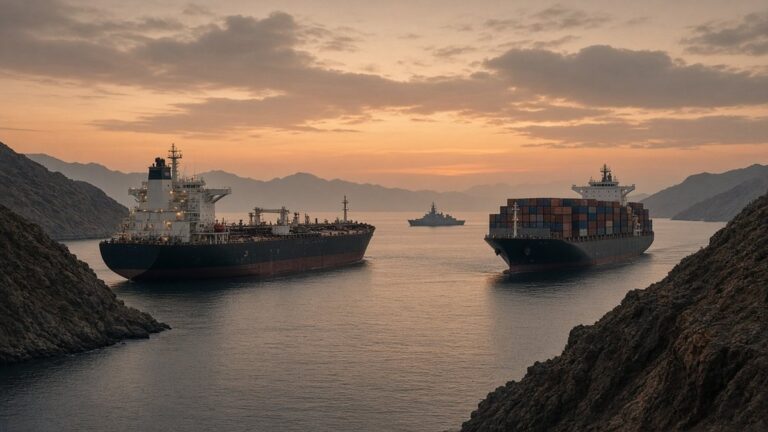
Market reaction was immediate when restart news hit: Brent crude futures fell more than $2 a barrel toward their lowest levels since September 8, traders said, as a China-bound cargo was scheduled to load at Yanbu. Satellite imagery and shipping data showed tanker loadings at Yanbu had not yet resumed, even as tankers sat at the port’s berths, underscoring the gap between pumps restarting and export terminals returning to pre-attack cadence. Traders also positioned vessels toward Egypt’s Port Said for ship-to-ship transfers and Sidi Kerir as Saudi barrels seek Mediterranean and Asian routes that do not require a full Hormuz transit.
The restart lands beside UNGA diplomacy in which Iran ties Hormuz reopening to a U.S. blockade lift and Washington demands free navigation. For Riyadh, restoring Yanbu capacity is strategic insurance: every million barrels that can move west without threading Hormuz reduces Tehran’s chokepoint leverage and takes pressure off Saudi Eastern Province export logistics. For oil markets, the story is partial relief, not normalization — reduced rates, multi-week repair timelines, and a Red Sea corridor that remains exposed to Houthi and wider regional conflict risk even as the Petroline comes back online.
Correction (Sept. 26, 2026): An earlier version of this article said satellite imagery showed limited confirmed loading activity at Yanbu. Reuters and Baird Maritime reported on Sept. 24 that, although crude was again flowing through the pipeline, tanker loadings at Yanbu had not yet resumed; Kpler data showed that two tankers due to load on Sept. 23 did not do so. The sentence has been corrected.
Sources
- OilPrice.com: Aramco restores East-West pipeline as war risk closes in on Yanbu
- Baird Maritime: Yanbu tanker loadings yet to resume despite Saudi pipeline restart
- Reuters: Saudi East-West Pipeline building up volumes, loading yet to resume, sources say