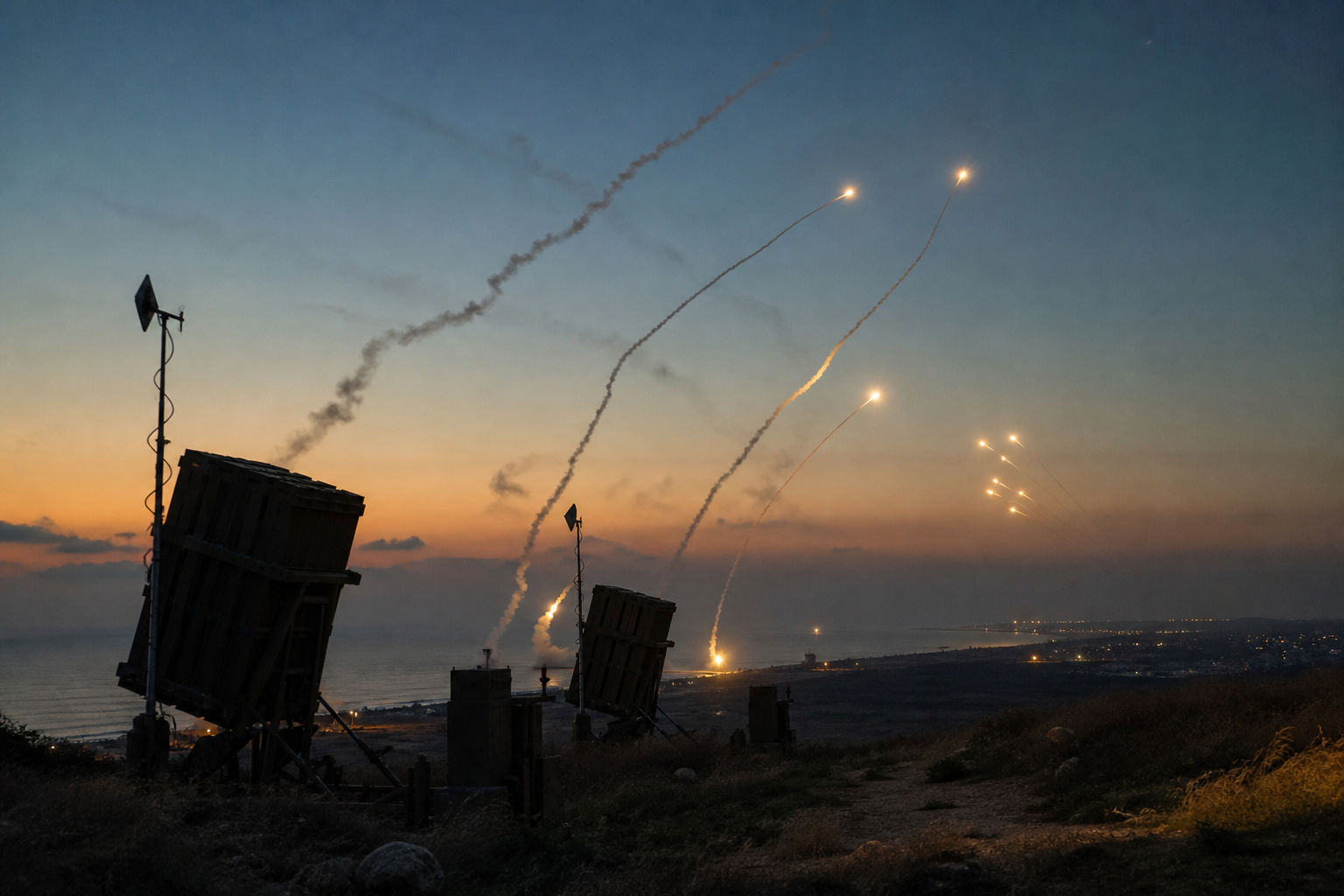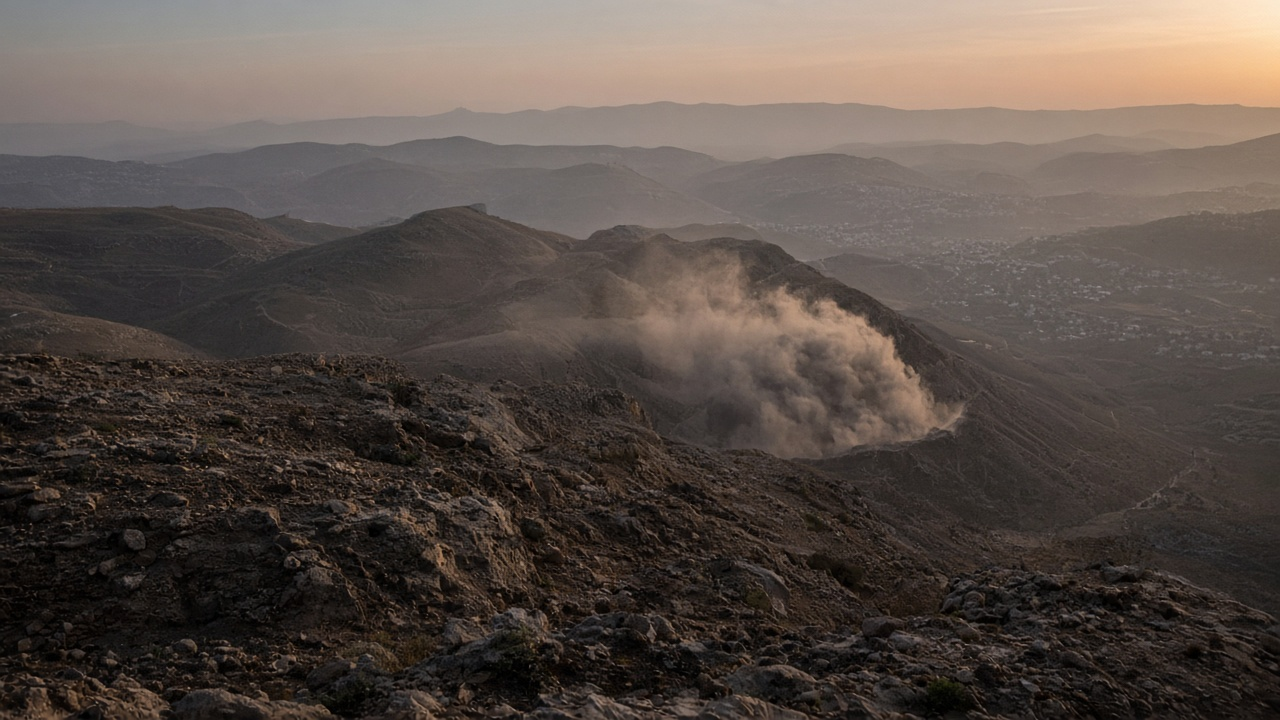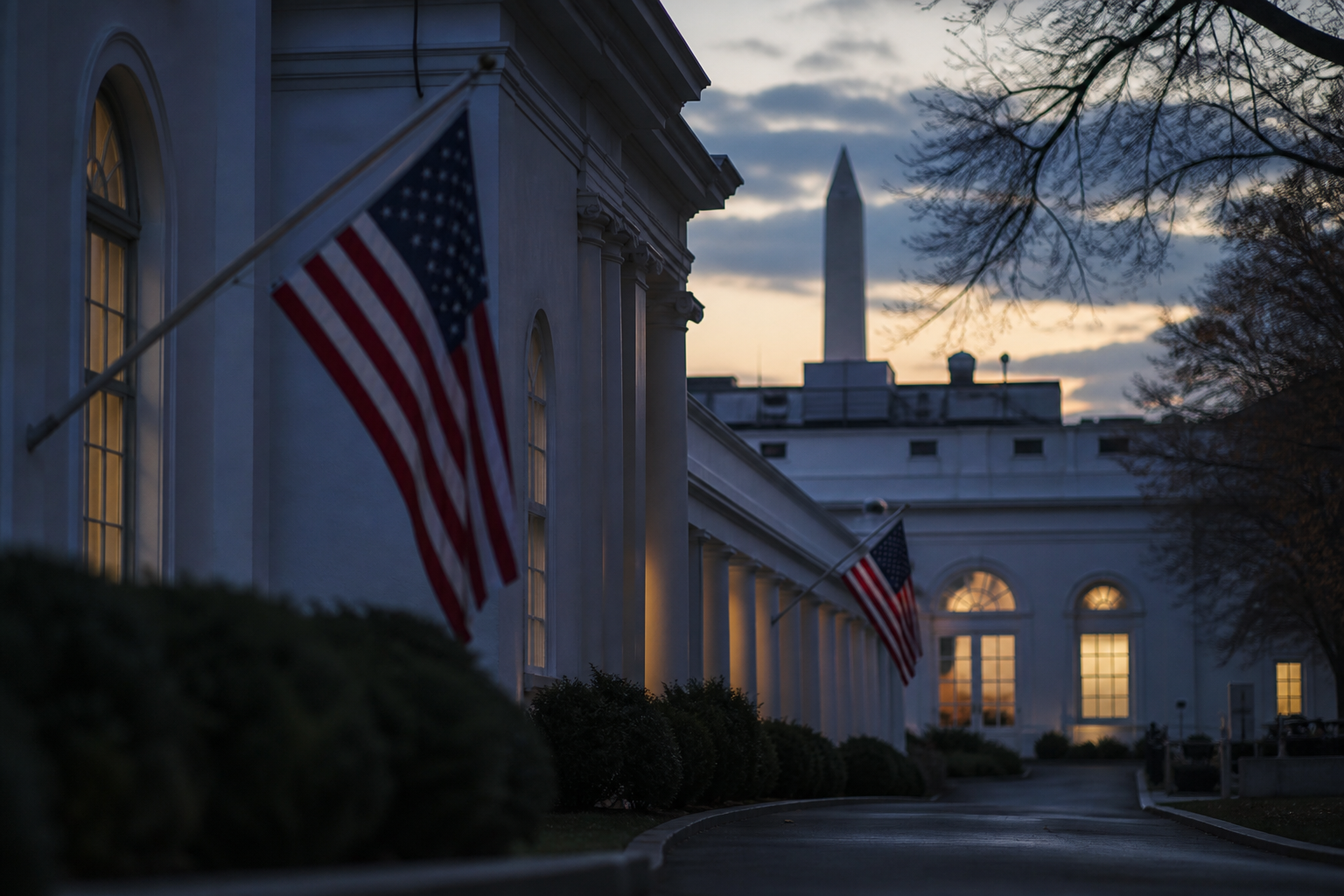
President Donald Trump told reporters at the White House on Wednesday, September 2, 2026, that U.S. forces hit Iran “very hard” overnight and are “prepared to do another one anytime we want,” as Iranian officials put the death toll from the latest American strikes at roughly 18 to 19 people, with more than 100 wounded.
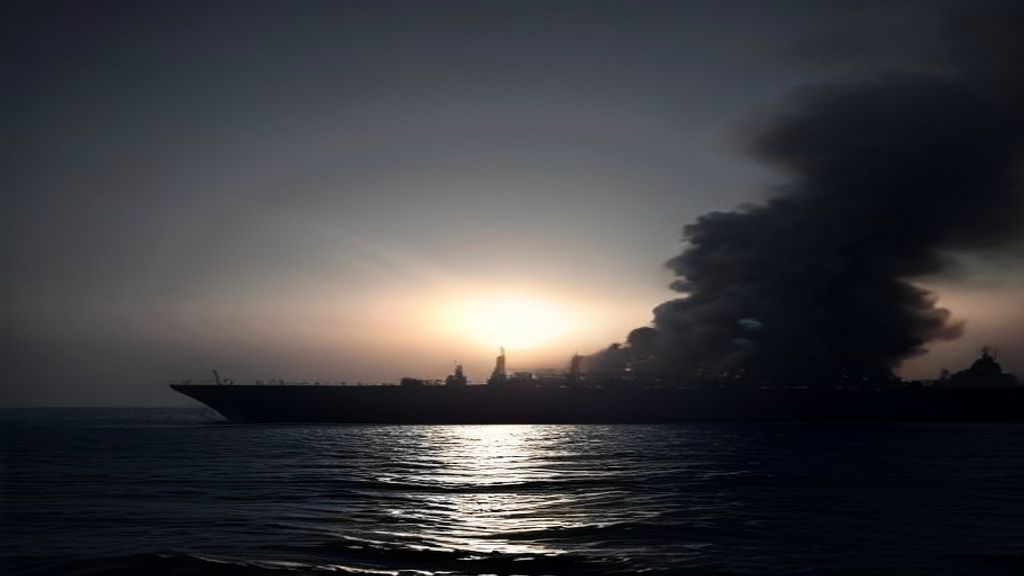
Speaking in the Oval Office and to the press pool, Trump said the attacks “took out all of the new equipment that they tried to build along the Strait of Hormuz,” framing the raids as a response to Iranian efforts to reinforce the chokepoint Tehran has largely shut for six months. He insisted the renewed campaign would not last long and rejected the idea that November midterms were driving strategy, saying he was not on the ballot even as he pledged to help his party.
Iran’s health minister, Mohammad-Reza Zafarghandi, said the dead included two children, among them a four-year-old killed when a strike hit a wedding gathering in Kuhestak, Sirik county. Foreign Ministry spokesman Esmaeil Baghaei branded that incident a “war crime” and rejected U.S. claims that American forces do not target civilians. CENTCOM spokesman Tim Hawkins answered that the U.S. military “never targets civilians, unlike the IRGC.”
The political arithmetic in Washington is deteriorating. A Reuters/Ipsos poll in August found only about 31 percent of Americans approving the war and roughly 63 percent disapproving, with gasoline prices a central grievance. Brent crude has climbed toward about $95 since fighting resumed over the weekend — more than 30 percent above levels at the war’s start — while Trump’s own approval has slid from the low 40s toward the low 30s in the same polling series.
Strategically, the White House is trying to hold two narratives at once: that America retains “very strong control” of Hormuz even as only a handful of ships transit daily compared with roughly 130 before the war, and that maximum economic pressure plus selective bombardment can compel Tehran without a long occupation. Iran’s security chief Mohsen Rezaei warned of a “new strategy” that would “shatter” American foundations; negotiator Mohammad Bagher Ghalibaf called Washington “Satan” over the wedding deaths.
The “anytime we want” line is meant as deterrence. It also locks Trump into a credibility trap. If he strikes again and oil spikes further, midterm voters may punish the party he says he is helping. If he pauses while Iran keeps mining approaches, blacklisting tankers, and hitting Gulf bases, Tehran can claim American superiority cannot reopen the strait. Either path keeps the war’s center of gravity where it has been since February: not a clean military decision, but a contest over who can afford the political and economic bleed longer.