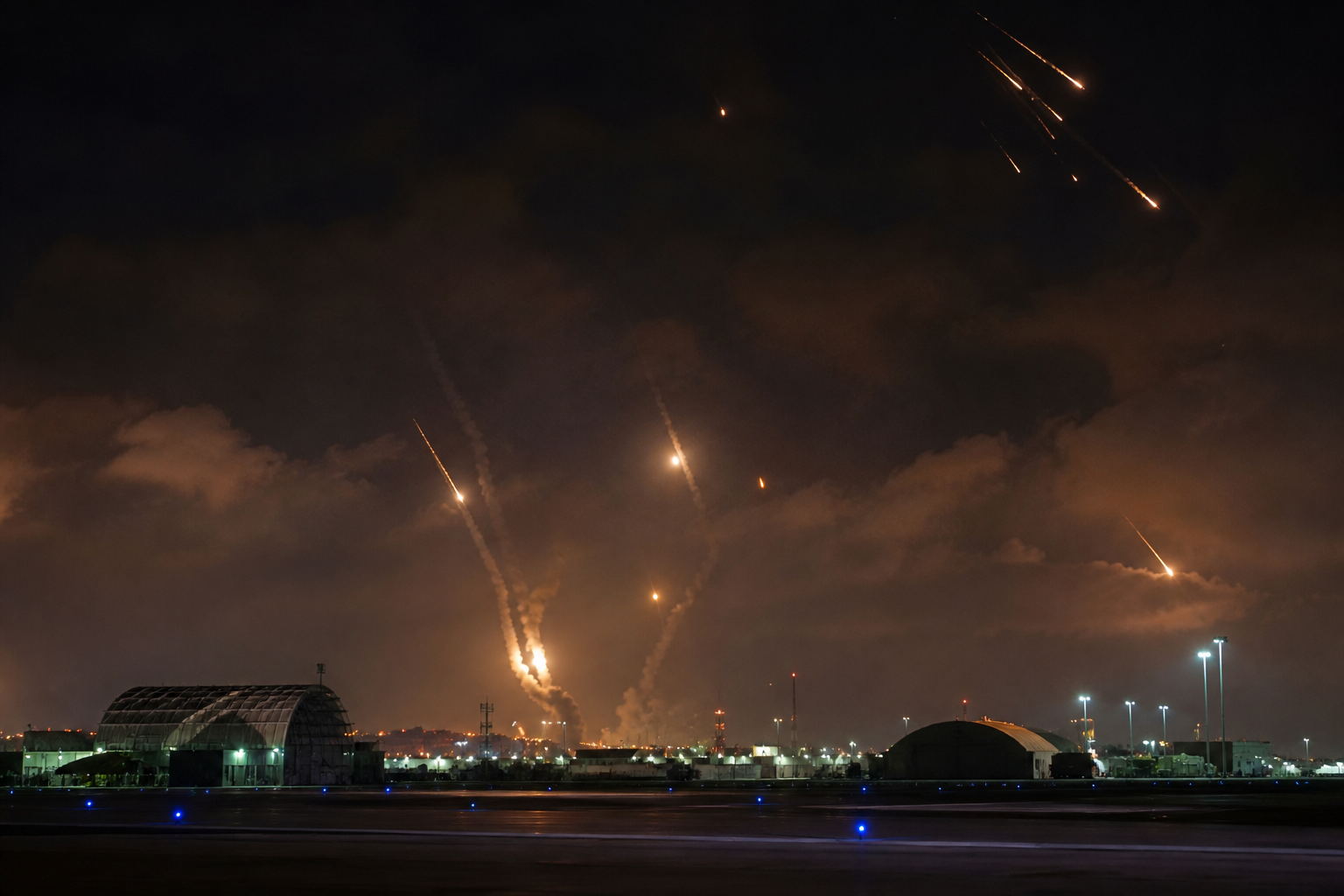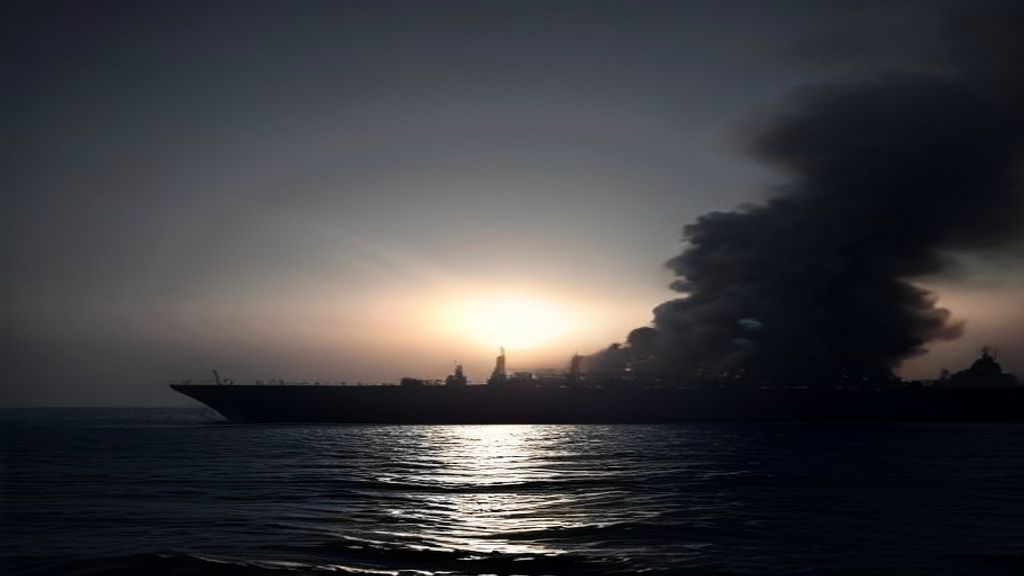
TAMPA September 9, 2026. U.S. Central Command said American forces destroyed five Iranian oil tankers linked to the Islamic Revolutionary Guard Corps on September 8 after IRGC ballistic missiles twice targeted a U.S. warship, marking the sharpest single-day blow yet against Tehran’s at-sea revenue network. CENTCOM identified the vessels as M/T Kaviz, Charminar, Horizon 1 and Riesco in the Gulf of Oman, plus M/T Derya near Kharg Island. Crews were directed to abandon ship before the strikes, according to the command’s account, which Al Jazeera, BBC and NBC also reported in parallel summaries of the operation.
Secretary of State Marco Rubio, speaking from Colombia, framed the tanker hits as a standing rule rather than a one-off retaliation: every attempt to strike U.S. ships, he said, would cost Iran more tankers. That public linkage—missile try, tanker loss—is meant to impose a transparent exchange rate on IRGC risk-taking at sea. U.S. officials have argued for months that IRGC-linked tankers finance proxy and missile programs; destroying five in a day converts that argument into a visible inventory hit, and it does so while Washington insists crews were given time to leave.
The military sequence matters as much as the tonnage. CENTCOMs narrative starts with two ballistic-missile attempts against a U.S. warship, then moves immediately to the tanker strikes, presenting the oil losses as consequence rather than escalation for its own sake. Iranian outlets have cast the same day as illegitimate aggression against civilian energy traffic; Western reporting has stayed closer to CENTCOM’s IRGC-financing claim. Either reading leaves the same operational fact on the water: five named hulls are gone, and the Gulf of Oman–Kharg corridor just became a more expensive place to sail Iranian crude.
For markets and navies alike, the message is cumulative. Pairing warship defense with tanker destruction tightens the coupling between Hormuz insurance rates and fleet posture, and it raises the odds that Tehran’s next move will be maritime as well as missile. Rubio’s Colombia line was blunt by design. If the IRGC keeps testing U.S. ships, Washington is advertising that the bill will keep arriving as burning tankers—not as closed-door demarches.