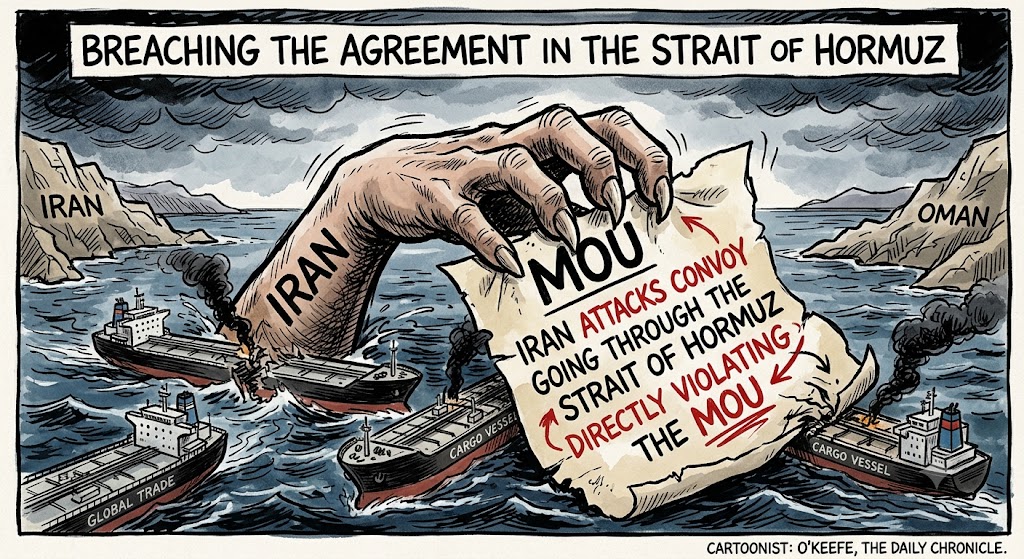
Conflict Period: February 28, 2026 – mid-June 2026 (major combat phase ended with ceasefire around April 8; final deal/MOU signed June 17)
Overview: The United States, in coordination with Israel, launched large-scale airstrikes on Iranian military targets, leadership, and infrastructure under Operation Epic Fury. Iran responded with hundreds of ballistic/cruise missiles and thousands of drones targeting US bases across the Middle East (Qatar, Bahrain, UAE, Kuwait, Saudi Arabia, Iraq, Jordan). The conflict involved no large-scale US ground invasion but featured intense air and missile exchanges, naval tensions in the Strait of Hormuz, and proxy elements. It concluded with a US-Iran memorandum of understanding.
US forces conducted thousands of strikes while facing significant Iranian retaliation that damaged bases and caused casualties. Official US figures emphasize limited direct combat losses relative to the scale of operations, though equipment and munitions expenditures were substantial.Personnel Casualties (Human Losses)US Central Command (CENTCOM) and Pentagon data report the following approximate totals (figures vary slightly across sources due to classification, attribution of non-combat deaths, and updates):
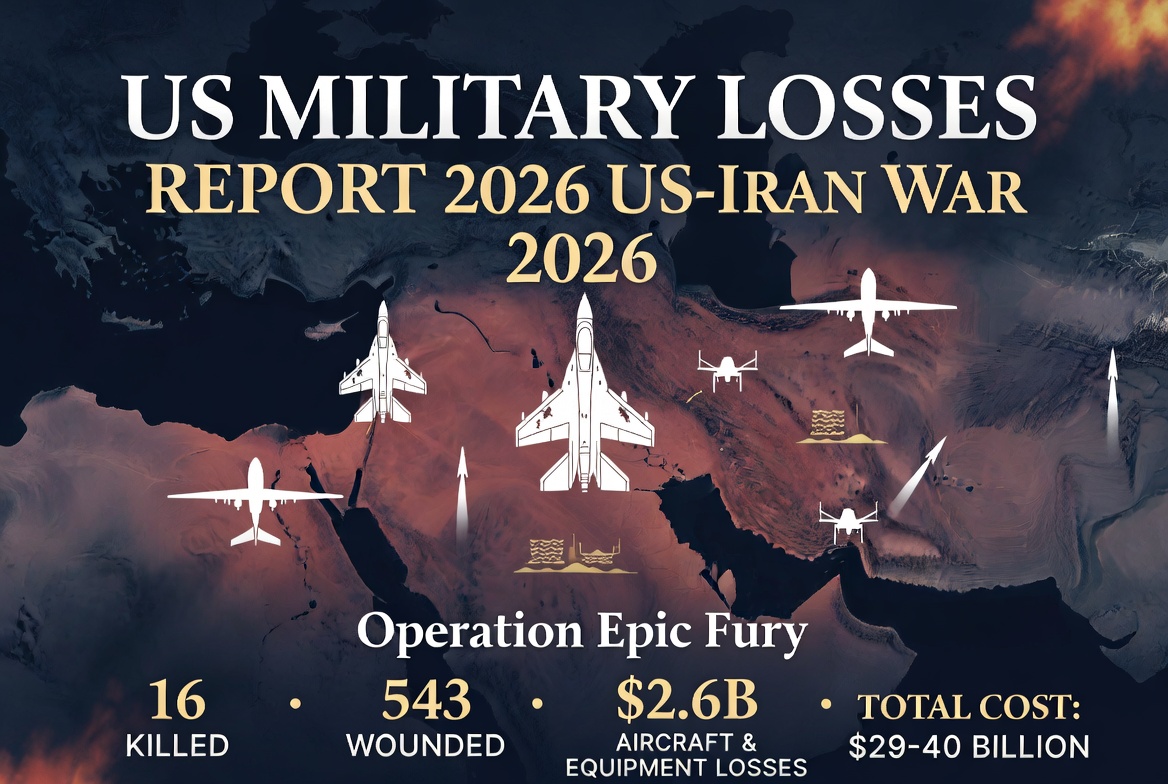
- Killed: 13–16 US service members.
- Wikipedia compilation (drawing on official reports): 16 soldiers killed. en.wikipedia.org
- Multiple news outlets (CNN, BBC, Military Times): 13 killed, with distinctions between hostile action and operational incidents. cnn.com
Key incidents contributing to fatalities:
- March 1, 2026: Iranian drone attack near Camp Arifjan/Port Shuaiba, Kuwait — 6 US Army soldiers killed, over 30 wounded.
- March 12, 2026: US Air Force KC-135 Stratotanker crash in western Iraq during operations — 6 airmen killed (operational, not direct hostile fire).
- Other base attacks (e.g., Prince Sultan Air Base, Saudi Arabia): Additional deaths from missile/drone strikes or related injuries (including at least one confirmed in early March).
- Isolated cases: Non-hostile incidents (medical emergencies, etc.) contributed to the total in some tallies.
- Wounded in Action (WIA) / Injured: 381–543 military personnel.
- Early April figure: ~346–381 wounded in action.
- Later updates: Up to 543 (Wikipedia infobox). en.wikipedia.org
- Other reports: ~400+ wounded across bases from shrapnel, blasts, and debris. theintercept.com
Casualties occurred primarily from Iranian missile and drone strikes on forward bases. No large-scale ground combat deaths were reported. Iranian claims of hundreds of US deaths were denied by US officials.Monetary/Valuation Note on Human Losses: The US military does not assign a direct “value” to individual service members in public loss accounting. Broader economic analyses sometimes use statistical life valuations (often $7–10+ million per life in US government contexts for policy), but these are not standard in DoD war cost reporting. The human cost remains the most significant and irreplaceable loss.Equipment and Asset LossesIranian attacks damaged or destroyed numerous US assets, primarily on the ground at bases and some aircraft. No US Navy surface combatants were confirmed sunk.Major Confirmed Losses:
- Aircraft (fixed-wing, rotary, and unmanned): At least 42 aircraft lost or damaged (Congressional Research Service report compiling DoD/CENTCOM/news data). news.usni.org
- Notable: 3 F-15E Strike Eagles destroyed in a friendly-fire incident over Kuwait (March 2; all crew ejected safely).
- 1 F-15E Strike Eagle shot down over Iran (April; crew rescued).
- 1 Boeing E-3 Sentry (AWACS) destroyed on the ground at Prince Sultan Air Base, Saudi Arabia (March 27 attack).
- 1 A-10 Thunderbolt II downed.
- Multiple MQ-9 Reaper drones (dozens reported lost overall; drones accounted for the majority of the 42).
- Other: F-35A damaged (emergency landing), various drones and support aircraft.
- Estimated value of aerial equipment losses: $2.3–2.8 billion (Center for Strategic and International Studies / think tank analyses). DoD-estimated cost of the 42 aircraft losses/damages: ~$2.6 billion. businessinsider.com
- Bases and Infrastructure: Iranian strikes hit at least 7 countries’ bases used by US forces. Satellite analysis (Washington Post) showed damage to at least 228 structures or pieces of equipment. Early estimate: $800 million in damage within the first two weeks alone. Multiple bases rendered “all but uninhabitable” temporarily. en.wikipedia.org
- Naval Assets: Limited confirmed major combat damage. The USS Gerald R. Ford experienced a non-combat fire (laundry room) requiring repairs. Some reports alleged hits on Arleigh Burke-class destroyers, but these lack broad official confirmation and are not reflected in primary casualty/equipment summaries.
- Other: Significant degradation of radar/surveillance systems (multiple Patriot, THAAD, and early-warning radars damaged or destroyed per some Iranian claims and analyses). Munitions stockpiles were heavily depleted.
Unit Cost Context (approximate, historical/adjusted):
- E-3 Sentry AWACS: Historically ~$270–300 million (some replacement valuations cited higher, up to ~$500–700 million range in contemporary reporting). facebook.com
- F-15E Strike Eagle: ~$31 million (FY1998); inflation-adjusted ~$60+ million today.
- MQ-9 Reaper drone: Significantly lower (tens of millions each).
Total Cost EstimatesDirect US military costs focused on munitions, operations, fuel, maintenance, aircraft/bases repairs/replacements, and deployments.
- Pentagon/DoD Estimates:
- ~$25 billion (early April, ~2 months in).
- Updated to ~$29 billion (mid-May testimony). cnn.com
- Higher/Later Estimates:
- $34–40 billion (various analyses and June updates, including broader replacement and sustainment). en.wikipedia.org
- Early daily burn rate: Up to ~$890 million to $1 billion per day in peak phases (air/naval operations, munitions).
- Munitions alone: Billions expended rapidly (e.g., $5.6 billion in first ~48 hours reported in some accounts).
- Broader/Supplemental Requests: Trump administration discussed or requested additional funding in the $80–200 billion range at points (including reconstruction, stockpile replenishment, and extended presence). One June estimate noted a $40 billion military cost plus a further $87 billion request tied to the war. fortune.com
- Independent Analyses: Some economists/projected totals reached hundreds of billions when including long-term economic ripple effects (oil market disruption via Strait of Hormuz, global supply chains), though direct DoD costs remained in the tens of billions.
Notes on Costs: Figures exclude classified programs and long-term veteran care/disability costs. Munitions replenishment (precision-guided missiles, air defense interceptors) represented a large share. The war strained US stockpiles and forward basing resilience.Summary and ContextUS military losses were relatively contained in personnel terms compared to historical conflicts of similar intensity, thanks to advanced defenses, dispersal, and rapid medical response. However, the conflict highlighted vulnerabilities of forward bases and high-value aircraft to mass missile/drone attacks. Equipment and munitions costs were substantial, with aircraft losses alone in the billions and base repairs adding hundreds of millions more.Total direct costs to the US military are estimated in the $29–40 billion range, with aircraft/asset losses contributing