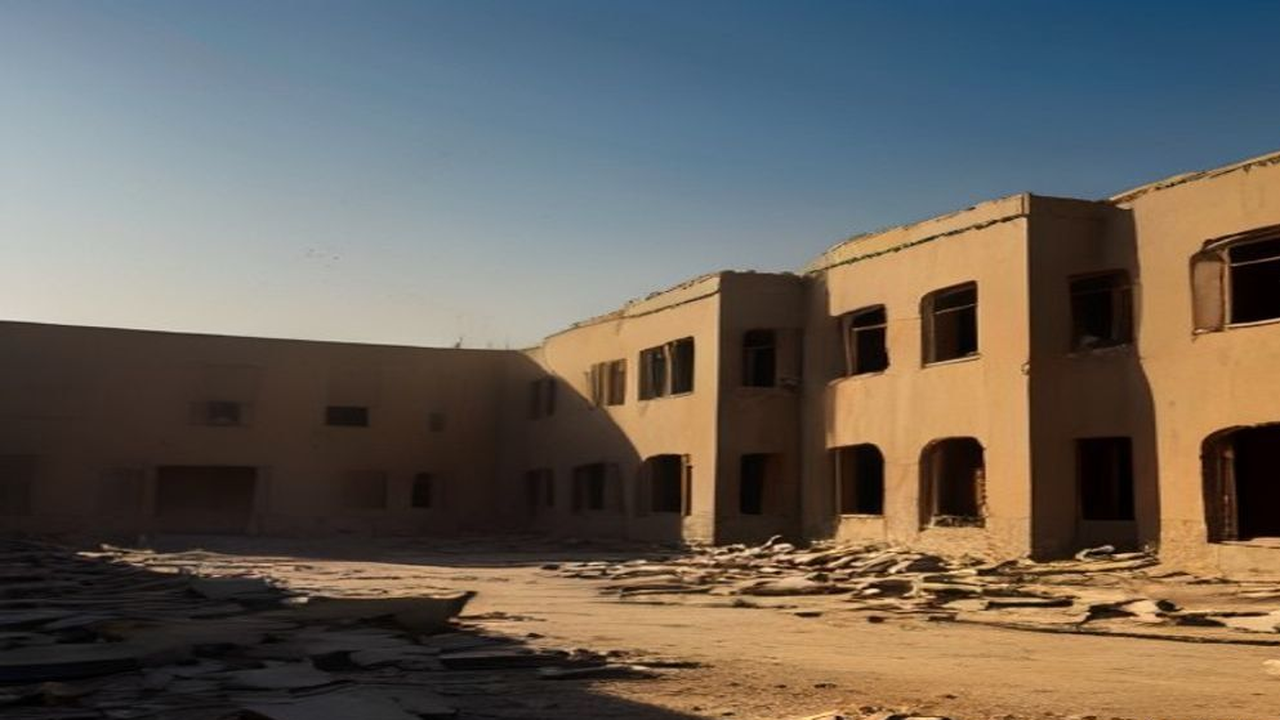
GENEVA / WASHINGTON / TEHRAN — September 17, 2026. A United Nations-backed fact-finding mission said Thursday there are “reasonable grounds” to believe U.S. forces committed war crimes in Iran during the opening hours of the war on February 28 — citing a strike on the Shajareh Tayyebeh school in the southern city of Minab that killed more than 150 people, including about 120 children, and a separate attack on a sports complex and residential area in Lamerd that killed twenty-two civilians.
The mission characterized both incidents as indiscriminate attacks under international humanitarian law. Parallel findings accused Tehran of crimes against humanity in the course of the conflict, underscoring that the investigators framed accountability as a two-sided dossier rather than a single-defendant brief. Still, the Minab school finding is the political shock: a mass-casualty strike on an educational site, attributed on reasonable grounds to U.S. military action, released into a week when CENTCOM is publicly insisting American forces “never targeted civilians.”
U.S. Central Command has denied responsibility for the Lamerd strike and has repeatedly argued that U.S. operations adhere to the laws of armed conflict and hit military or Islamic Revolutionary Guard Corps facilities. Capt. Tim Hawkins, speaking to Al Jazeera this week in a separate Hormuz interview, restated that line while defending operations near the strait after local reports of civilian deaths in Kuhestak. The UN mission’s language — “reasonable grounds,” not a final judicial verdict — leaves room for Washington to contest methodology, targeting intelligence and casualty attribution. It does not erase the headline that a UN-mandated body has placed U.S. airpower in the same week’s war-crimes conversation as Iranian abuses.
Fact-finding missions of this type do not issue binding convictions. Their power is documentary and diplomatic: they freeze contested incidents into an official narrative that can feed International Criminal Court referrals, national universal-jurisdiction cases, sanctions debates and domestic oversight hearings. For the Trump administration, already deep into a seventh month of war with Iran and already sanctioning ICC officials over Israel-related warrants, a UN finding on Minab arrives as both a legal exposure and a messaging problem with European and Global South publics.
Iranian state media will treat the report as validation. Western capitals that backed or tolerated the February campaign must now explain how a school strike with triple-digit child deaths fits rules of distinction and proportionality — or argue the mission got the facts wrong. Human rights organizations that have tracked both Iranian repression and coalition targeting errors will press for public release of strike videos, munition types and target packages. Pentagon lawyers will prepare classified rebuttals; political aides will try to keep the story inside the national-security frame rather than the atrocity frame.
The timing compounds the pressure. Oil markets remain unsettled by Hormuz disruption and Red Sea spillover. Trump has claimed the war is “hopefully toward the end” and that he has spoken “directly” with Tehran, even as Iranian officials condition talks on U.S. compliance with the collapsed June memorandum. A UN war-crimes finding does not stop missiles, but it raises the cost of every additional contested strike and hardens the bargaining table for any ceasefire that must also address accountability.
What happens next is institutional. Member states can ignore the mission, fund follow-on investigations, or weaponize selected paragraphs. Congress can demand the targeting folders for Minab and Lamerd or dismiss the report as biased. Courts and prosecutors outside the United States can open preliminary examinations that outlast this administration. For Peter’s World readers, the durable point is narrower: on September 17, 2026, a UN-backed body put “reasonable grounds” for U.S. war crimes in Iran into the public record, with a school full of children at the center of the allegation — and Washington’s standing reply remains that it does not target civilians. Those two sentences now travel together.