DUBAI / WASHINGTON — September 17, 2026. U.S. Central Command insists the Strait of Hormuz “remains open.” Commodity ship-tracking data published Thursday say Wednesday’s visible transits fell to three vessels — a clash of narratives that now matters as much as any boarding or mine clearance in the world’s most important oil choke point.
Capt. Tim Hawkins, a CENTCOM spokesman, told Al Jazeera that traffic “continues to flow,” rejected the idea that Iran controls the waterway, and said U.S. forces since early May have assisted commercial ships carrying more than 900 million barrels of crude through the strait. Hawkins described two simultaneous missions: facilitating commercial traffic and enforcing what he called a highly effective blockade that has redirected more than one hundred ships attempting to violate it. He added that internationally recognized primary shipping lanes were cleared of mines weeks ago and that American forces “remain vigilant” to keep them clear. “The strait is open. Those lanes are open. And that is why commercial vessels continue to flow through them,” he said.
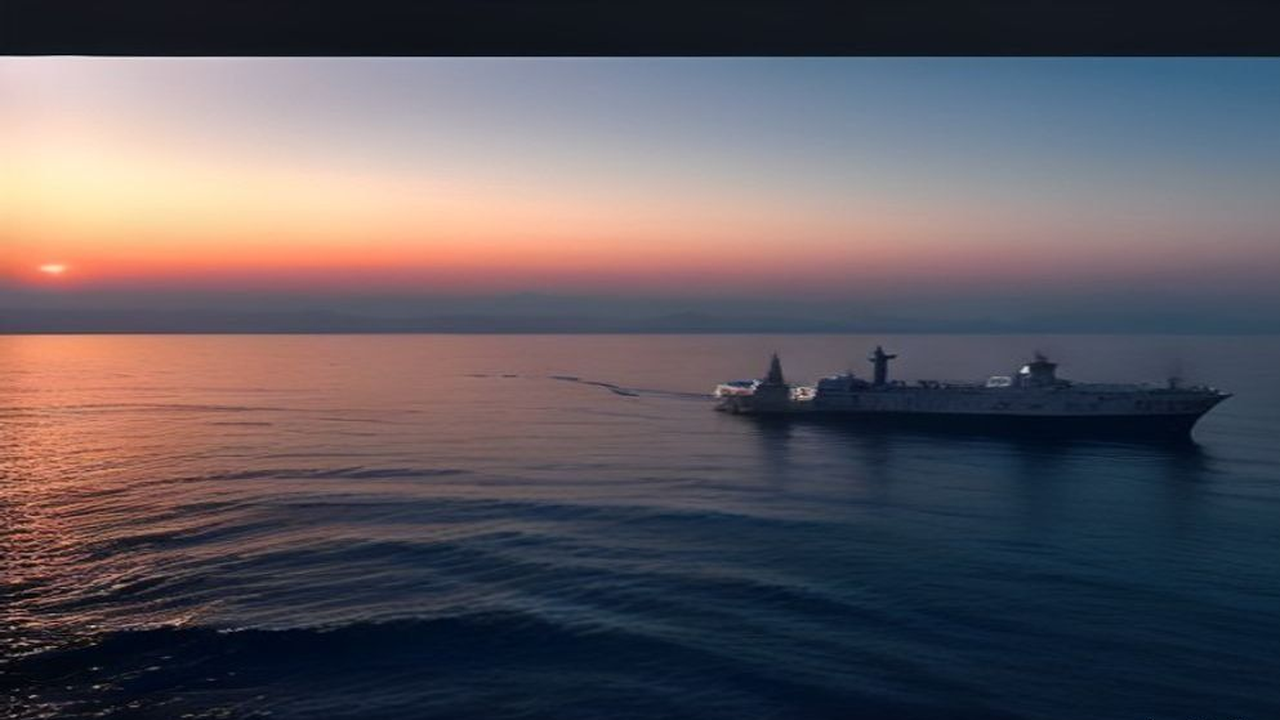
Reuters, citing preliminary Kpler data on Thursday, reported a different texture of “open.” Commodity vessel transits through Hormuz dwindled to three ships on Wednesday, down from twelve a day earlier and well below a ten-day average of about seventeen. The count excludes hulls that may have sailed with Automatic Identification System transponders off. Of the three, Kpler showed an empty Supramax dry-bulk ship entering via the Iranian route, an empty product tanker entering via a dark route, and a Panamax tanker exiting dark. Bab el-Mandeb crossings eased in parallel to twenty-one from twenty-four as Saudi–Houthi fighting widened Red Sea risk.
Both statements can be narrowly true. CENTCOM measures cumulative barrels assisted and lane clearance over months; Kpler measures how many commercial hulls still dare a single calendar day. Insurers, charterers and Asian refiners live in the second world. A strait that is legally and militarily “open” but commercially near-empty behaves like a closed strait for price formation — especially with Brent already elevated by Gulf war risk and Saudi East-West pipeline damage earlier this month.
The information fight is deliberate. Tehran has framed Hormuz as under Iranian “smart control” and has threatened penalties against vessels that ignore Iranian routing. Washington needs to show allies and markets that U.S. presence still delivers barrels and that Iranian mine and intimidation narratives are overstated. Hawkins’s 900-million-barrel figure and the hundred-plus redirects are designed for that audience. The three-ship Wednesday is designed for the opposite conclusion: that owners are waiting, dark-routing, or diverting until war-risk premiums and detention threats fall.
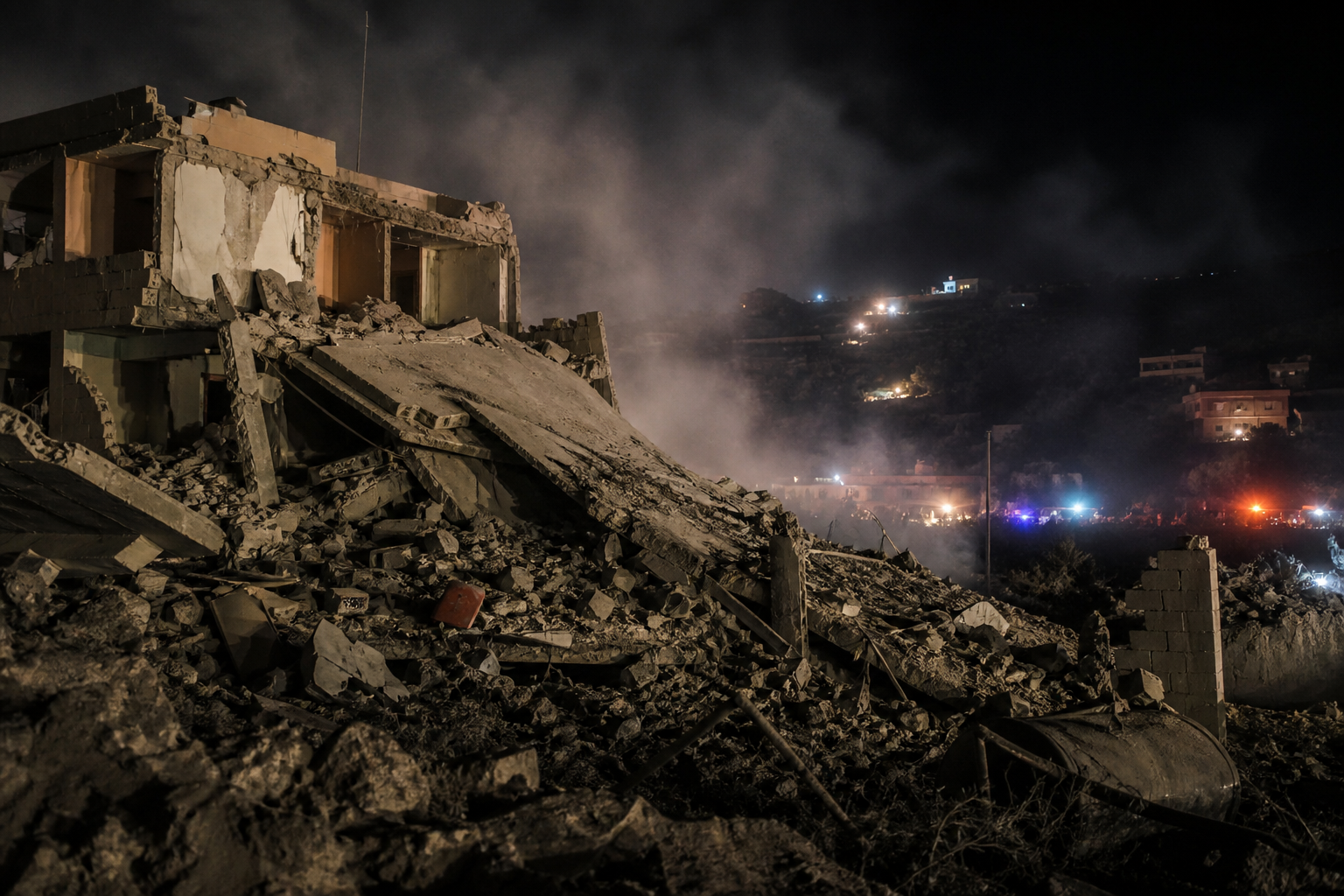
Hawkins also used the Al Jazeera interview to defend U.S. targeting after questions about civilian harm in southern Iran, including reports of a wedding strike in Kuhestak earlier this month. He said American forces “strictly adhere to the laws of armed conflict,” target military and IRGC facilities, and have “never targeted civilians,” while claiming Iran’s navy has been “essentially eliminated” and missile capacity significantly degraded. Those claims now sit beside a separate UN fact-finding finding on U.S. strikes — a legal and political pressure track that CENTCOM messaging cannot wall off from the Hormuz story.
For shipping desks, the practical test is simple: do fixture volumes and AIS densities recover, or do three-ship days become the new normal? For navies, the test is whether mine-free primary lanes and escorted windows persuade owners to sail daylight again. For energy ministers, the test is whether cumulative CENTCOM barrel counts outrun the daily traffic collapse that still shows on commodity screens. Until those three metrics converge, “Hormuz is open” remains a military sentence and a market question — and Thursday’s Reuters print of three Wednesday transits is the market’s current answer.