Russia Launches 212 Drones and Missiles; Four Killed at Dnipro Plant
Russia launched 212 drones plus cruise and ballistic missiles at Ukraine, killing four at Dnipro’s Interpipe plant ahead of a Zelenskyy–Trump meeting.
KYIV / DNIPRO — September 22, 2026. Russia loosed two hundred twelve drones overnight alongside Oniks cruise missiles, ballistic missiles, four Kalibr cruise missiles and eight Banderol systems, Ukrainian officials said, with air defenses destroying or jamming one hundred eighty-six aerial threats — including one Kalibr, eight Banderols and one hundred seventy-seven Shahed-type and related drones — while impacts still landed at twenty-two locations, according to Ukrainska Pravda, Reuters and Hromadske accounts compiled Tuesday morning.
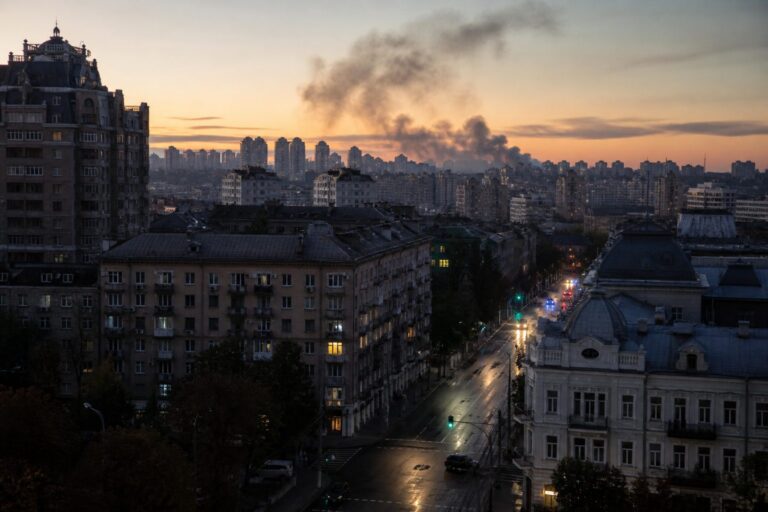
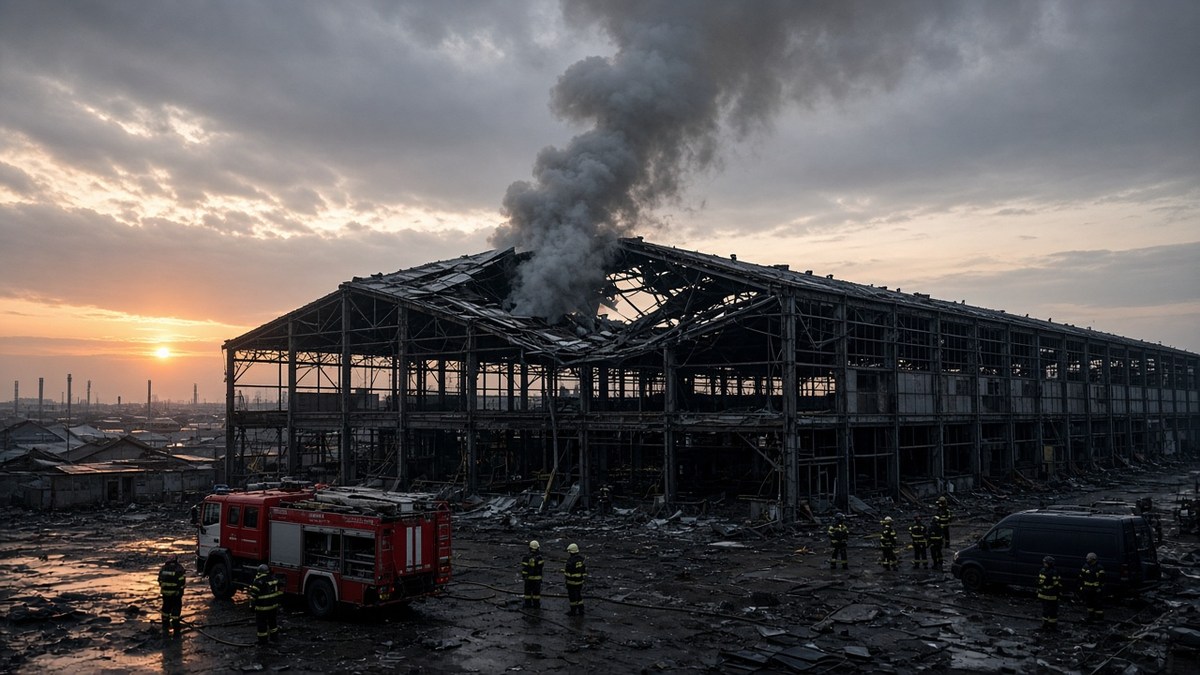
The deadliest confirmed strike hit the Interpipe pipe plant in Dnipro. The company said four workers were killed and seven wounded — a precise industrial toll that cuts through the abstraction of overnight tallies. Separate impacts and disruptions were reported in Kryvyi Rih and Pavlohrad. In Chernihiv region, roughly one hundred thousand people were left without power. A Naftogaz oil and gas site in Poltava suffered critical damage. In Kyiv, falling debris caused injuries even where most inbound systems were stopped. The mix of mass drones, cruise missiles and ballistic shots is designed to saturate radars, force magazine expenditure and still land enough warheads on industry and energy to keep Ukrainian cities unsettled.
Timing sharpened the politics. The package arrived hours before President Volodymyr Zelenskyy was due to meet President Donald Trump on the United Nations sidelines in New York. Moscow’s message to that bilateral is familiar: Ukraine remains under pressure no matter who sits across from Trump, and industrial plants that feed reconstruction and defense supply chains are not off-limits. Kyiv’s message is equally familiar: air defenses can stop most of a two-hundred-twelve-drone wave and still leave four dead at a pipe plant, a hundred thousand without power and critical energy damage — proof that volume warfare works even when intercept rates look high on paper.
How This Wave Differs From Earlier Strikes
Sunday’s Ukrainian strike on Moscow and Monday’s one-hundred-seventy-two-drone Russian package belonged to separate operational days. Tuesday’s inbound mix — two hundred twelve drones plus Oniks, ballistic, four Kalibr and eight Banderol — is Russia’s next press of the magazine, not a restatement of the weekend capital assault.
Energy and industry remain the preferred winter levers. Critical damage at a Poltava Naftogaz site and a mass outage affecting about one hundred thousand in Chernihiv show the grid and fuel system under stress again as autumn deepens. Interpipe’s dead and wounded show that manufacturing floors are part of the same campaign. Russian planners treat winter apartments and damaged plants as bargaining tools; Ukrainian planners answer with deep strikes on Russian refineries even as diplomats talk about energy restraint that has not held.
What the overnight package measures, hours before Zelenskyy sits with Trump, is leverage through volume. Russia demonstrates it can still push more than two hundred drones plus cruise and ballistic shots into Ukraine in a single night and kill workers inside a named plant. Ukraine demonstrates it can neutralize one hundred eighty-six threats and still absorb hits at twenty-two places. Until a verified halt appears — or until magazines run short — Dnipro’s pipe floor, Chernihiv’s dark grid and New York’s bilateral calendar will keep trading the same currency: unmanned saturation as politics by other means.
Sources
- Hromadske: Russia launches 200+ drones and missiles at Ukraine, killing 4 in Dnipro
- Ukrainska Pravda: Russian missile attack hits Interpipe facility in Dnipro, killing four, injuring seven
- Ukrinform: Four Interpipe employees killed in missile strike