Sudan’s Kordofan Corridor Becomes War’s Decisive Hinge
Al Jazeera maps how North, South and West Kordofan link SAF-held centers to RSF Darfur, with el-Obeid under rising drone threat and mass displacement.
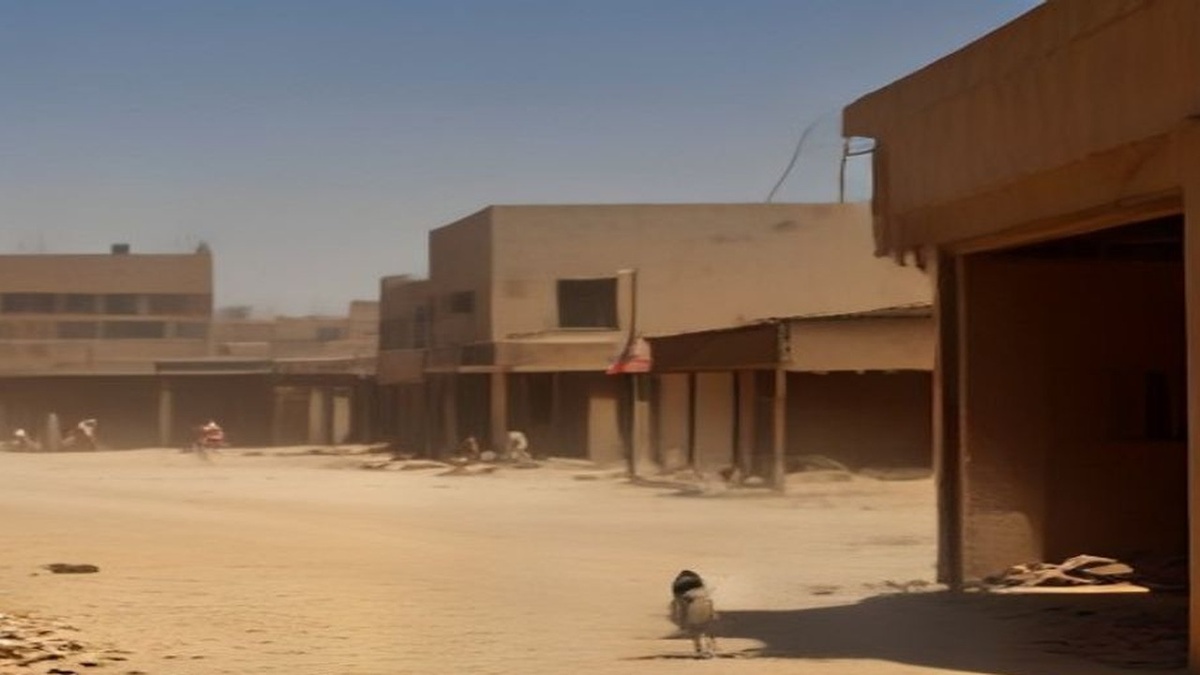
KHARTOUM / EL-OBEID — Fighting in Sudan’s Sudan Kordofan war has become a central corridor battle in the fourth year of war between the Sudanese Armed Forces and the paramilitary Rapid Support Forces, Al Jazeera reported on October 1, mapping how North, South and West Kordofan sit between army-held central Sudan and RSF-dominated Darfur.
Since late 2025, after the fall of el-Fasher, attention has shifted to Kordofan as the hinge linking east and west. The army has pushed the RSF out of much of North Kordofan, while South Kordofan remains contested and the RSF retains western depth. Al Jazeera’s analysis of Armed Conflict Location and Event Data (ACLED) counts found 14,648 recorded attacks nationwide from April 15, 2023, to September 19, 2026, with the three Kordofan states together accounting for about 19.7 percent of all attacks—second only to Khartoum when combined.
El-Obeid and the air war
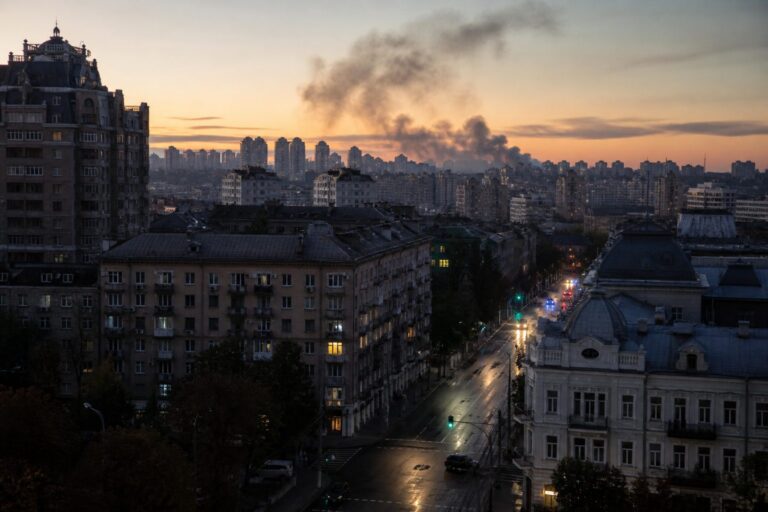
In North Kordofan, Sheikan locality—home to the state capital, el-Obeid—accounted for 497 of the state’s 1,205 recorded attacks. El-Obeid is a commercial and administrative hub; taking it would open an RSF route toward Khartoum. Al Jazeera cited a September 9 drone strike on a college in el-Obeid that killed a security guard, with the college dean describing the faculty as destroyed. Drone strikes on towns across North Kordofan are growing more frequent, the report said, hitting civilian infrastructure as the battle is increasingly fought from the air.
ACLED has recorded at least 12,314 reported fatalities in Kordofan since April 2023. Across the three states, the SAF was associated with 46 percent of attacks, the RSF with 32 percent and other actors with 22 percent. Hotspots in South Kordofan include Dilling, Kadugli and Al Quoz; West Kordofan attacks were more evenly spread across Babnusa, En Nuhud, Al Khiwai and Abu Zabad.
Displacement and a looming siege risk
About 8.6 million people remain internally displaced across Sudan, according to the latest U.N. figures cited by Al Jazeera, down from a January 2025 peak as returns rose in army-retaken areas including Khartoum. Yet the International Organization for Migration warned that people newly displaced in Kordofan since fighting escalated in October 2025 rose 65 percent in four months to at least 219,000 by late June. El-Obeid shelters about 500,000 people, including more than 83,000 displaced; IOM Director General Amy Pope said warning signs of a full-scale invasion threat were “impossible to ignore.”
For outside mediators who still treat Sudan as a secondary file beside Gaza and Ukraine, the Kordofan map is the strategic story: whoever holds the corridor shapes whether Darfur and the Nile heartland remain two wars or one. Aerial escalation against civilian sites in el-Obeid will define whether 2026 ends in siege dynamics or a frozen front—and whether humanitarian corridors can exist at all along the east-west hinge.
Sources
- Al Jazeera: The battle for Kordofan corridor linking Sudan’s east and west
- Arab News/Reuters: Sudan’s RSF steps up deadly drone attacks on frontline cities
- Radio Tamazuj: Drone strike kills guard at university college in El Obeid