Araghchi Pitches Seven-Day Hormuz Roadmap at UNGA
At the UN, Iran’s Abbas Araghchi said Tehran gave Washington a seven-day roadmap to reopen Hormuz, lift the blockade and restart nuclear talks.
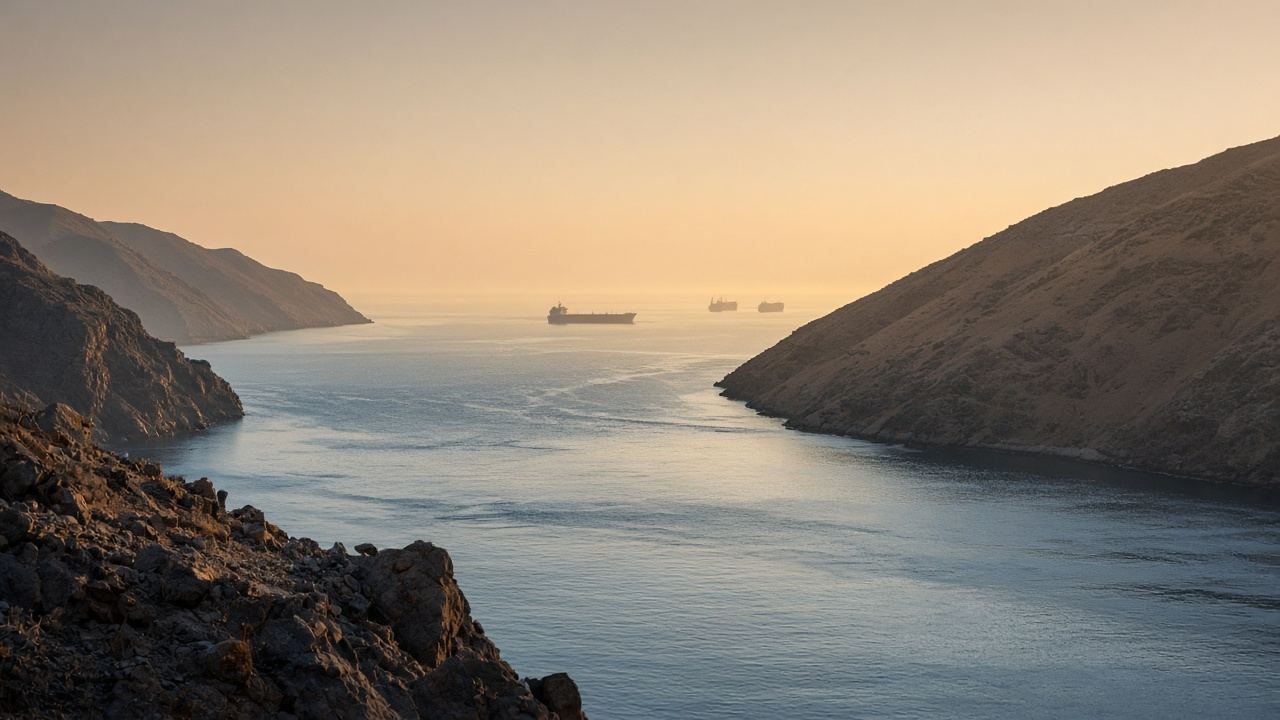
NEW YORK — September 25, 2026. Iranian Foreign Minister Abbas Araghchi used the United Nations General Assembly sidelines to put a public clock on reopening the Strait of Hormuz, telling reporters Tehran had passed Washington a seven-day roadmap through mediators that would end hostilities, lift the U.S. blockade and restart nuclear talks if American conditions are met first.
Araghchi said the plan tracks the June memorandum of understanding that briefly eased fighting before collapsing. In his telling, once Washington accepts the package, a seven-day timetable begins: U.S. military pressure eases, the naval blockade of Iranian ports is lifted, frozen Iranian assets — estimated by Iranian briefers at least in the low tens of billions of dollars — are released, and oil-related sanctions are waived. On day seven, Hormuz would reopen and comprehensive nuclear negotiations would resume. “The moment they accept this plan, from the next day, this timetable can start,” he said, according to multiple outlets covering the Thursday briefing.
Qatari mediation remains the channel. Araghchi’s New York contacts with U.S. envoy Steve Witkoff and Jared Kushner earlier in the week — already a hardliner flashpoint in Tehran — sit behind the public pitch. A White House official told U.S. media the administration was having “positive and constructive discussions through the mediators,” while other officials signaled Washington would not rush into any deal that looked like sequencing concessions before Iranian performance. President Donald Trump has accused Tehran of waiting out November’s U.S. midterms; Araghchi answered that a pre-election deal would be better but that Iran “doesn’t care about the timing.”
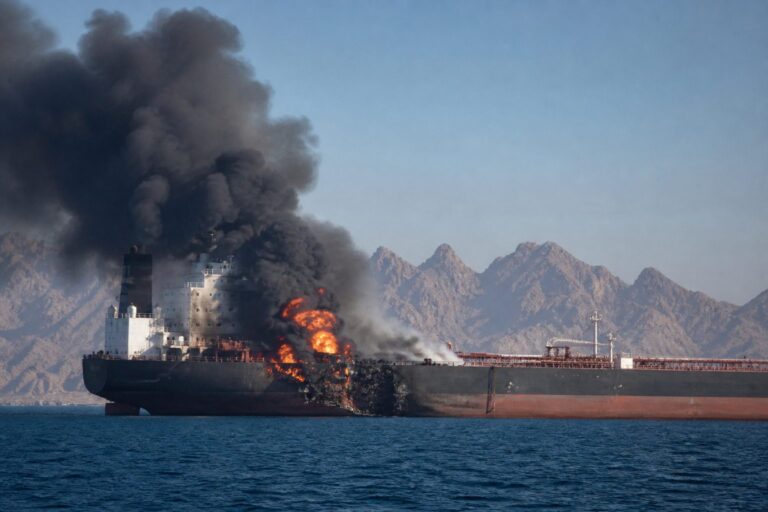
The stakes are commercial as much as military. Hormuz restrictions have kept a wartime premium on oil and gas just as Houthi attacks squeeze Saudi Red Sea outlets. Iran’s public seven-day frame is designed to shift blame for high fuel prices onto U.S. refusal, while preserving Tehran’s insistence that blockade relief precedes strait reopening. Washington’s counter-insistences — verified Iranian restraint, no return to the broken June text as-is, and freedom to reapply force — remain unresolved. Until one side blinks on sequencing, Araghchi’s roadmap is a diplomatic product for New York cameras more than a signed ceasefire.
Sources
- Al Jazeera: Iran pitches seven-day roadmap to end conflict with US
- The Seattle Times: Iran proposes a deal to reopen the Strait of Hormuz in 7 days if the US meets its conditions