The renewed U.S.–Iran fighting of September 1–2, 2026 is not only a military event. It is a political and economic stress test for Washington in the final stretch before November midterm elections, with oil prices, Gulf basing politics, and civilian casualty claims all feeding the domestic debate.
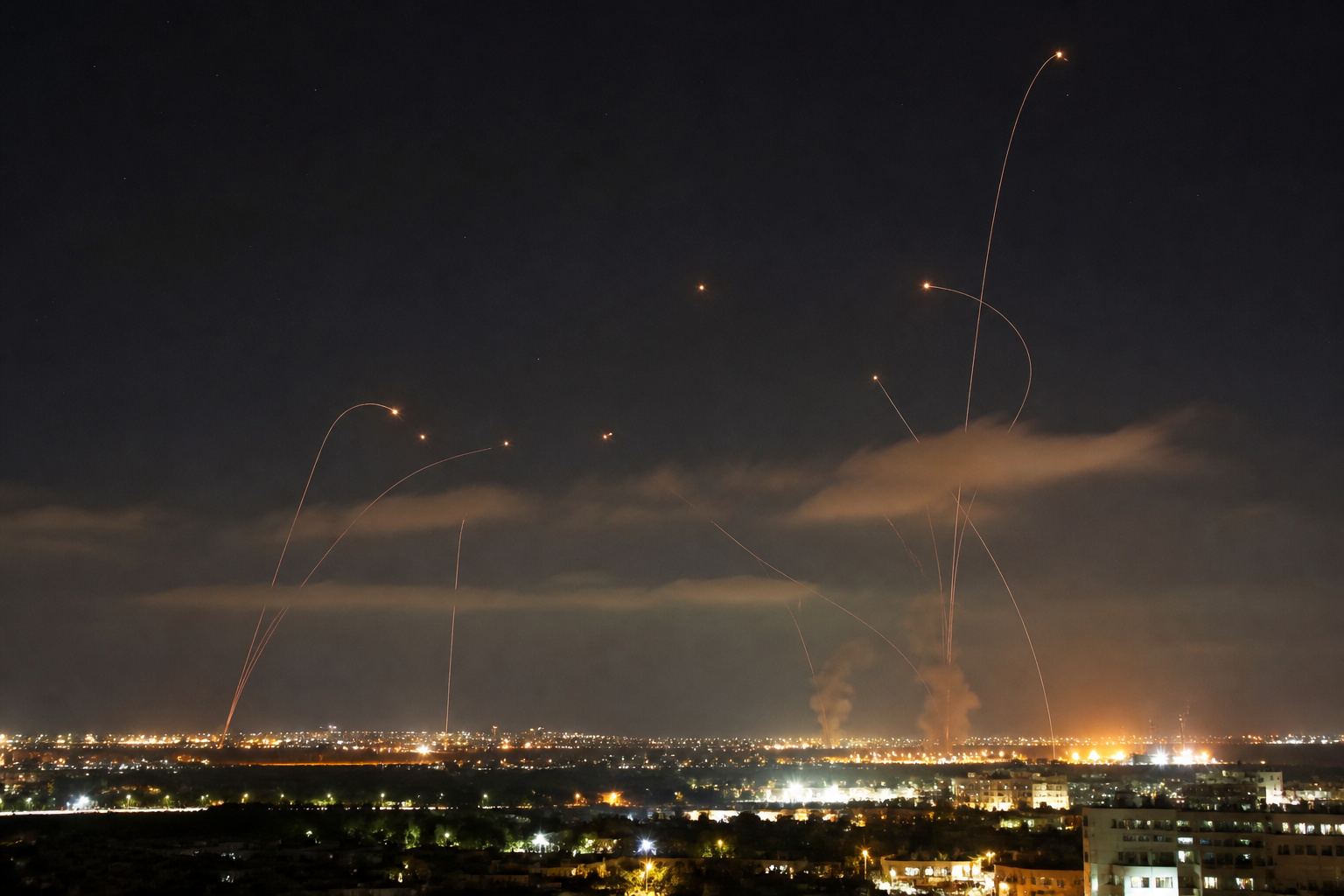
After a month-long lull, American strikes on Iranian military targets and Iranian missile and drone replies across Jordan, Bahrain, Kuwait, and Iraq have returned the conflict to the center of the news cycle. Markets responded with another Hormuz-linked risk premium as Brent moved back above the low-$90s. That price action matters in U.S. politics: higher energy costs are felt quickly by voters, and Republicans already face a difficult congressional map.
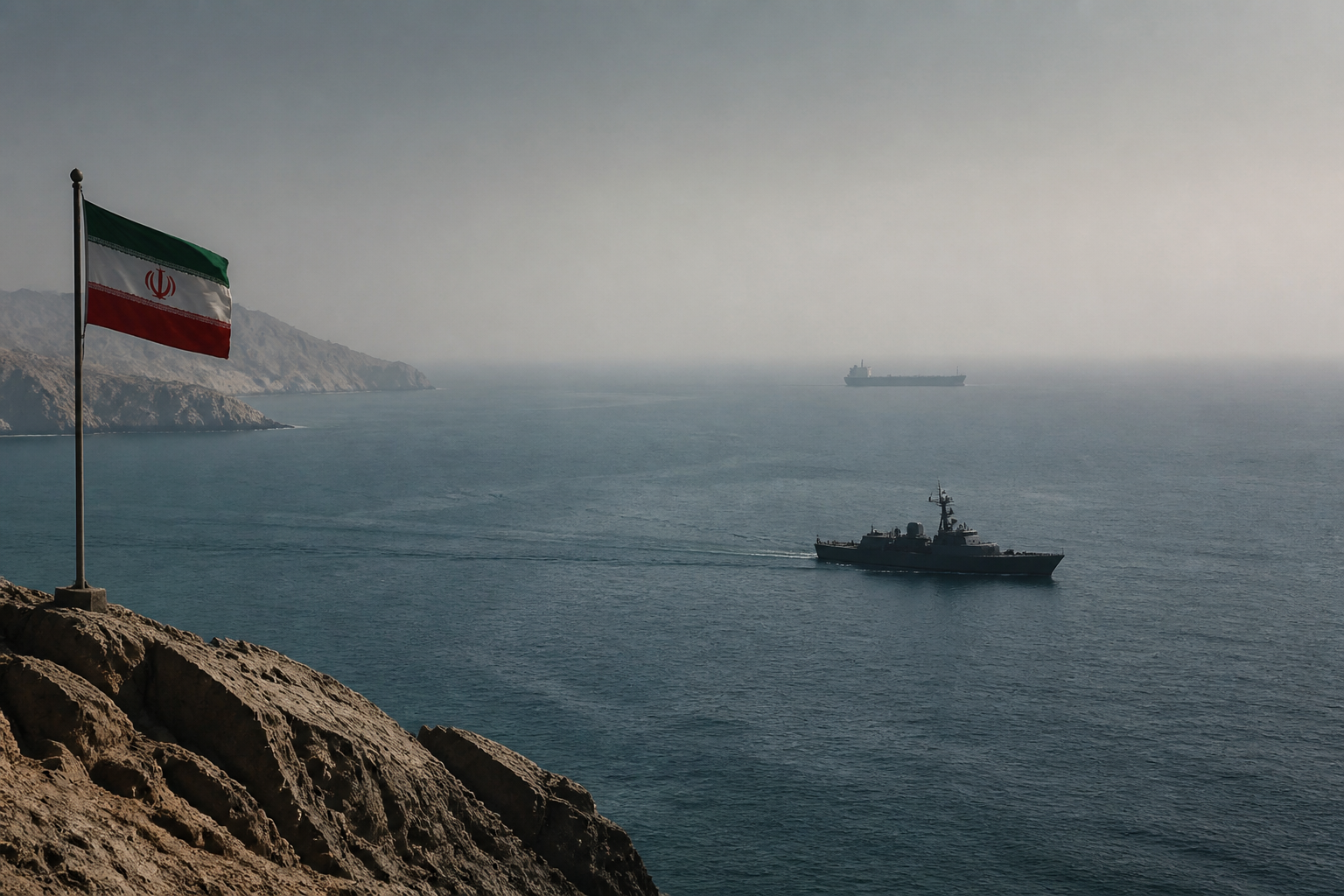
The war’s strategic logic and its electoral logic are pulling in different directions. Militarily, U.S. Central Command frames strikes as responses to IRGC pressure on shipping and U.S. forces, and as necessary to keep pressure on a hostile Iran that has treated Hormuz as leverage since the spring. Politically, each new barrage revives questions about munitions stocks, open-ended escalation, and whether limited strikes can produce a stable end-state after six months of intermittent war.
Iran understands the calendar. By answering American blows with multi-country attacks on host-nation facilities, Tehran raises the alliance cost for Gulf partners and the political cost for Trump’s coalition at home. Iranian officials have also seized on the Kuhestak wedding deaths to push a war-crime narrative designed for global media and domestic mobilization. Even if U.S. investigators contest intent, the images travel faster than clarifications.
Diplomacy remains stuck. Earlier interim arrangements collapsed over the strait and related terms; public signaling from Tehran now mixes calls for a return to prior understandings with vows of crushing retaliation. Washington’s accompanying economic pressure, including recent sanctions designed to force talks, has not produced a visible negotiating breakthrough.
For midterm politics, the danger is not only a dramatic new theater war. It is attrition: weeks of expensive energy, scary headlines, and no clear off-ramp. That environment rewards simple attack lines and punishes complex military explanations. Unless the administration can show either restored Hormuz commerce or a credible diplomatic freeze, September’s escalation will keep converting a distant chokepoint crisis into a near-term American political liability.