SEOUL / WASHINGTON — September 18, 2026. South Korean President Lee Jae Myung said Friday that a Trump–Kim dialogue remains difficult but possible, while drawing a hard line against any troop dispatch that would pull Seoul into the Iran war — a dual message aimed at managing U.S. pressure on both the Korean Peninsula and the Strait of Hormuz.
“Trump clearly wants dialogue with North Korea,” Lee told a televised press conference, adding that the chance of talks “cannot be ruled out although it would be admittedly difficult.” He said Seoul is continuing “preliminary coordination efforts” to facilitate U.S.–North Korean dialogue and argued that restarting that channel would be “far easier” than restoring inter-Korean talks and could help both. Trump has separately said he hopes to meet Kim Jong Un later this year and stressed the need to “get along,” citing Pyongyang’s growing nuclear arsenal; Seoul’s own assessments put the North’s warhead stockpile higher than Trump’s public figure. North Korea has not clearly answered the outreach.
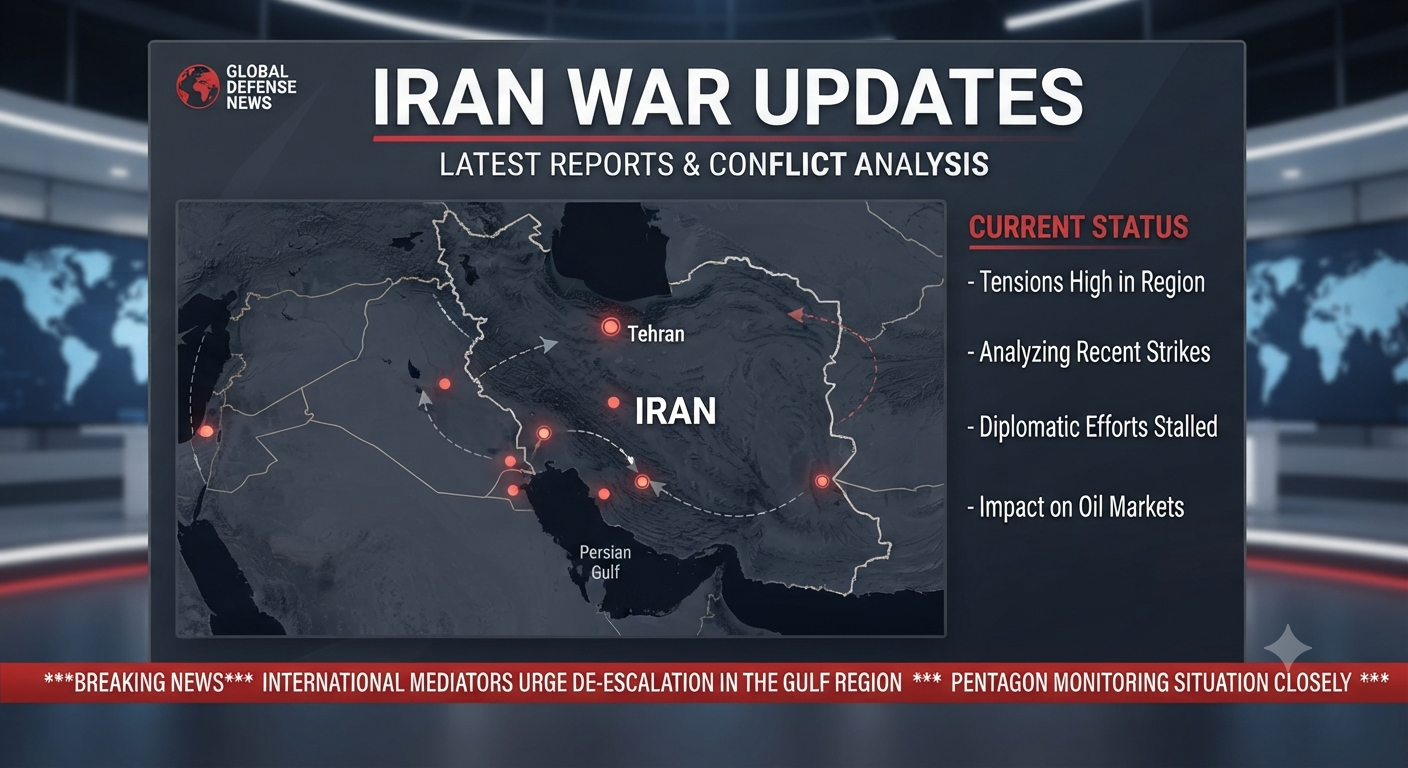
On Hormuz, Lee repeated three times that South Korea will not enter the fight. “Let it be clear. There will be no dispatch of troops that will lead to involvement in a conflict. There will be no engagement or involvement in war,” he said, insisting the no-war-involvement principle “has been observed so far and will continue.” At the same time, he argued Seoul must conduct “at least the minimum level of activities” to protect citizens, ships and crude routes “as other countries do.” The Cheonghae Unit has already expanded mission scope in the region, and Lee acknowledged the government is “reviewing and thinking about ways to strengthen” those measures — language that leaves room for navigation protection without combat participation. Public protests in recent weeks against a potential Hormuz deployment have sharpened the domestic constraint.
Diplomacy in Washington tracks the same split screen. Foreign Minister Cho Hyun is meeting Secretary of State Marco Rubio with an agenda expected to cover South Korea’s large U.S. investment commitments under the 2025 tariff framework, possible maritime support options short of war, and coordination on North Korea. Lee said Seoul is in a “fierce debate” with Washington to finalize the first investment project in a commercially reasonable way — a reminder that alliance management now bundles shipyards, power plants and chokepoint politics.
The strategic bet is compartmentalization. Lee wants to be useful on Trump–Kim optics and on protecting Korean tankers without becoming a combatant in a Gulf war that Korean public opinion rejects. Washington wants more flag presence near Hormuz and continued leverage on Pyongyang. If Cho can trade investment delivery and limited Cheonghae-style presence for U.S. patience on combat red lines, Seoul keeps both files open. If Trump treats Hormuz burden-sharing as a loyalty test, Lee’s repeated no-war formula will be stress-tested quickly.
Friday’s press conference therefore drew the boundary Seoul intends to defend: facilitate talks with Kim if Trump can reopen them, escort and protect Korean maritime interests if required, and refuse any deployment that means fighting Iran. Whether that boundary holds depends less on Lee’s adjectives than on what Rubio asks next — and on how loudly the White House links alliance favors to Gulf risk. For now, Lee has told both audiences what he will and will not do; the test is whether Washington treats that clarity as partnership or as insufficient burden-sharing in a war Seoul did not choose.