U.S. Energy Secretary Chris Wright said a nuclear agreement with Iran may never materialize and that Washington might instead finish the job by destroying Tehran remaining capabilities, even as he argued that oil flows through the Strait of Hormuz are climbing back toward usable wartime levels.
Speaking on ABC This Week, Wright said there may not be a nuclear agreement and that it may be simply destroying their capabilities, with a deal possibly awaiting a next administration in Iran. On CBS Face the Nation the same news cycle, he said the United States is always open for a deal and that President Trump prefers negotiated settlements when possible. The dual message captures the administration posture six months into a war launched with U.S.-Israeli strikes on February 28.
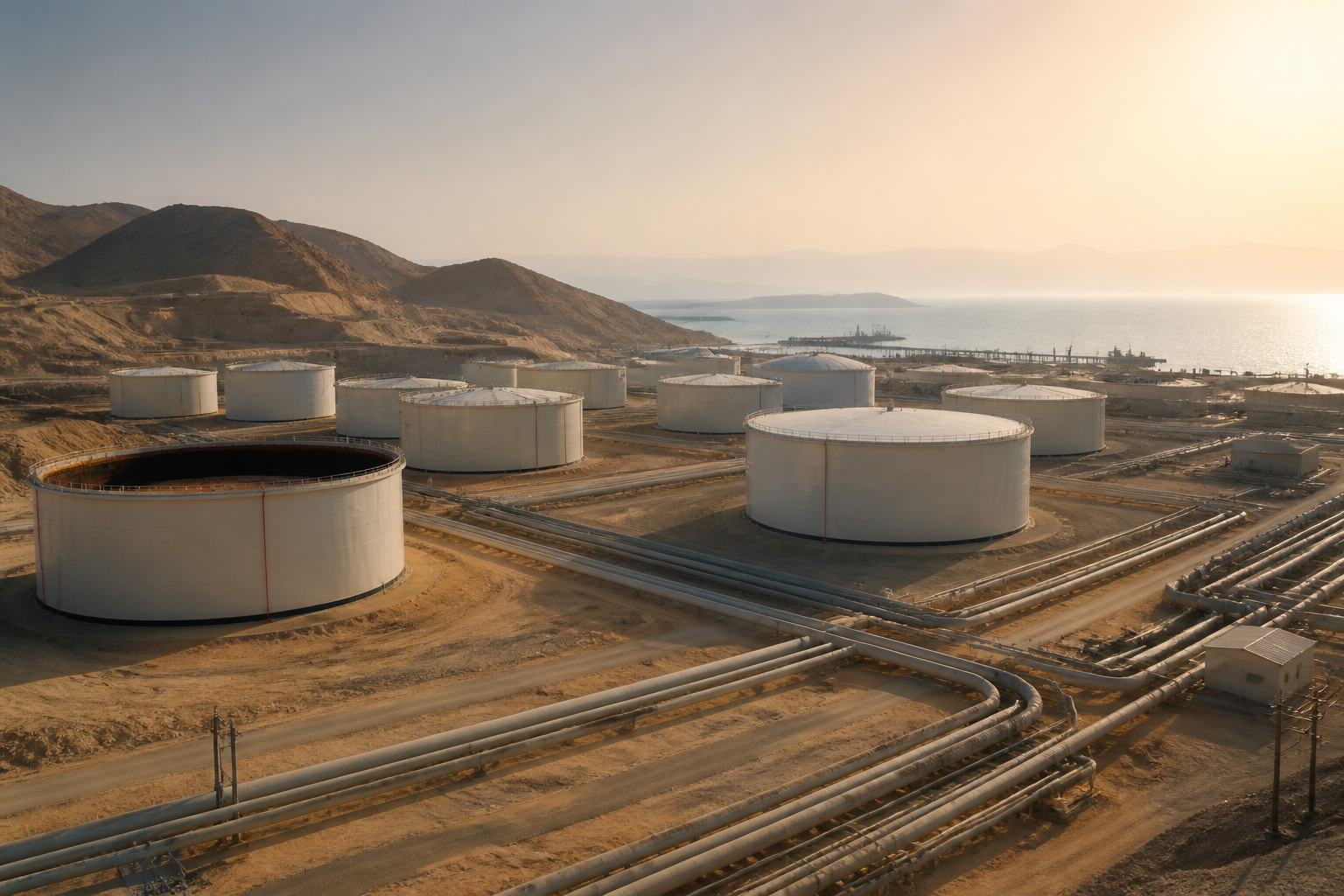
Wright told ABC the seven-day average through Hormuz was a little over nine million barrels a day, which he called the highest such average of the war, and said bypass pipelines through Saudi Arabia and the UAE lift total regional outflows to roughly 13 to 14 million barrels a day. To CNN, he put the combined picture at two-thirds or more of pre-conflict flows and said the United States Navy is winning that battle, according to reporting by CNA, Iran International, and Anadolu Agency.
Independent shipping trackers have often shown lower Hormuz averages than senior U.S. officials advertise, and Iranian crude loadings remain a fraction of pre-war volumes under the U.S. blockade. Wright folded the oil story into a broader degradation narrative, saying Iran nuclear, navy, and air force capabilities are being taken apart while U.S. forces push more oil through the strait.
The policy risk is coherence. If a nuclear deal is optional, the end state becomes permanent military suppression plus a long blockade. If a deal remains the preferred exit, each new maritime strike and each Iranian restricted-zone announcement makes bargaining harder. Markets and midterm voters will judge which line is real by whether nine million barrels a day through Hormuz becomes a sustained floor or a Sunday talking point overtaken by the next tanker fire.