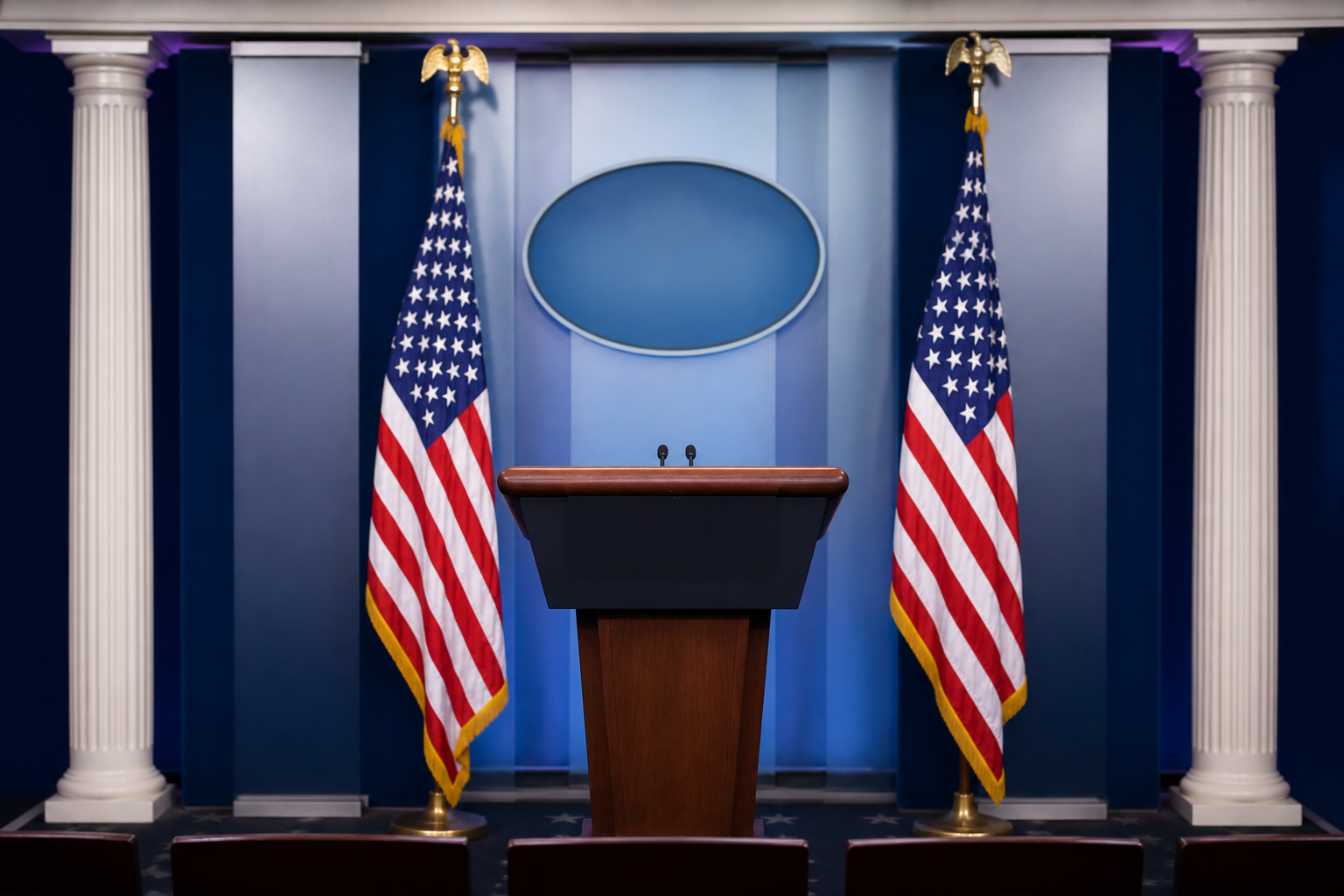
U.S. Vice President JD Vance told a White House briefing that he would not call the six-month U.S.–Iran conflict a war, even as Washington tightened an economic blockade and the European Union formally aligned with a U.S.-led financial pressure campaign named Operation Economic Outcast.
“I wouldn’t call it a war. Right now, there is no active shooting,” Vance said when asked whether the fight would be finished by the November midterms. He argued that major combat had lasted about six weeks after the February 28 opening salvo and that flare-ups since then should not redefine the whole campaign. In the same period, Vance also said “everything” remained on the table — economic, military, diplomatic, and covert tools — and that the administration would not preview Trump’s next moves.
Treasury Secretary Scott Bessent announced that the European Union had “officially joined” Operation Economic Outcast, praising what he called an early and strong stance. The EU statement, shared by Bessent, reiterated demands that Iran curb its nuclear and ballistic-missile programs, end destabilizing regional activity, stop supporting Russia’s war in Ukraine, and halt domestic repression, while stressing the need to restore safe transit through the Strait of Hormuz. Brussels said it remained ready to take further measures to protect freedom of navigation.
The rhetorical downgrade from “war” to intermittent conflict is politically useful in Washington and strategically incomplete. Iranian missile and drone attacks on U.S.-linked facilities in Kuwait, the UAE, Bahrain, Jordan, and Iraq this week were not peacetime diplomacy. Neither was the U.S. naval effort that has crushed Iranian crude loadings, nor the JMIC “severe” maritime threat level around Hormuz. Labeling matters because it shapes legal framing, alliance expectations, and domestic tolerance for open-ended operations.
Vance’s formulation tries to buy time: keep coercive tools running, deny that America is trapped in a forever war, and push the burden of “when will this end” onto Iranian decisions about shipping attacks. Europe’s entry into the economic campaign suggests partners are more willing to squeeze Iran’s remaining financial channels than to join U.S. combat operations. That split — economic solidarity without military coalition — is now the West’s actual Iran strategy heading into the midterms.