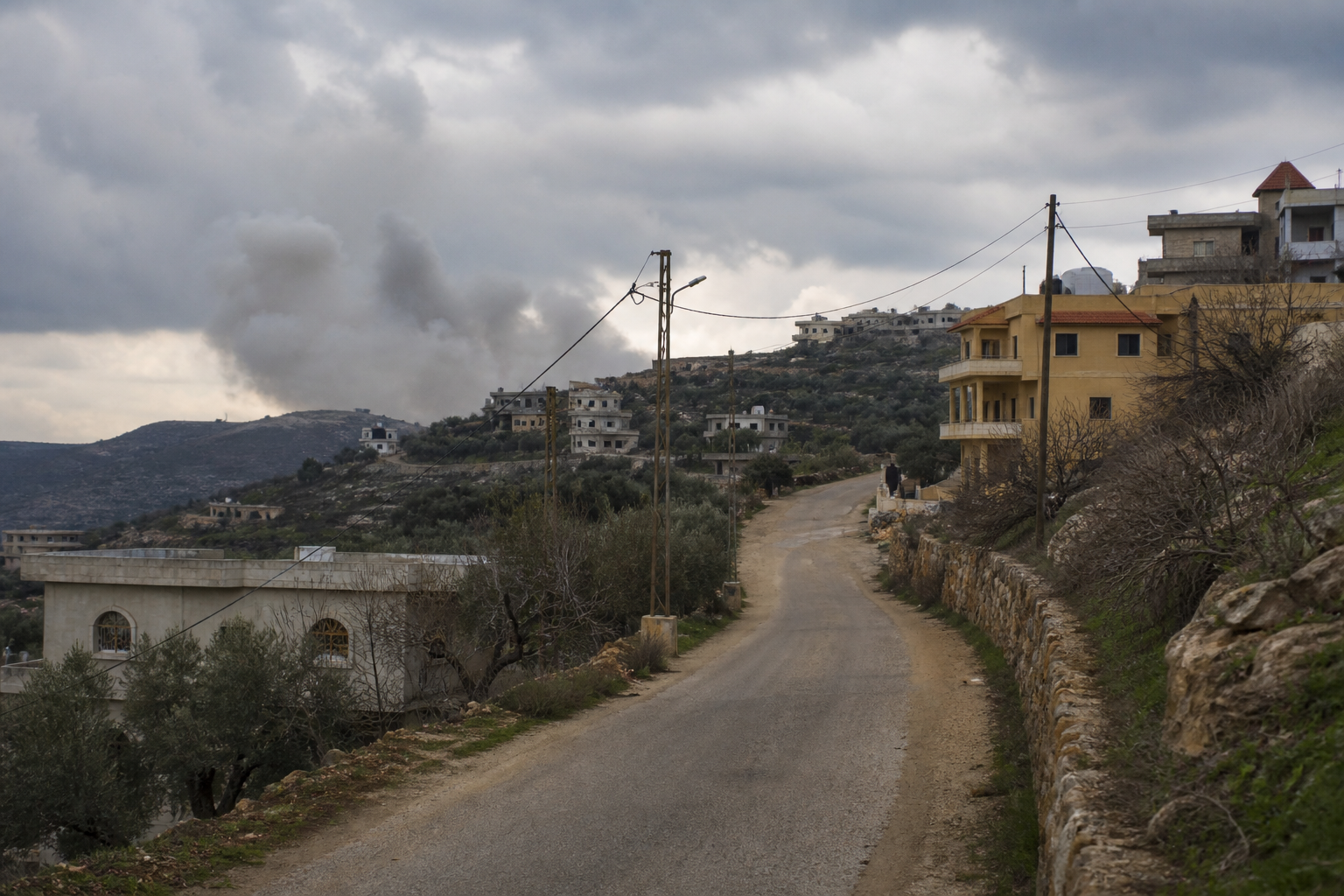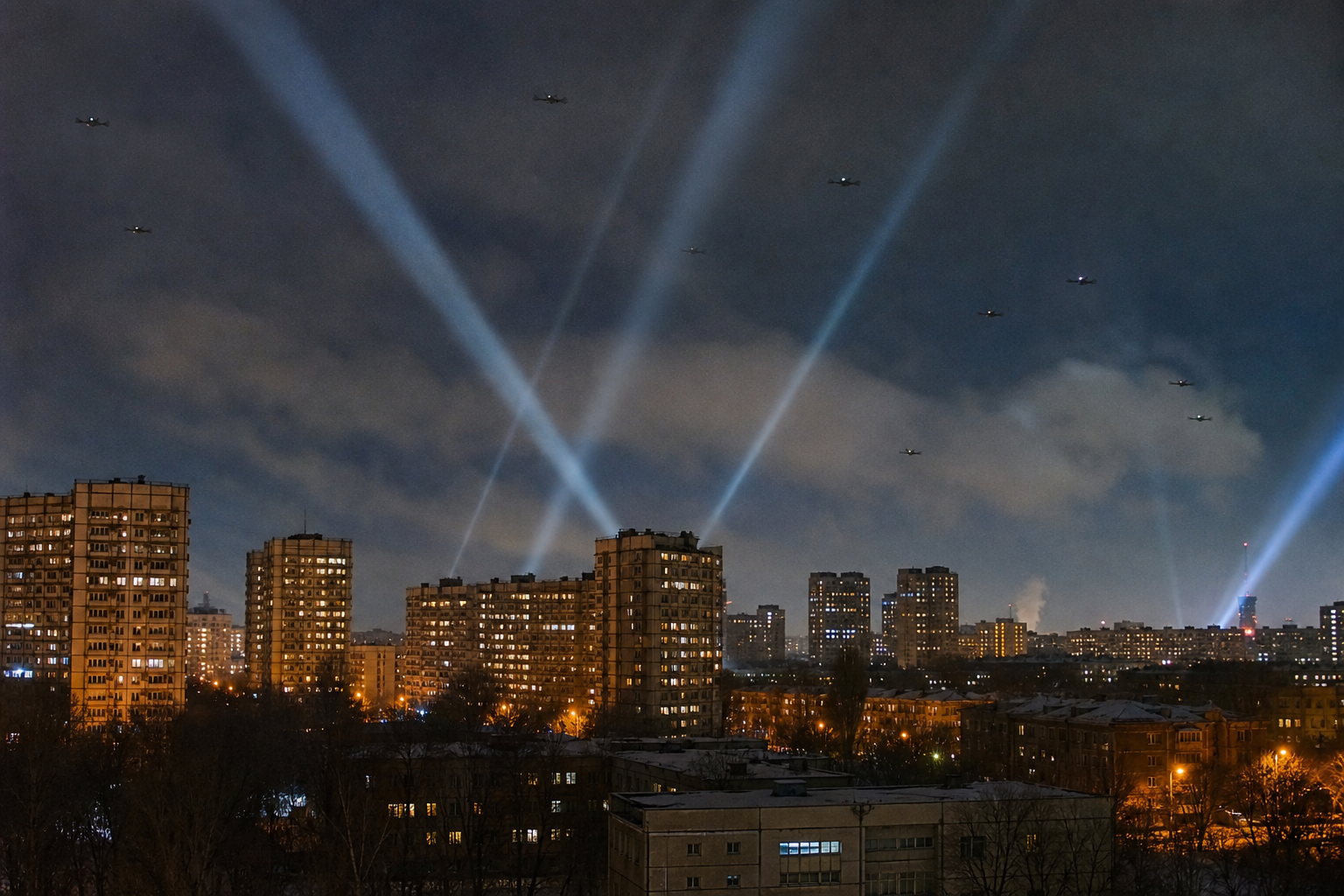
Ukrainian long-range drones struck residential buildings in the Moscow region and a seaport in the Black Sea resort city of Sochi overnight into September 3, 2026, Russian officials and monitoring channels reported, even as Moscow’s own drone campaign against Kyiv entered its eighth consecutive day.
Moscow Region Governor Andrei Vorobyov said a drone set fire to the eighth and ninth floors of an apartment building in Kubinka, about 60 kilometers west of the capital, forcing the evacuation of ten people with no casualties reported. Kubinka hosts a major Russian military airfield used by the Russian Knights and Swifts aerobatic teams and sits near Patriot Park. A second residential hit blew out windows on 1 Maya Street in Pavlovsky Posad, east of Moscow; residents were evacuated. Vorobyov also reported a factory fire in Bolshoye Bunkovo, Bogorodsky District, without identifying the facility.
Russian air-defense claims were large and unverified. Officials said 56 drones were destroyed over the Moscow region overnight; Moscow Mayor Sergei Sobyanin reported dozens more flying toward the capital. Combined public claims put at least 94 drones shot down since midnight. Farther south, monitoring channels circulated footage appearing to show a fire at Sochi’s seaport; neither the Krasnodar Krai governor nor Sochi’s mayor had publicly confirmed the attack in early reporting.
The timing is deliberate politics as much as targeting. Ukraine has steadily expanded deep strikes against military, industrial, and energy nodes inside Russia, arguing that rear-area pressure is required to degrade Moscow’s capacity to wage war. Hitting apartment blocks near a military airfield and a Black Sea port used for logistics and prestige tourism forces the Kremlin to spend air-defense magazines far from the front while explaining civilian disruption at home.
Those Ukrainian flights landed while Russia continued a sustained drone assault on Kyiv and the surrounding region that began around August 27. For more than a week, large waves have driven repeated air-raid alerts, sheltering, and disruptions to transport, schools, and commerce — a campaign that increasingly looks designed to exhaust urban life, not only to destroy individual buildings.
The exchange illustrates the war’s new geometry: both sides can reach each other’s political and economic centers with cheap massed drones, yet neither can translate that reach into decisive battlefield closure. For Kyiv, deep strikes are a signal of agency under resource constraints. For Moscow, the Kyiv blitz is punishment and tempo. For civilians on both ends of the corridor, September 3 looked like the same war with longer flight times.