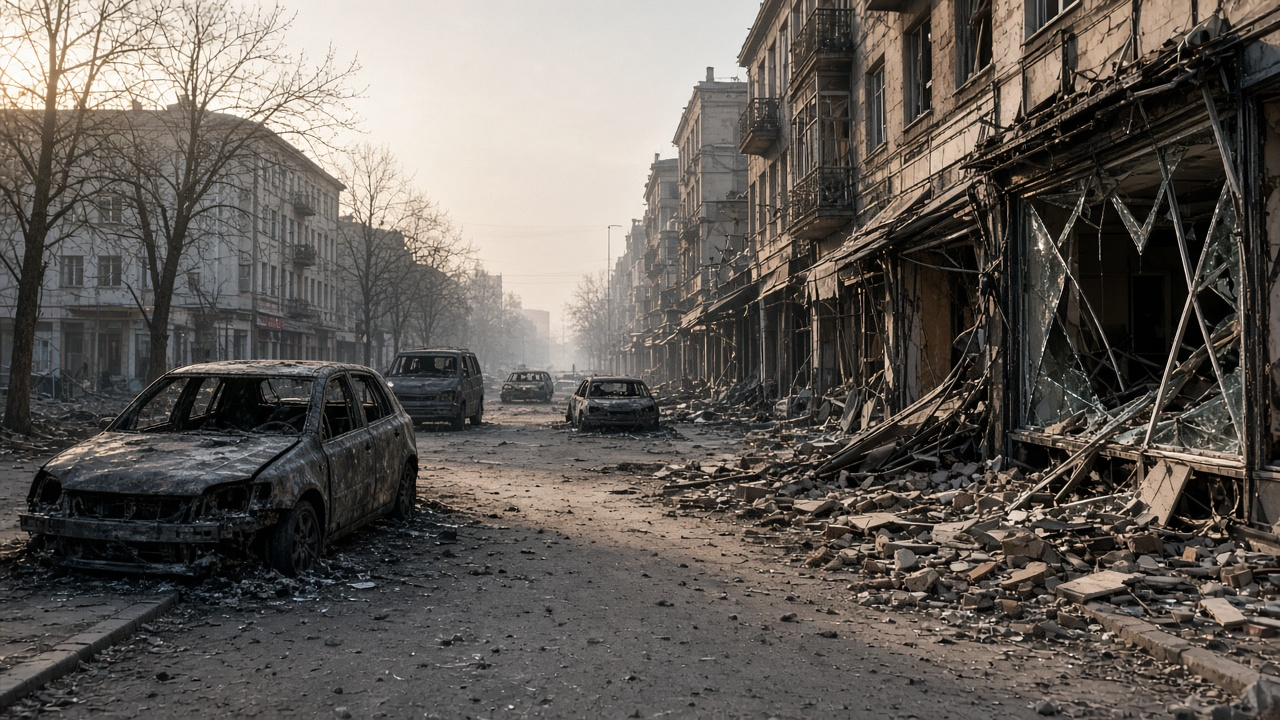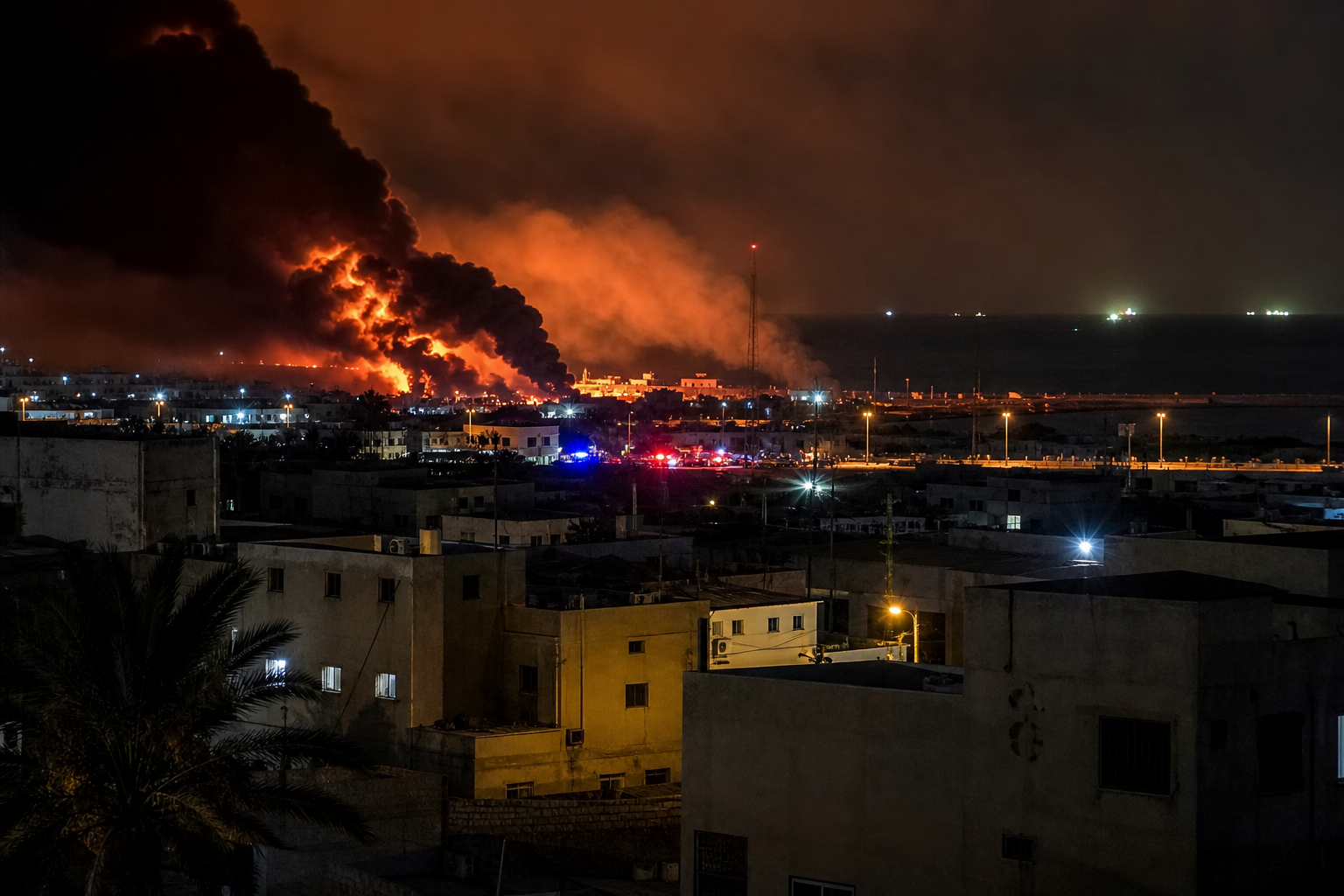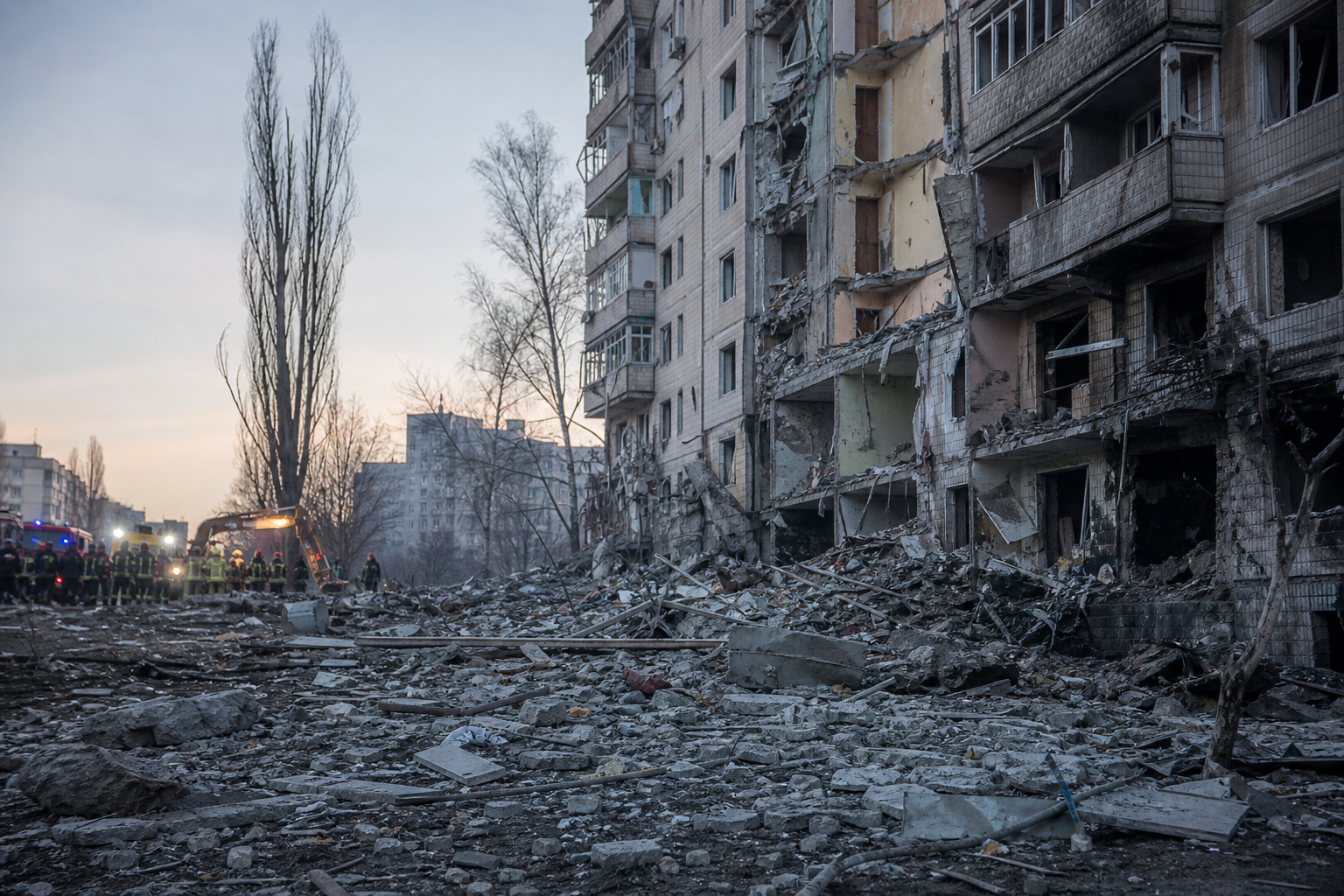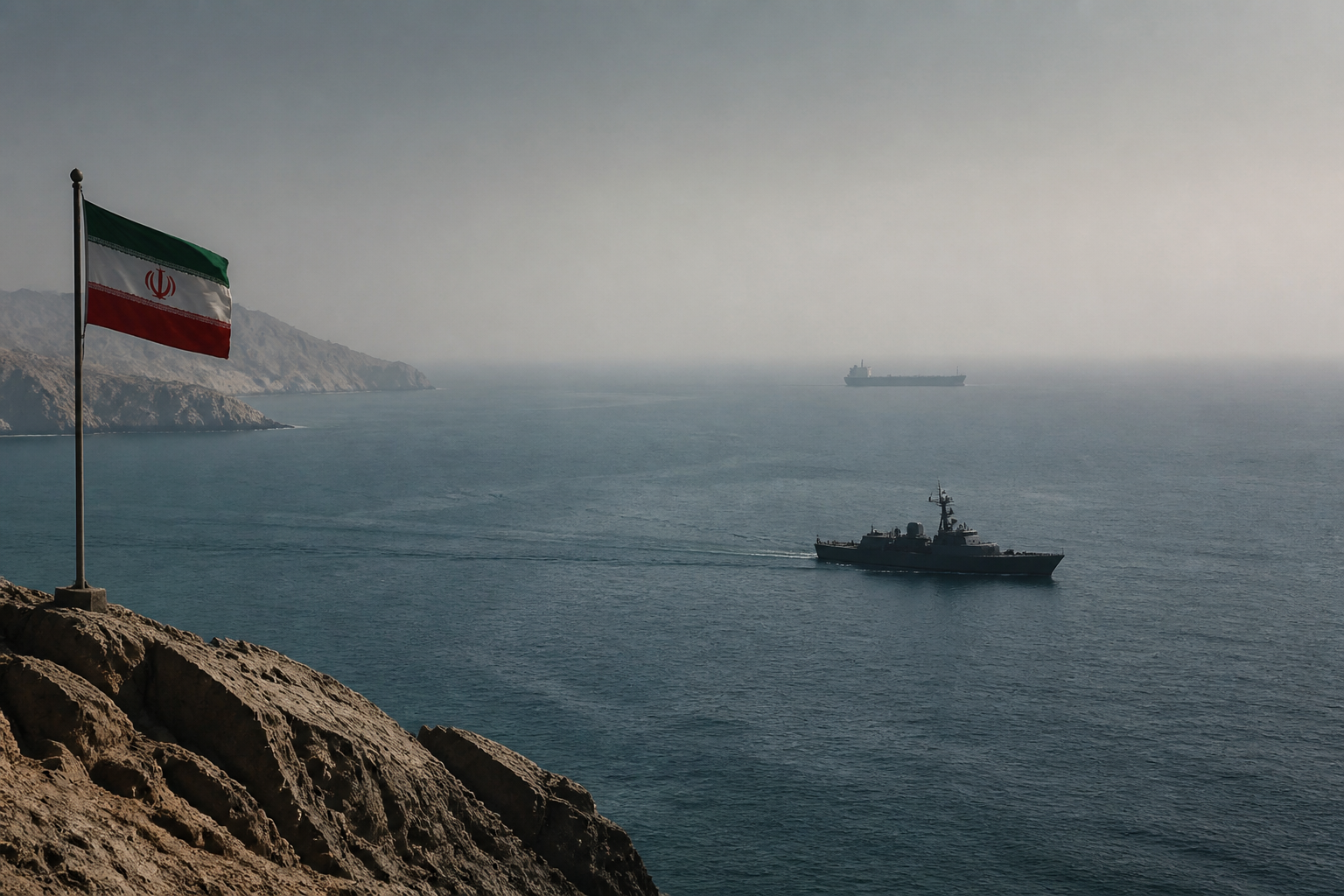
The Strait of Hormuz is still physically navigable and commercially broken. As U.S. and Iranian forces traded fresh blows in early September 2026, the world’s most important oil chokepoint continued to operate at a fraction of peacetime traffic, keeping a war premium embedded in energy markets.
Before the current conflict, more than 100 vessels a day typically moved through the 21-mile waterway that handles about one-fifth of global seaborne oil. Tracking and maritime reporting since Iran’s spring closure declarations have shown traffic collapsing toward single-digit daily counts — often around five visible commodity vessels — with tanker movements especially scarce. U.S. statements that international lanes have been cleared of mines have not restored commercial confidence. Iran continues to assert control over passage and to challenge ships it says transit without permission.
Late August maritime reports documented continued harassment and attacks. UK Maritime Trade Operations and related centers logged security incidents against tankers in and near the strait, including projectile strikes with no crew casualties in some cases, plus persistent IRGC small-craft activity, UAV surveillance, and VHF hailing. Mine danger areas remain part of the operating picture even when lanes are declared swept.
Markets have priced this as a long disruption rather than a one-day shock. Brent crude pushed back above the low-$90s around the latest escalation, reflecting renewed supply risk without requiring a total physical shutdown of Gulf production. Analysts have noted that several million barrels a day of normal Gulf export flows remain disrupted relative to pre-war baselines, with shippers resorting to workarounds such as ship-to-ship transfers outside the strait and selective AIS dark running.
That is why Hormuz remains Tehran’s strongest coercive tool. Even imperfect control — permission regimes, intermittent attacks, insurance panic — can suppress traffic enough to move oil prices and political calendars in Washington, Beijing, New Delhi, and European capitals. For the United States, declaring the strait “open” is not the same as making it commercially usable. For Iran, keeping the strait frightening is leverage in any negotiation over sanctions, basing, and ceasefire terms.
The latest U.S. strikes on Iranian maritime and air-defense assets, and Iran’s retaliatory fires across the Gulf, reinforce the same strategic fact: until underwriters, owners, and charterers believe the waterway is quiet for long enough to reprice war risk, Hormuz will function less as a trade artery and more as a pressure valve on the global economy.