MPs Reject Assisted Dying Bill 286-270: What Happens Next
On Sept. 11 the House of Commons voted 286 to 270 against the Terminally Ill Adults (End of Life) Bill. What it proposed, how MPs voted and what could follow.
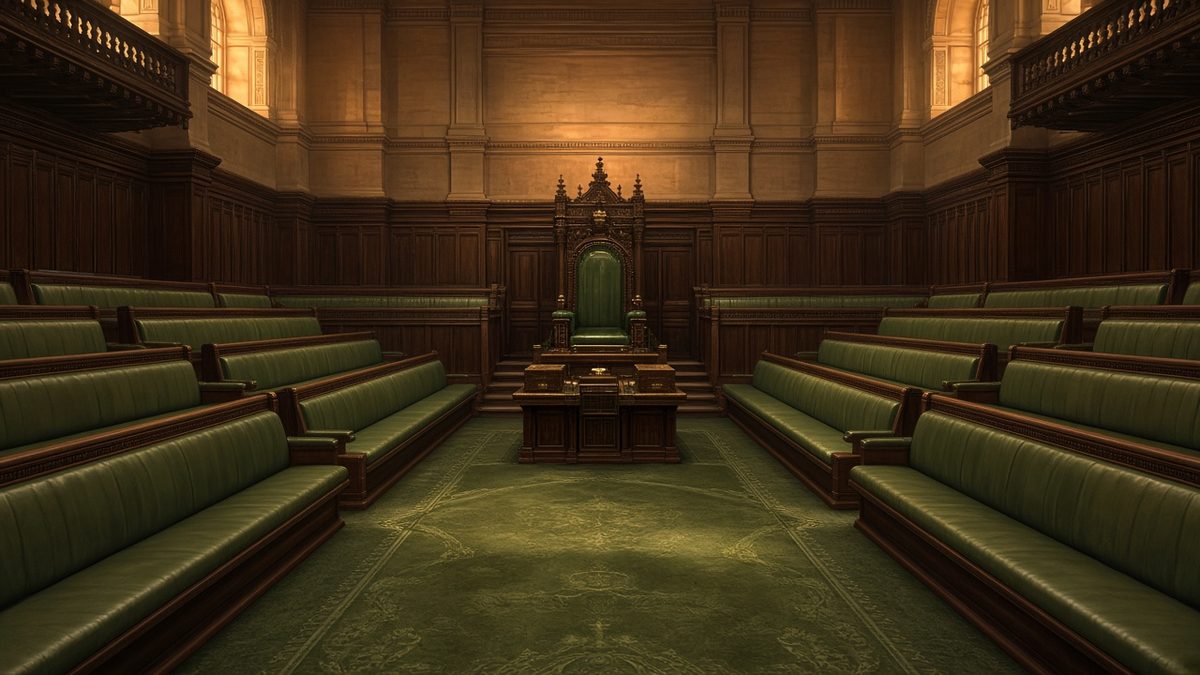
The House of Commons voted 286 to 270, a majority of 16, on 11 September against the Terminally Ill Adults (End of Life) Bill, ending the latest attempt to legalise assisted dying in England and Wales, BBC News reports. It was a vote at “second reading,” the stage at which MPs decide whether to accept a bill’s principles. The bill, brought by Labour MP Lauren Edwards, will make no further progress in this parliamentary session. MPs had a free vote, meaning parties did not tell them how to vote.
At a glance
- Bill: Terminally Ill Adults (End of Life) Bill, a private member’s bill (one brought by a backbencher rather than the government) sponsored by Lauren Edwards, MP for Rochester and Strood (bills.parliament.uk).
- Vote: rejected 286-270 at second reading, 11 Sept. A previous bill passed the Commons 330-275 at second reading and 314-291 at third reading in 2025, Politics.co.uk reports.
- What next: the bill is finished for this session. MPs and peers could try again in the next, according to the BBC.
What the bill would have done
The bill’s long title says it would allow terminally ill adults, “subject to safeguards and protections,” to request and be given assistance to end their own life. The Independent reports it would have applied to adults in England and Wales with fewer than six months to live, who would need approval from two doctors and an expert panel. The government stayed neutral.
Where it stands
- 2025: an earlier bill by Labour MP Kim Leadbeater clears the Commons, 330-275 at second reading and 314-291 at third reading, Politics.co.uk reports.
- April 2026: that bill runs out of time in the House of Lords, where peers tabled more than 1,200 amendments, the BBC reports. Supporters called this a “denial of democracy,” the Independent notes.
- 2026-27 session (opened 13 May): Edwards brings the bill back after placing second in the private members’ ballot, Politics.co.uk reports.
- 11 Sept: MPs reject it 286-270 after a debate of around four hours, according to the Independent.
Edwards had said supporters would accept no amendments in the Commons, to keep open the option of using the Parliament Acts, which can force a bill through the Lords when the Commons passes it in two successive sessions, Politics.co.uk reports. That route is now closed for this bill.
What supporters and critics say
Edwards said: “Parliament has dropped the ball today. It will be picked up again as it must be, because the law as it stands is simply too cruel and too unjust to be allowed to stand.” Dame Esther Rantzen, who is terminally ill, called it “a tragic day.” Sarah Wootton of Dignity in Dying said she still believed change was “inevitable.” Lord Blunkett, a Labour peer, told BBC Newsnight it was a “bad day for democracy.”
Labour MPs Ashley Dalton, Dame Meg Hillier and Jess Asato, who opposed the bill, described it as “unsafe and unworkable” and said the NHS and palliative care (care that eases symptoms) must be fixed first. Dalton, who has incurable breast cancer, told MPs the bill lacked support for the transition and any psychological assessment beyond mental capacity, the Independent reports. Opposition also came from Archbishop Richard Moth, who called the bill “wrong in principle” and “deeply flawed,” and from the Royal College of Psychiatrists, which raised “serious concerns,” according to the Independent. Care Not Killing’s Gordon Macdonald called the vote “decisive.”
Analysis: the margin shifted from a 23-vote majority for the last bill at third reading to a 16-vote defeat. The BBC reports Labour MP Janet Daby switched from yes to no. Reports reviewed do not say how many MPs changed sides overall.
What happens next
The bill cannot return this session. Leadbeater told the BBC another attempt could come as soon as next year, and Blunkett said the issue would re-emerge in “a year or two’s time.” Any new bill would start from the beginning. Hospice UK’s Toby Porter said supporters and opponents should now focus on what he called a “hospice funding crisis.” Prime Minister Andy Burnham did not vote, saying he did not want to “unduly influence the debate,” the Independent reports.
Related coverage
- Legislation Tracker: US Congress and UK Parliament
- Representation of the People Bill: Votes at 16 and Donations
- UK Immigration and Asylum Bill: What MPs Are Weighing
Sources
- BBC News, MPs vote against fresh attempt to legalise assisted dying, 11 Sept. 2026.
- The Independent, Assisted dying will not become law after MPs vote down bill, 11 Sept. 2026.
- Politics.co.uk, How every MP voted on the assisted dying bill, 11 Sept. 2026.
- UK Parliament, Terminally Ill Adults (End of Life) Bill and Commons division 2428.