Lebanon’s Salam Demands Full Israeli Withdrawal, One Army
In Nabatieh, Prime Minister Nawaf Salam says Beirut cannot wait for a regional deal and must secure a full pullout plus a single state chain of command.
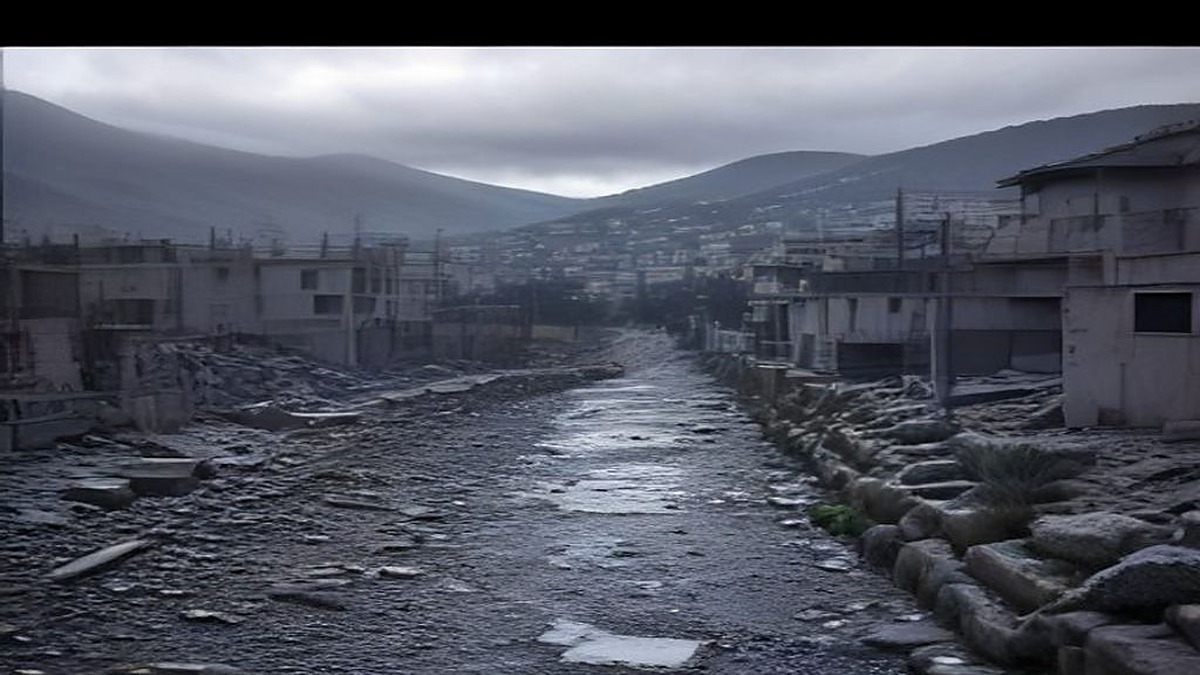
NABATIEH, Lebanon — Lebanese Prime Minister Nawaf Salam on October 2 called for a full Israeli withdrawal from Lebanese territory and a state with “one army and one decision-making” authority, arguing Beirut cannot wait for a broader Middle East settlement that may never arrive or may come at Lebanon’s expense.
Speaking at a news conference during a visit to the southern city of Nabatieh, Salam said the “real way forward” is to mobilize resources and support to achieve a complete Israeli pullout and rebuild an effective state. That approach, he said, would help spare Lebanon from new wars and remove pretexts for expanding the current campaign. Immediate priorities, he listed, are stopping Israeli attacks, securing withdrawal, allowing displaced residents to return safely, and restoring livelihoods in the south.
Framework without quiet
On June 26, Beirut and Tel Aviv signed a U.S.-sponsored “framework formula” in Washington that provided for a gradual Israeli withdrawal and deployment of the Lebanese army into vacated areas. Salam’s remarks underscore how little quiet that framework has produced. Lebanese authorities say Israeli operations since March 2 have killed at least 4,386 people, injured 12,413 and displaced more than one million, according to Anadolu Agency’s October 2 report.
Lebanon’s National News Agency has continued to report airstrikes, home demolitions, artillery and machine-gun fire across southern districts even as the framework remains on paper. Towns named in recent NNA dispatches have included Al-Mansouri and Majdal Zoun in Tyre district, Nabatieh-area heights, and Haddatha in Bint Jbeil—illustrating a pattern of localized kinetic pressure rather than a clean handoff to Lebanese state forces.
One army, contested south
Salam’s “one army” language is aimed as much at domestic politics as at Israel. Washington and Israel have pressed Beirut for faster Hezbollah disarmament and army deployment south of the Litani; Lebanese officials reply that occupation and daily strikes undercut any monopoly on force. Peter’s World previously covered U.S. warnings that Lebanese disarmament steps were “not enough,” and Israel’s claim of hitting more than 500 targets in Lebanon and Gaza over a recent month.
By traveling to Nabatieh—deep in the conflict zone rather than speaking only from Beirut—Salam sought to tie state legitimacy to southern communities still absorbing displacement and intermittent fire. He warned that waiting for a regional bargain covering Iran, Gaza and the Red Sea could leave Lebanon sidelined: such a settlement “may come or may not come, or it could be delayed for years, and if it happens, it may come at our expense.”
Diplomatic track under fire
The October 2 message does not announce a new negotiation format. It does redefine success metrics for the June framework: full withdrawal and a single chain of command, not merely partial redeployments or temporary calm. For mediators in Washington, Paris and Doha, Salam’s visit raises a practical question—whether Israel will accept a timeline for vacating remaining positions while Hezbollah retains rockets and local networks, or whether Beirut’s insistence on sequencing withdrawal first will keep the south in a gray zone of framework without ceasefire.
Sources
- Anadolu: Salam calls for full Israeli withdrawal, one army
- Anadolu/NNA context via Ona Quiet Day: continued south Lebanon attacks Oct 2