US Sends Third Carrier Group Toward Iran Ahead of Midterms
Theodore Roosevelt and Makin Island MEU leave San Diego; officials say three carriers and two amphibious groups may mass near Iran by late November.
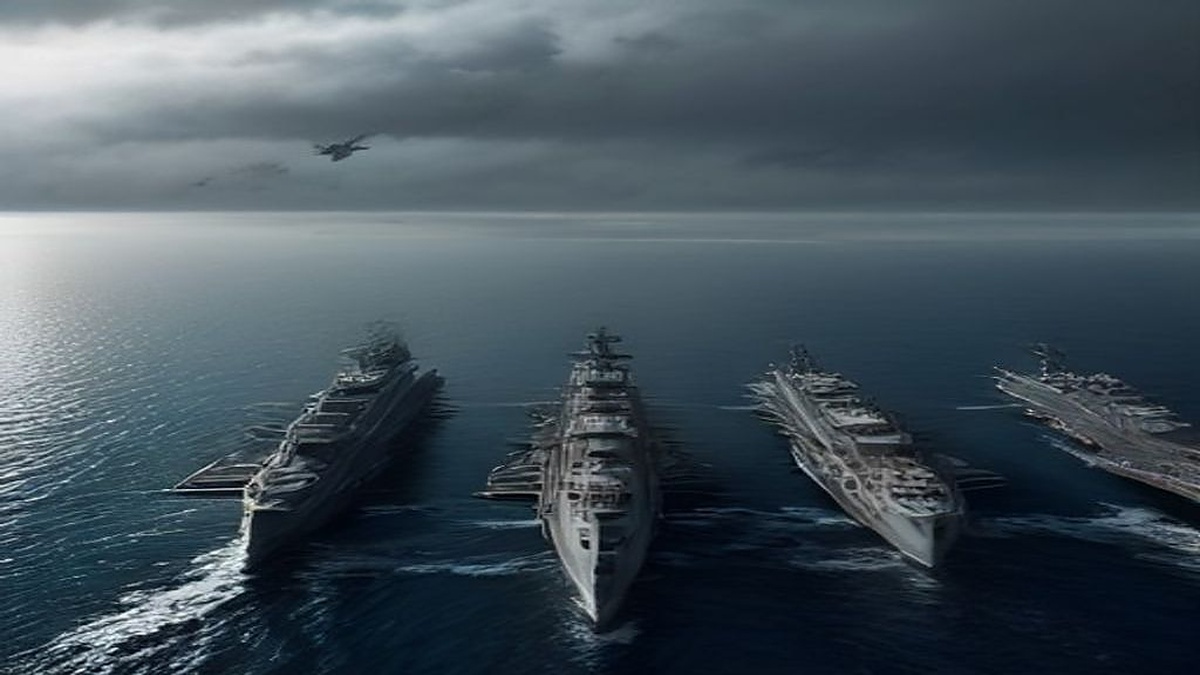
WASHINGTON — The United States is sending a third aircraft carrier strike group toward waters near Iran, a U.S. official told Al Jazeera on October 2, as President Donald Trump signals he may resume large-scale strikes after the November midterm elections and diplomacy over the Strait of Hormuz remains stalled.
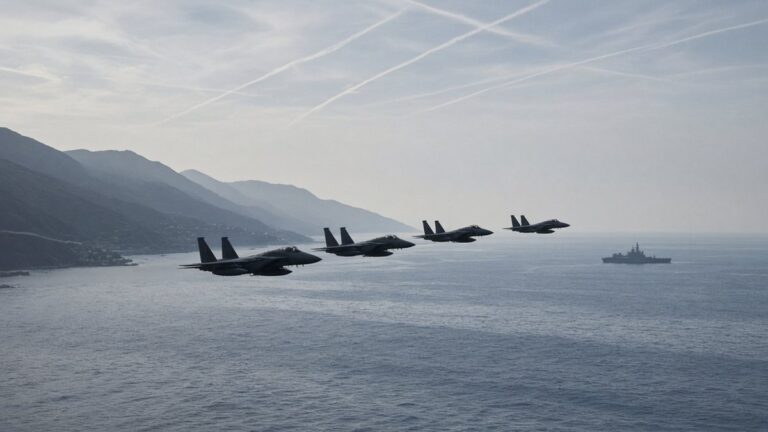
The USS Theodore Roosevelt carrier strike group left San Diego on Sunday, followed a day later by the Makin Island Marine Expeditionary Unit carrying more than 2,000 Marines, the official said. The Wall Street Journal, cited by CNBC and Al Jazeera, reported that the naval package could involve roughly 9,000 to 10,000 additional sailors and Marines. By the end of November, three carriers and two amphibious landing groups are expected to be positioned near Iran, giving Trump a wider menu of options if he orders new attacks.
Force already in theater
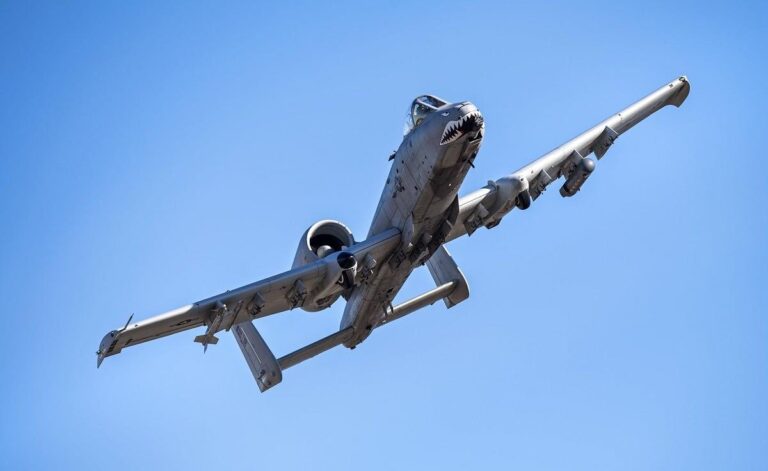
Al Jazeera’s Washington reporting said the new deployment—including F-35 fighters—would add to roughly 50,000 U.S. service members already in the Middle East. Defense Secretary Pete Hegseth has said forces are “ready to go” should the White House order renewed strikes. Pentagon sources quoted by Al Jazeera said Washington intends to keep military options on the table even if a diplomatic track reopens, and is not planning an immediate drawdown if a deal appears.
The buildup comes as the U.S.-Iran war, which began with U.S.-Israeli strikes in late February, enters its eighth month. An April ceasefire paused the most intense phase, but hostilities and economic pressure have continued. Indirect talks mediated by Qatar on the sidelines of the U.N. General Assembly failed to break a deadlock over sequencing: Tehran offered a seven-day roadmap to reopen Hormuz and resume nuclear talks in exchange for ending the U.S. naval blockade, sanctions relief and a regional ceasefire covering Lebanon and Yemen. Trump rejected that package.
Midterms, sanctions and New York rebuke
In a Time magazine interview published Thursday, Trump said it was “possible” he could ramp up bombing after the midterms, declining to specify targets. Speaking Thursday in Denton, Texas, he warned Iran the confrontation would end “very soon” and said Tehran would either act “very proper and smart” or “won’t be around very long,” while questioning whether Iran would honor any deal.
CNBC reported that Secretary of State Marco Rubio ordered Iranian Foreign Minister Abbas Araghchi’s delegation to leave New York earlier than planned after the Qatari-mediated talks collapsed—an unusual diplomatic rebuke. Treasury, meanwhile, widened sanctions on Iran’s auto and rail sectors under Operation Economic Outcast, a parallel economic track Peter’s World covers separately.
Escalation risk versus bargaining chip
Analysts split on whether the third carrier is a prelude to post-election strikes or leverage for a tougher bargain. What is concrete is the calendar: Roosevelt and Makin Island are already at sea, November is the stated window for a fuller concentration of carriers and amphibious groups, and Hormuz energy flows remain constrained while oil prices stay above pre-war levels. For Gulf partners and European importers, the next six weeks are less about rhetorical threats—already familiar from October 1 coverage—and more about whether Washington chooses to use the massed naval aviation now steaming west.
Sources
- Al Jazeera: Third carrier, 10,000 troops near Iran
- CNBC: Third carrier group as Trump warns of new strikes